 Kerala Backwaters Escape
Destination
Trichy, officially Tiruchirappalli, sits on the banks of the Kaveri River in the middle of Tamil Nadu. A huge granite outcrop rises straight out of the old town, with a temple on its summit, and just across the river lies Srirangam, an island town built around one of the largest functioning Hindu temple complexes in the world. Few cities in India give you this much history within a fifteen-minute drive.
The city has been important for a very long time. The early Cholas ruled from nearby Uraiyur more than two thousand years ago, and later the Pallavas, Pandyas, Vijayanagara kings, Nayaks, and British all left their mark here. Today Trichy is a busy, practical university and industrial city, but its old quarters around the Rock Fort and the temple streets of Srirangam still follow a rhythm set by festivals, temple bells, and the river.
For international travelers, Trichy works best as a two-night stop on a Tamil Nadu temple tour. It sits almost exactly between Thanjavur, Chettinad, and Madurai, and it has its own international airport with flights to Singapore, Kuala Lumpur, Colombo, and the Gulf. That makes Trichy tourism an easy fit for both the start of a southern trip and the middle of a longer South India private tour.
Srirangam Ranganathaswamy Temple, Rock Fort, Jambukeswarar Temple, Kallanai Dam, Lourdes Church
October – March
Cooler days for temple visits
2 Days
Add a day trip to Thanjavur or Gangaikonda Cholapuram
Tamil, English
Guides and hotel staff speak good English
Because Srirangam is the main draw, it's worth planning your visit properly:
Trichy food is classic Tamil cooking, with a strong vegetarian tradition shaped by the temple towns. Around Srirangam, look for puliyodharai (tamarind rice), sakkarai pongal (sweet rice with jaggery and ghee), and ven pongal, simple dishes once prepared as temple offerings. For breakfast, almost every eatery serves fluffy idli, crisp dosa, and medu vada with sambar and three or four chutneys. Try adai, a thick lentil pancake usually eaten with avial or jaggery. Non-vegetarian travelers can find Chettinad-style chicken and good biryani in the city, since Chettinad is only a couple of hours away. Finish every meal with filter coffee. Trichy is not a fine-dining city, so the best meals tend to be in clean, busy vegetarian restaurants and in hotel restaurants.
Read More +Like what you see? Let's plan it for you.
Private car, driver and hotels arranged around your dates. Reply within 24 hours.
Trichy (Tiruchirappalli)
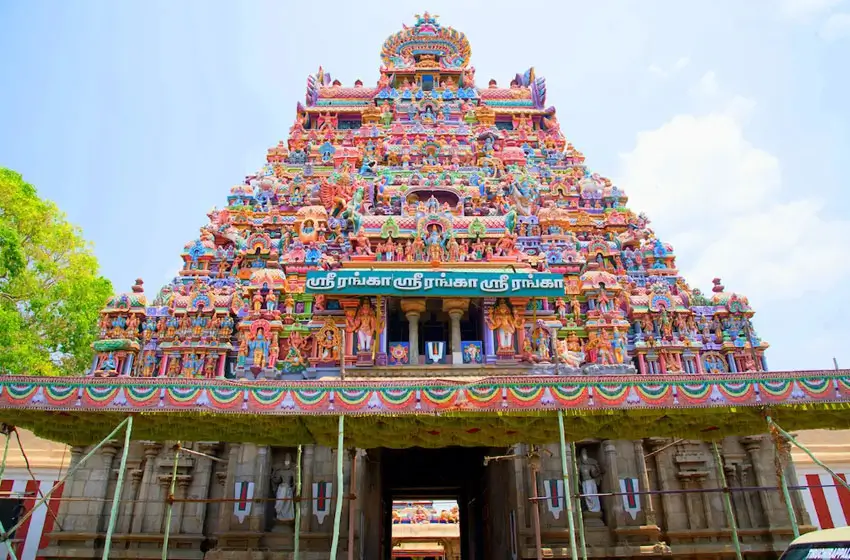
The Sri Ranganathaswamy Temple in Srirangam is the reason most visitors come to Trichy. Dedicated to Lord Vishnu, shown reclining on the serpent Adisesha as Ranganatha, it covers roughly 156 acres and is enclosed by seven concentric walls with 21 gopurams. The main southern tower, the Rajagopuram, stands about 236 feet (72 meters) tall and was only finished in 1987, centuries after work on it began. The outer enclosures are a living town, with homes, shops, and small eateries inside the temple walls. As you move inward, the mood becomes more formal. Highlights include the Hall of a Thousand Pillars, the carved horse-riders of the Sesharaya Mandapam, and the golden roof (vimana) over the main shrine, which you can see from a rooftop viewing point reached by stairs. Non-Hindus are welcome in most of the complex but cannot enter the inner sanctum. Hire a licensed guide at the entrance or bring your own, because the layout is confusing on a first visit and the stories behind each hall are half the experience.
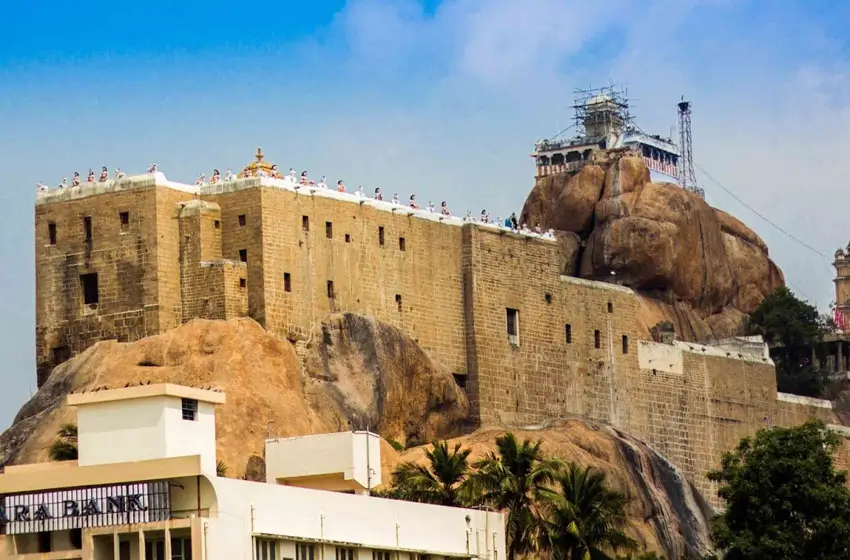
The Rock Fort is Trichy's landmark, a granite hill about 270 feet (83 meters) high that geologists count among the oldest rocks on the planet. A covered staircase of roughly 400 steps is cut into the rock and climbs past the Thayumanavar Temple, dedicated to Shiva, to the small Ucchi Pillayar Temple of Lord Ganesha at the very top. The climb is steady rather than difficult, and much of it is shaded. From the summit you get the best view in the city: the Kaveri River, the towers of Srirangam in the distance, and the crowded rooftops of the old town below. Shoes must be left at the bottom, so go early in the morning or late in the afternoon, when the stone is not hot underfoot. Look for the Pallava-era rock-cut cave temples on the lower slopes, which many visitors walk right past.
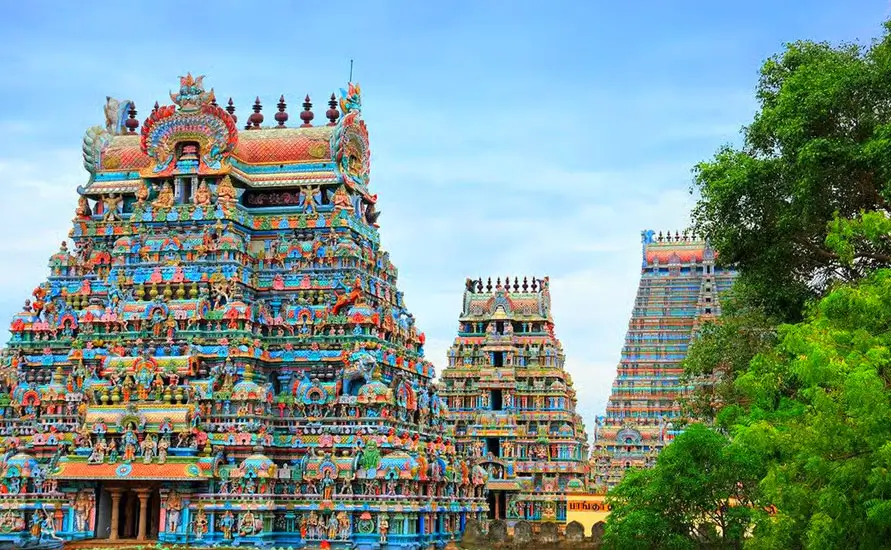
A short drive from Srirangam, the Jambukeswarar Temple at Thiruvanaikaval is one of the five great Shiva temples of South India, each linked to one of the elements. This one represents water. The main lingam sits in a low chamber over an underground spring, and water seeps up around it, especially after the monsoon. The temple was largely built by the Chola kings and later expanded, and its long corridors and carved pillars are calmer and less crowded than those at Srirangam. If you have time for only two temples in Trichy, make this the second.
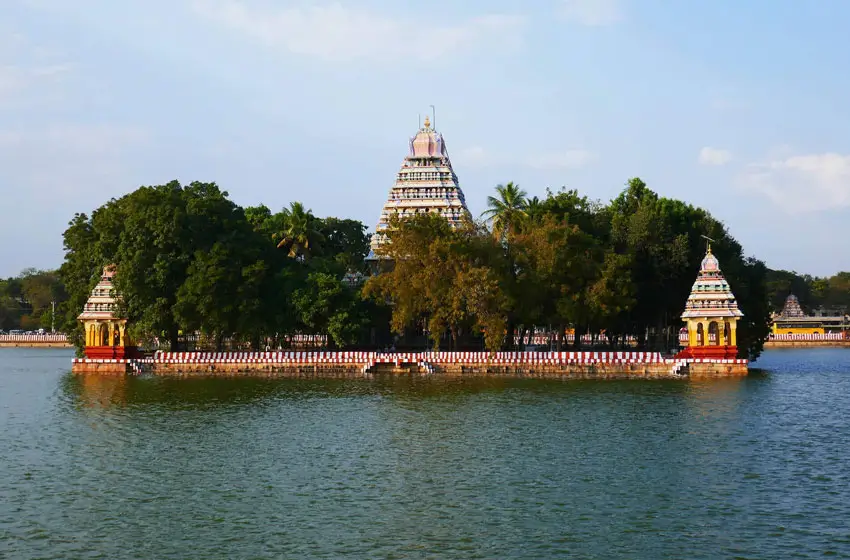
At the foot of the Rock Fort lies Teppakulam, a large temple tank surrounded by a walkway, and around it the oldest shopping streets of Trichy. NSB Road, Big Bazaar Street, and China Bazaar are packed with silk and cotton shops, jewelers, brass and steel vendors, and snack stalls. It's crowded and noisy, especially in the evening, but walking these lanes with a guide gives you a good sense of how a Tamil market town works. Combine it with your climb up the Rock Fort.
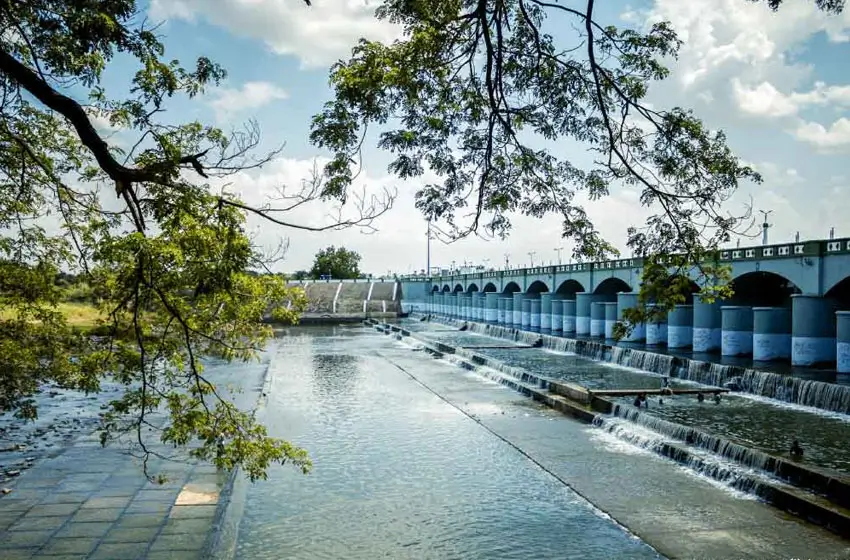
About 15 miles (24 km) east of the city, Kallanai, also called the Grand Anicut, is a stone dam across the Kaveri built by the Chola king Karikala around the 2nd century CE. It is often described as one of the oldest water-management structures in the world still in use. The original stone core has been strengthened and covered by later British-era work, so what you see today looks fairly modern, but the setting is pleasant, with a riverside park and farmland all around. It fits neatly on the drive between Trichy and Thanjavur.
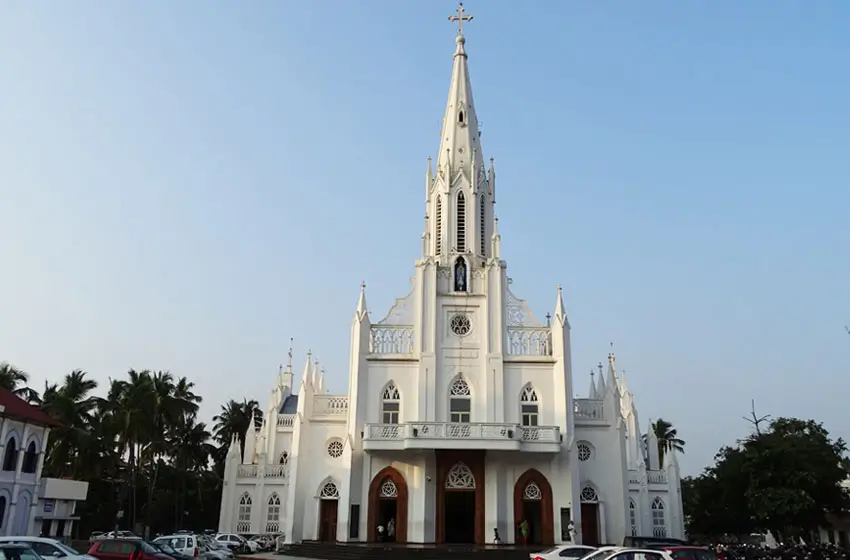
Built in the 1840s, Our Lady of Lourdes Church stands close to the Teppakulam and is easy to spot thanks to its tall Gothic spire. Its design was inspired by the Basilica of Lourdes in France, and the interior is bright and simple. The church shows the long history of Christian communities in this part of Tamil Nadu, and it's a quiet spot to sit for a few minutes after the market streets.
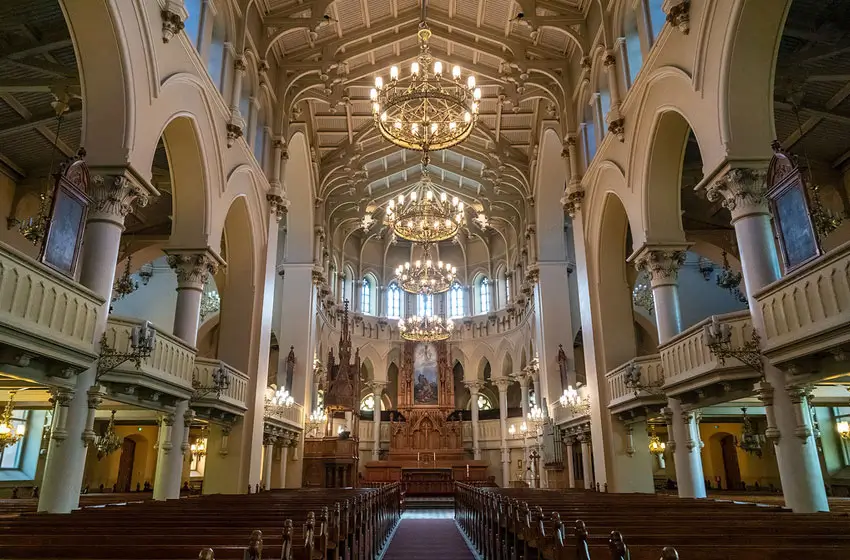
Trichy was an important British military station, and the leafy Cantonment area still has colonial bungalows, old clubs, and St. John's Church, consecrated in the 1810s. The churchyard holds graves of British officers and families. It's not a major sight, but it's interesting for anyone curious about the colonial chapter of the city, and many of Trichy's better hotels are in this part of town.
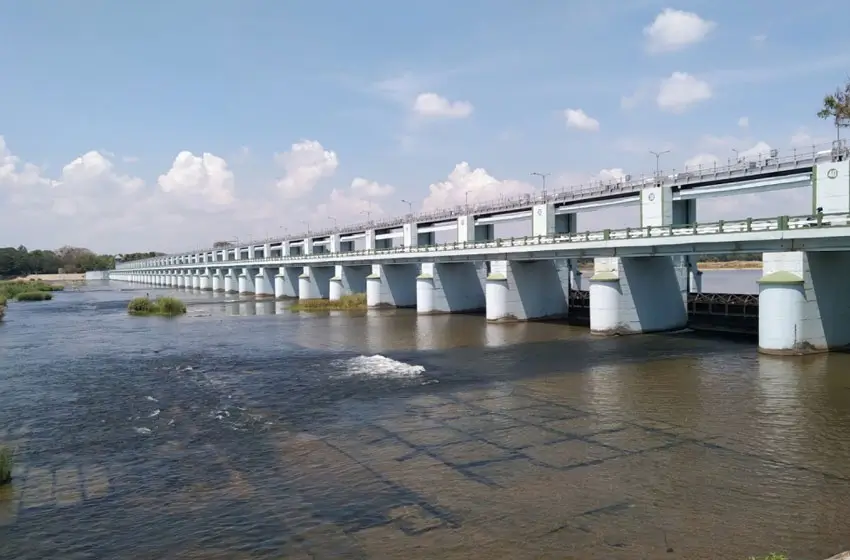
Mukkombu, about 11 miles (18 km) west of the city, is where the Kaveri splits into two branches, the Kaveri and the Kollidam, which wrap around Srirangam island. A 19th-century regulator built by British engineer Arthur Cotton controls the flow, and the surrounding park is a popular picnic spot for local families on weekends. It's a nice half-hour stop if you enjoy rivers and rural scenery.
Like what you see? Let's plan it for you.
Private car, driver and hotels arranged around your dates. Reply within 24 hours.
Getting there
Trichy is well connected by air, rail, and road, and sits in the center of Tamil Nadu.
Tiruchirappalli International Airport, with flights to Chennai, Bangalore, Singapore, Kuala Lumpur, Colombo, and the Gulf
Tiruchirappalli Junction, with fast daily trains to Chennai, Madurai, Thanjavur, and Bangalore
About 5.5 hours from Chennai, 2.5 hours from Madurai, and 1.5 hours from Thanjavur by good highways
Tours that include Trichy (Tiruchirappalli)
Explore more
Kerala Backwaters Escape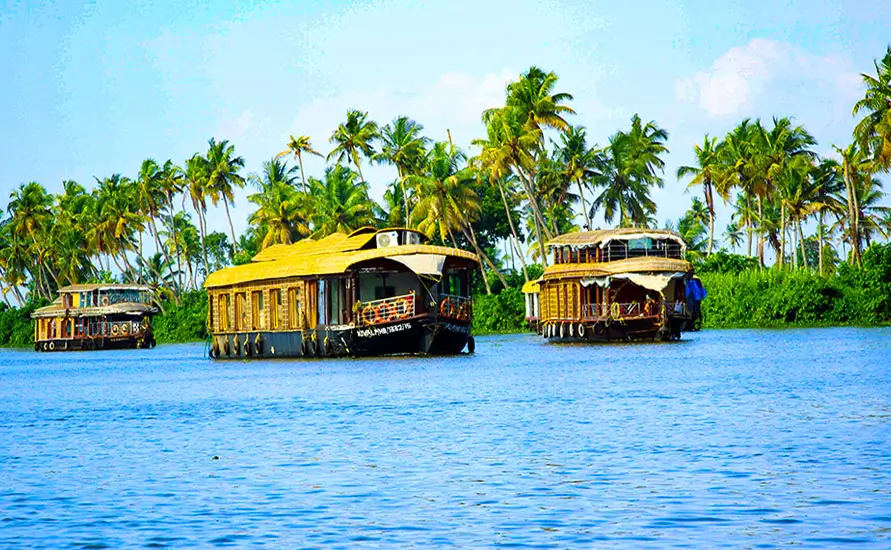 Kerala Backwaters Escape
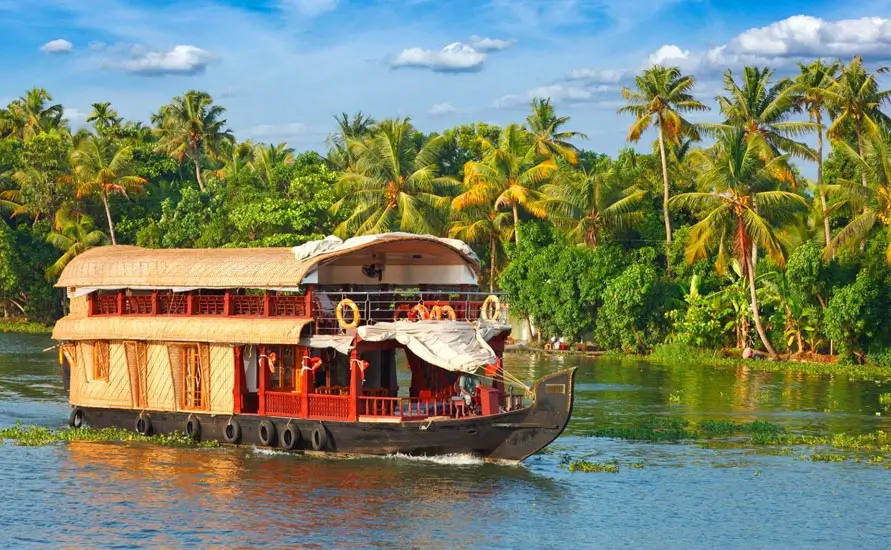 Kerala Backwaters Escape
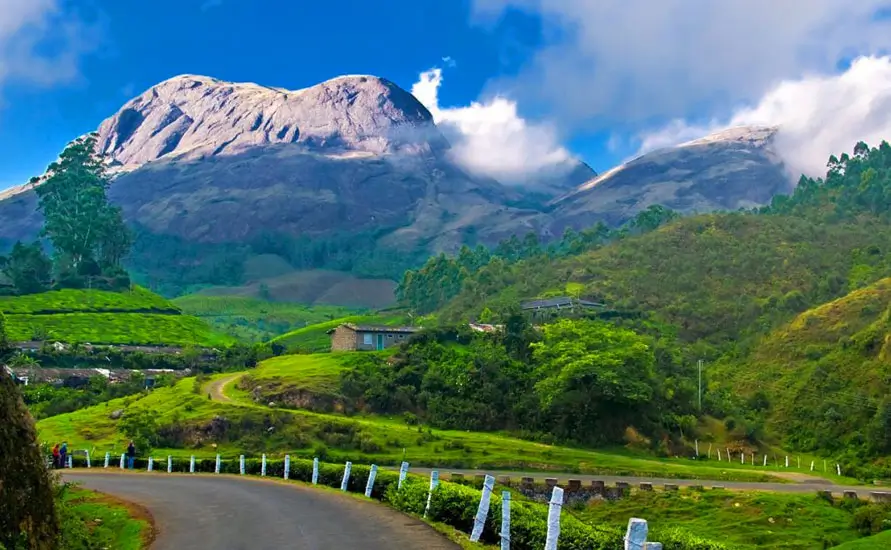 Kerala Backwaters Escape
 Kerala Backwaters Escape
N.S. Rathore & Mrs. Omlata Rathore · Managing Director
We still read every enquiry ourselves. Tell us the places you liked and our planners will send a day-by-day route with drive times and a clear price.
No ready-made packages and no pressure to book. A planner from our Kochi office replies within 24 hours with a route written for your group.
Fill this in and your planner will send a first draft itinerary.