 Kerala Backwaters Escape
Destination
Carved into granite boulders on the edge of the Bay of Bengal, Mahabalipuram (also written Mamallapuram) is a small seaside town with some of the oldest stone temples in South India. Between the 7th and 8th centuries, the Pallava kings turned this port into an open-air workshop, cutting shrines, caves, and huge relief panels straight out of the rock. Their work is now protected as the Group of Monuments at Mahabalipuram, a UNESCO World Heritage Site since 1984.
What surprises most first-time visitors is how compact and walkable it all is. The main monuments sit within a few miles of each other, so you can see the Shore Temple at sunrise, walk among carved cave temples by mid-morning, and still have the afternoon free for the beach or a seafood lunch. The town itself is laid-back, with guesthouses, rooftop restaurants, and dozens of sculptors' workshops where you can hear chisels ringing on stone all day long.
For anyone planning Mahabalipuram tourism as part of a South India trip, the town fits neatly between Chennai and Pondicherry along the East Coast Road. Many travelers see it on a day trip, but staying a night lets you watch the light change on the monuments in the early morning and evening, when the stone glows gold and the crowds thin out.
Shore Temple, Five Rathas, Arjuna's Penance, Krishna's Butter Ball, Varaha and Mahishasuramardini Caves, Tiger Cave
November – February
Sunny, dry days and cooler sea breezes
1–2 Days.
One full day covers the monuments; add a night for sunrise and the beach
Tamil, English.
English spoken at hotels, restaurants, and by licensed guides
As a fishing town, Mahabalipuram is all about seafood. Small beachside restaurants on Othavadai Street and Beach Road lay out the morning's catch on ice so you can pick your fish, prawns, or crab and choose how it's cooked: grilled with garlic butter, tandoori-style, or in a spicy Tamil curry. Fish fry coated in red chili masala is a local favorite. For vegetarians, simple restaurants serve South Indian meals on banana leaves and fresh dosas in the morning. Because the town has long been popular with backpackers, you'll also find wood-fired pizza, pasta, and good coffee in the guesthouse cafés. If you're eating seafood, choose busy places where food turns over quickly, and ask for it well cooked.
The obvious souvenir is stone sculpture. Prices depend on the stone (soapstone is softer and cheaper than granite), the size, and the detail, so look at several workshops before you buy and expect to bargain politely. Reputable shops can arrange packing and international shipping for heavier pieces; get the details in writing. Along the streets near the Shore Temple you'll also find stalls selling shell jewelry, cotton clothing, brass items, and small carved animals. The Poompuhar government store in town has fixed prices if you'd prefer not to haggle.
Read More +Like what you see? Let's plan it for you.
Private car, driver and hotels arranged around your dates. Reply within 24 hours.
Mahabalipuram
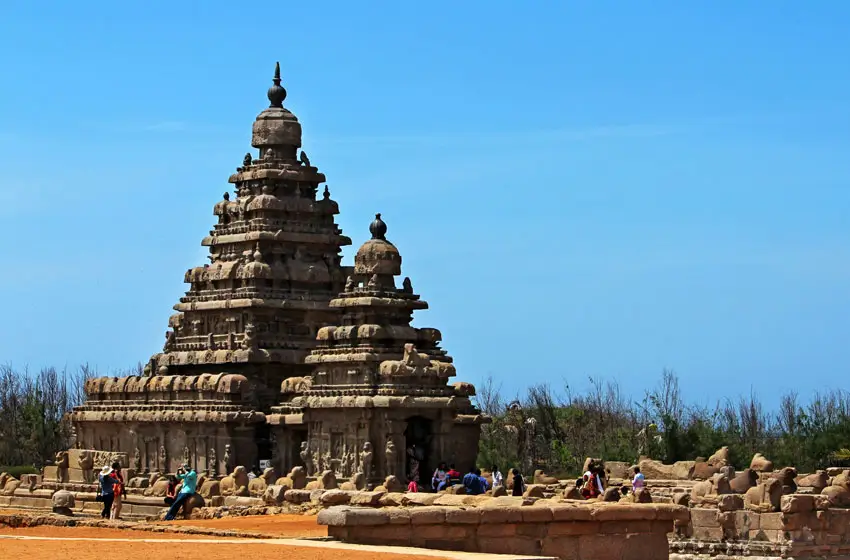
The Shore Temple is the picture most people have in mind when they think of Mahabalipuram. Built in the early 8th century under the Pallava king Rajasimha, it is one of the earliest structural stone temples in South India, meaning it was assembled from cut blocks rather than carved from a single rock. Two slender towers rise above shrines dedicated to Shiva, with a smaller shrine to Vishnu reclining between them. Rows of Nandi bulls line the compound walls, and centuries of salt wind have softened the carvings into gentle, rounded shapes. A protective breakwater now keeps the sea from reaching the temple. Come at opening time for the best light and the fewest people, and walk down to the beach behind it for the classic view of the towers against the water.
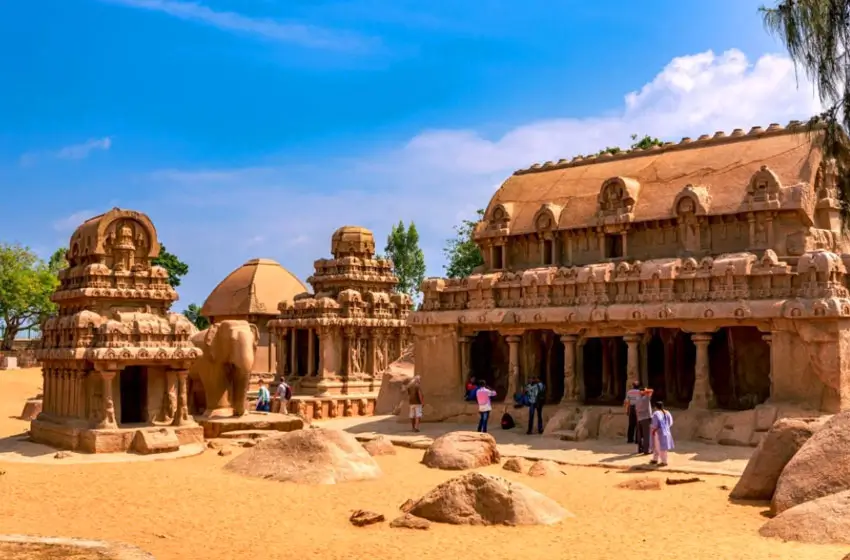
About a mile south of the town center, the Pancha Rathas, or Five Rathas, are five monolithic shrines each cut from a single granite outcrop. They are named after the five Pandava brothers and their wife Draupadi from the Mahabharata, though the names were given long after they were made. Each one shows a different style of roof, from a simple thatched-hut shape to a multi-tiered pyramid, and together they work like a stone catalog of early Dravidian temple design. Life-size carvings of an elephant, a lion, and a Nandi bull stand beside them. The shrines were never consecrated and were possibly left unfinished, which is part of their interest. The same entry ticket covers both the Shore Temple and the Five Rathas, so keep it handy.
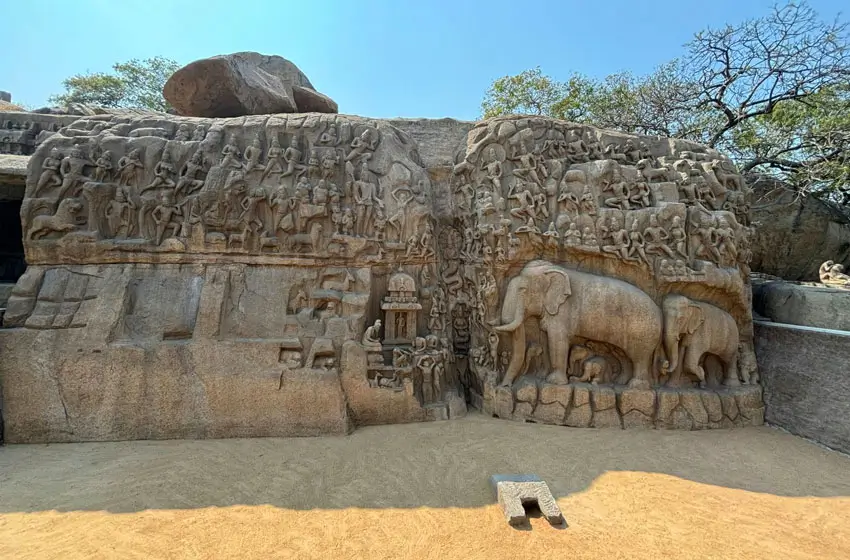
In the heart of town, Arjuna's Penance is one of the largest open-air rock reliefs in the world, carved across two huge boulders roughly 90 feet (about 27 meters) wide. Hundreds of figures fill the surface: gods, flying celestial beings, hunters, sages, monkeys, and a herd of life-size elephants. A natural cleft between the boulders represents a river, with serpent figures carved inside it, which is why many scholars call the panel the Descent of the Ganges. Others read it as Arjuna's penance to win a weapon from Shiva. Ask your guide to point out the small details, like the cat standing on one leg in mock prayer while mice gather at its feet. It's free to view from the street and looks best in the soft afternoon light.
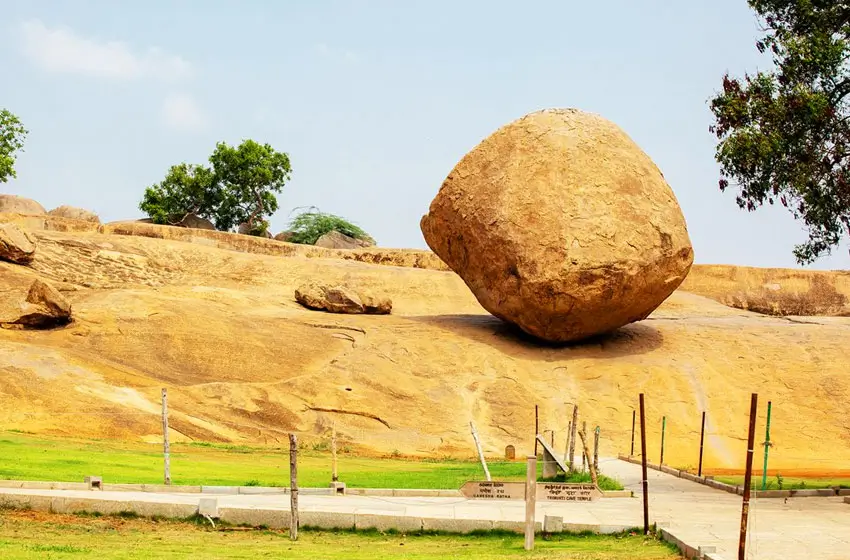
Up on the rocky hill behind Arjuna's Penance sits Krishna's Butter Ball, a giant round boulder perched on a steep slope that looks as if one push would send it rolling into town. It has stayed put for centuries, and a story goes that a 17th-century governor once tried to move it with elephants and failed. It's a favorite spot for photos and for watching local families picnic in its shade. The surrounding hillside is worth exploring on foot, since several of the best cave temples are a short walk away.
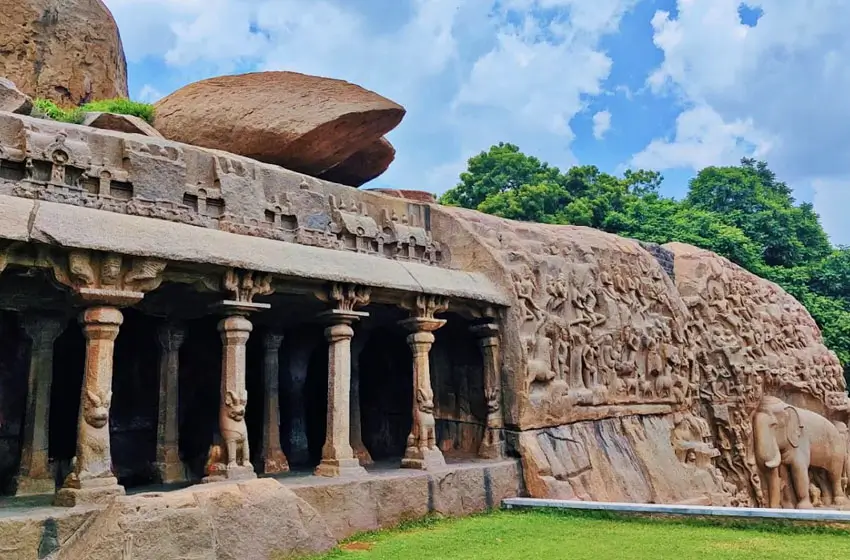
The hill is dotted with mandapas, pillared cave halls carved into the rock. The Varaha Cave has graceful panels showing Vishnu as a boar lifting the earth goddess from the ocean, along with fine images of Lakshmi and Durga. Further up near the lighthouse, the Mahishasuramardini Cave holds two of the finest reliefs in Mahabalipuram: the goddess Durga riding a lion in battle against the buffalo demon Mahishasura, and Vishnu resting on the cosmic serpent on the opposite wall. The Krishna Mandapam, near Arjuna's Penance, shows Krishna holding up Govardhana Hill to shelter cowherds and their cattle, with a calf being milked in one corner. These caves are small and cool, a welcome break from the midday sun.
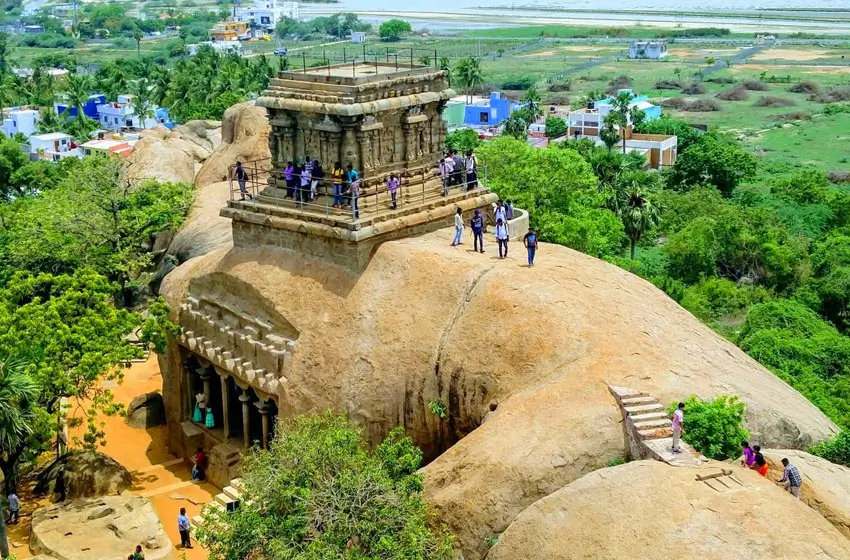
On top of the hill, the old Olakkaneswara Temple once served as an early lighthouse, with fires lit on its roof to guide ships into the Pallava port. Close by stands the newer Mahabalipuram Lighthouse, built in the 20th century, which visitors can usually climb for wide views over the monuments, the town, the coastline, and the Bay of Bengal. It's a good place to get your bearings and understand how the temples, hill, and shore fit together.
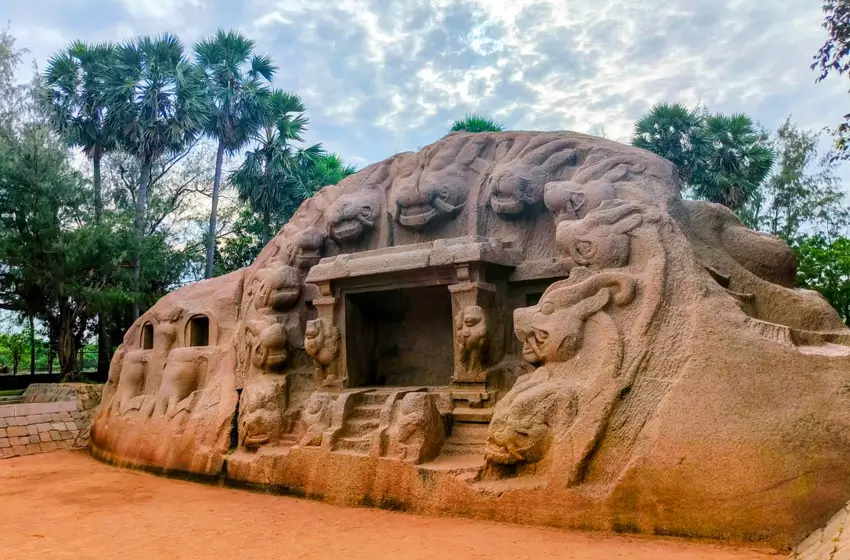
About 3 miles (5 km) north of town on the East Coast Road, the Tiger Cave is a small rock-cut shrine surrounded by a ring of carved tiger-like heads (they may actually be mythical lion figures called yalis). It sits in a quiet, shaded park by the sea, and excavations nearby have uncovered the remains of an older brick temple that was revealed after the 2004 tsunami shifted the sand. It's a short and pleasant stop on the drive in from Chennai.
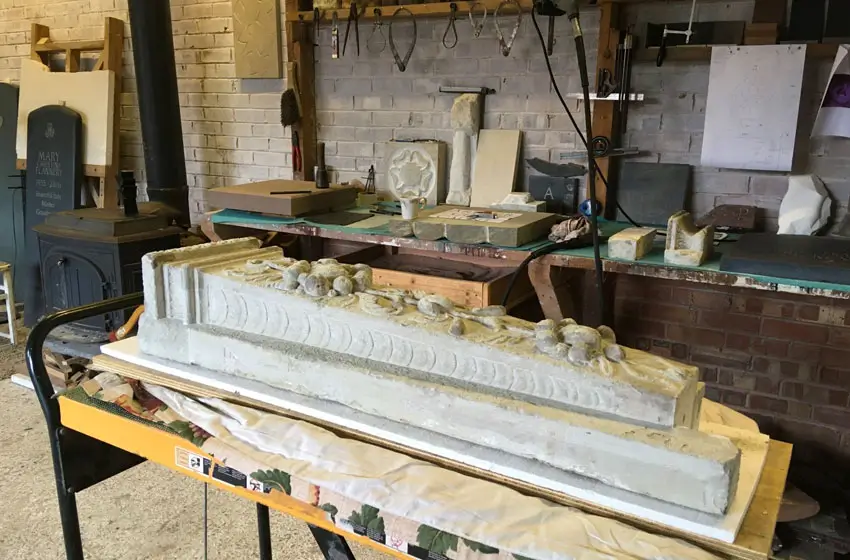
Stone carving in Mahabalipuram didn't stop with the Pallavas. Today the town is full of sculpture workshops where artisans shape granite and soapstone into gods, animals, and temple figures, from palm-sized pieces to statues that weigh several tons. Many carvers trained at the Government College of Architecture and Sculpture in town. Walking along the main streets, you can stop and watch the work in progress, and most workshops are happy to explain the process. It's a living link to the monuments you see on the hill.
Like what you see? Let's plan it for you.
Private car, driver and hotels arranged around your dates. Reply within 24 hours.
Getting there
Mahabalipuram is about 35 miles (55–60 km) south of Chennai along the scenic East Coast Road.
Chennai International Airport, about 1.5 hours by car, is the nearest airport, with direct international and domestic flights
No railway station in town; the nearest major station is Chengalpattu, about 45 minutes away, with Chennai Central and Egmore about 2 hours away
East Coast Road from Chennai (about 1.5–2 hours) and Pondicherry (about 2.5 hours), with private cars and frequent state buses
Tours that include Mahabalipuram
Explore more
Kerala Backwaters Escape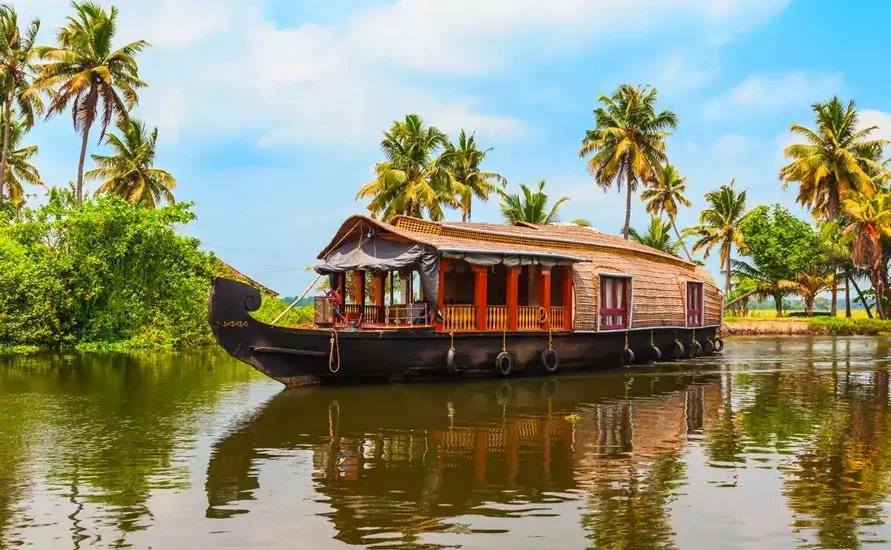 Kerala Backwaters Escape
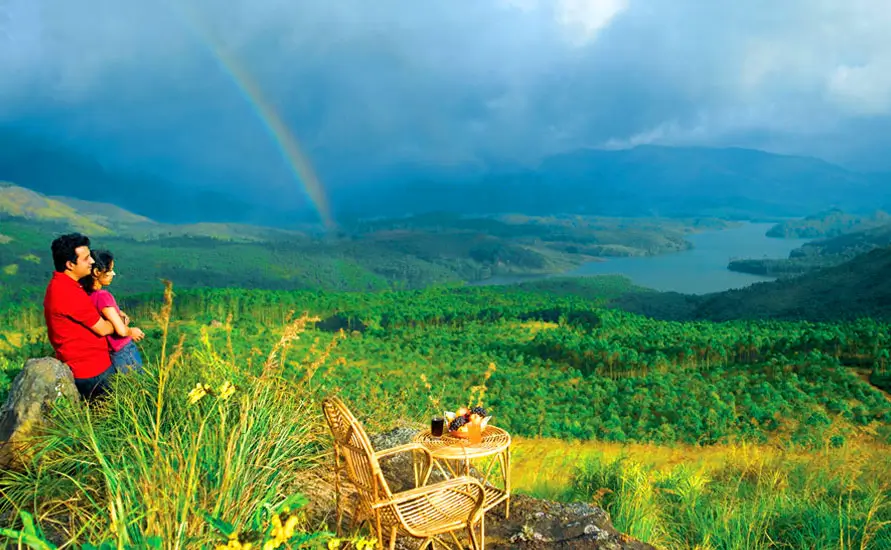 Kerala Backwaters Escape
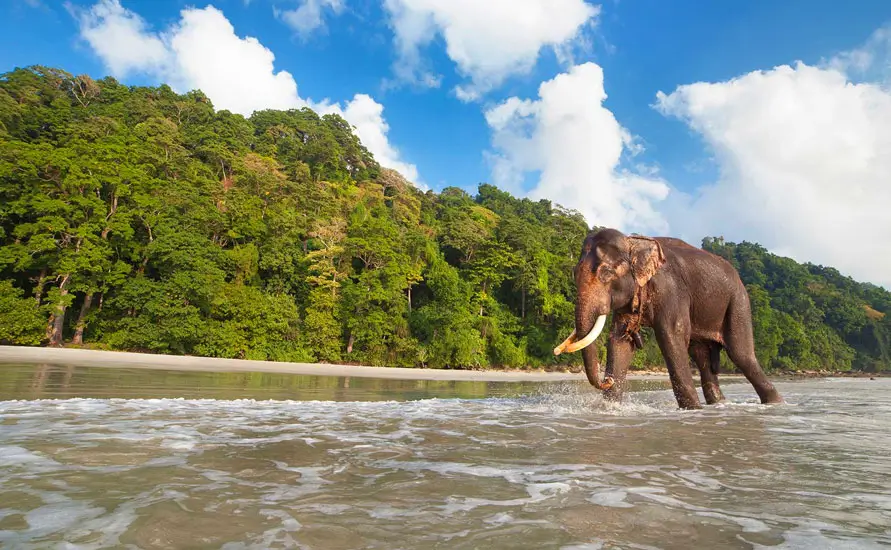 Kerala Backwaters Escape
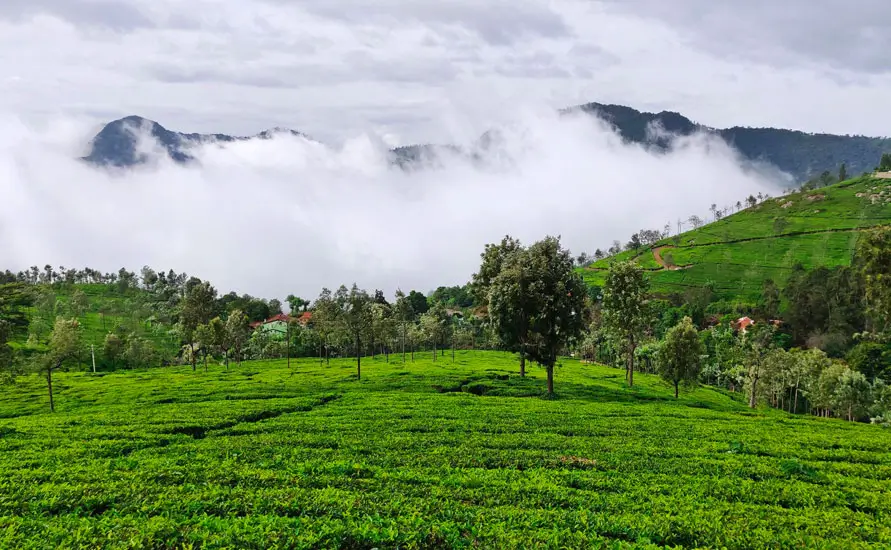 Kerala Backwaters Escape
N.S. Rathore & Mrs. Omlata Rathore · Managing Director
We still read every enquiry ourselves. Tell us the places you liked and our planners will send a day-by-day route with drive times and a clear price.
No ready-made packages and no pressure to book. A planner from our Kochi office replies within 24 hours with a route written for your group.
Fill this in and your planner will send a first draft itinerary.