 Kerala Backwaters Escape
Destination
Mysore, officially renamed Mysuru in 2014, was the seat of the Wodeyar kings for most of the last six centuries, and the city still carries itself like a royal capital. Broad avenues, Indo-Saracenic public buildings, palace gardens, and a skyline of domes give it a very different feel from the crowded tech city of Bangalore, just a few hours away. For many travelers, Mysore tourism is the most comfortable introduction to Karnataka: easy to get around, clean by Indian standards, and full of things to see within a small area.
The highlight is the Mysore Palace, one of the most visited monuments in the country, but the city has much more than one building. You can climb or drive up Chamundi Hill for views over the plains, wander a 19th-century produce market heaped with jasmine and kumkum powder, watch silk being woven on power looms, and spend an afternoon at the riverside forts and tombs of Tipu Sultan in nearby Srirangapatna. Mysore is also known across India for yoga, sandalwood, silk sarees, and a famous sweet called Mysore pak.
In practical terms, Mysore works as a hub. It sits between Bangalore and the hill country of Coorg, close to the tiger reserves of Bandipur, Nagarhole, and Kabini, and on the road toward Ooty in the Nilgiris. Most South India private tours that cover Karnataka spend two nights here before heading into the forests, the coffee hills, or the Hoysala temples at Belur and Halebid.
Mysore Palace, Chamundi Hill, Devaraja Market, St. Philomena's Church, Srirangapatna, Brindavan Gardens
October – March
Dry, mild days and the Dasara festival
2 Days
Add 1 day for Srirangapatna and Somanathapura
Kannada, English.
Hotel staff, drivers, and guides speak good English
Mysore Dasara is the biggest festival in Karnataka and one of the grandest in India. It runs for ten days in September or October (dates follow the Hindu calendar) and celebrates the goddess Chamundeshwari's victory over evil. The palace is lit every night, there are music and dance performances in the palace grounds, food fairs, and exhibitions, and the city fills with Indian tourists. On the last day, Vijayadashami, a procession called the Jamboo Savari winds through the city, led by a decorated elephant carrying a golden howdah with the goddess's idol. If you want to attend, book hotels and seating passes for the procession well in advance and expect higher rates and heavy crowds.
Begin with the local style of masala dosa, thicker and softer than the Chennai version, often served with a dab of butter. The small, decades-old breakfast joints in the old city are famous for it and get queues on weekends. Mysore pak, a dense sweet made from gram flour, ghee, and sugar, was first made in the palace kitchens and is sold all over the city. Try bisi bele bath (a spiced rice and lentil dish), ragi mudde (finger millet balls served with a thin curry), and a full Karnataka meals on a banana leaf at lunch. Meat eaters can look for Mysore-style mutton pepper fry and nati koli (country chicken) curries. South Indian filter coffee is excellent here too, and the city's many fruit stalls sell fresh tender coconut water that is safe to drink straight from the shell.
Read More +Like what you see? Let's plan it for you.
Private car, driver and hotels arranged around your dates. Reply within 24 hours.
Mysore
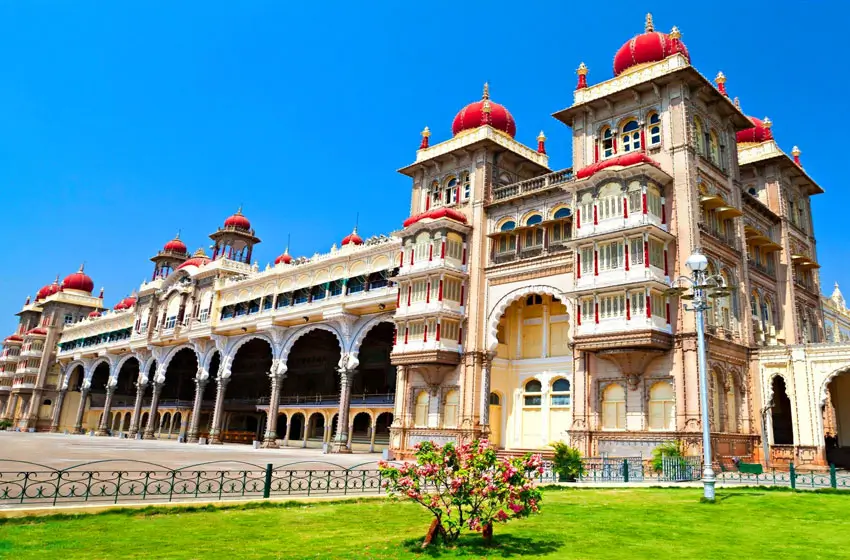
The Mysore Palace is the reason most people come, and it deserves a full morning. The current building was completed in 1912 after an earlier wooden palace burned down, and it was designed by the British architect Henry Irwin in a mix of Hindu, Mughal, Rajput, and Gothic styles. Inside, the rooms are far more lavish than the sandstone exterior suggests. Look for the Kalyana Mantapa (marriage hall) with its octagonal stained-glass ceiling and peacock-patterned floor, the long painted murals of the Dasara procession, and the Durbar Hall, a huge open-sided gallery of carved pillars where the kings held public audiences. Shoes are left at a counter before you enter, and the floors can be cool in the morning, so socks help. The palace is lit with nearly 100,000 bulbs on Sunday and public holiday evenings for a short period, and every night during Dasara. Seeing the whole facade switch on at once is a highlight of any Mysore city tour, so try to plan one evening around it.
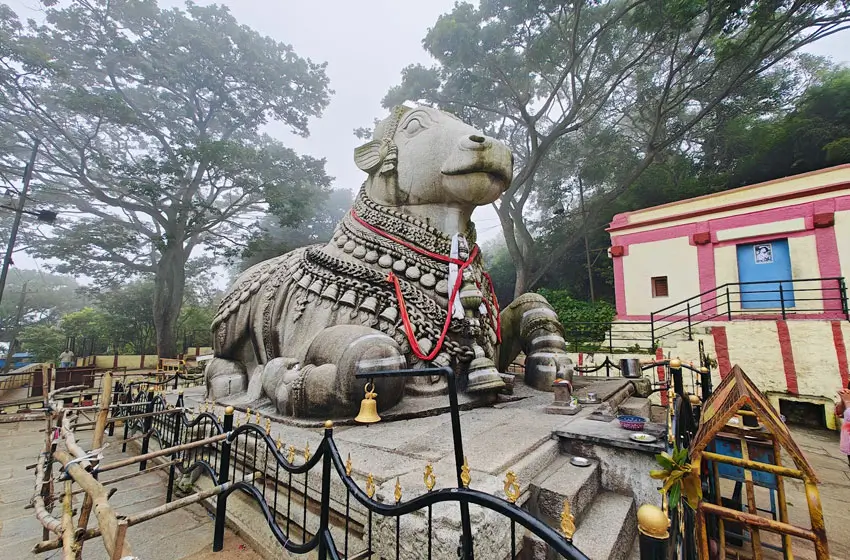
Rising about 1,000 feet above the city, Chamundi Hill is topped by the Chamundeshwari Temple, dedicated to the goddess who, according to legend, killed the buffalo demon Mahishasura and gave Mysore its name. The temple's seven-tier gopuram is busy with pilgrims, especially on Fridays and during Dasara, so mornings on weekdays are calmer. Most visitors drive to the top, but fit travelers can climb the 1,000-odd stone steps on the old pilgrim path. About two-thirds of the way down the steps sits a large monolithic Nandi (Shiva's bull) carved from a single block of black stone in the 17th century, often draped in garlands. Even if you drive up, ask your driver to stop at the Nandi on the way back down. The road also has several viewpoints over the city, with the palace and the Lalitha Mahal clearly visible below.
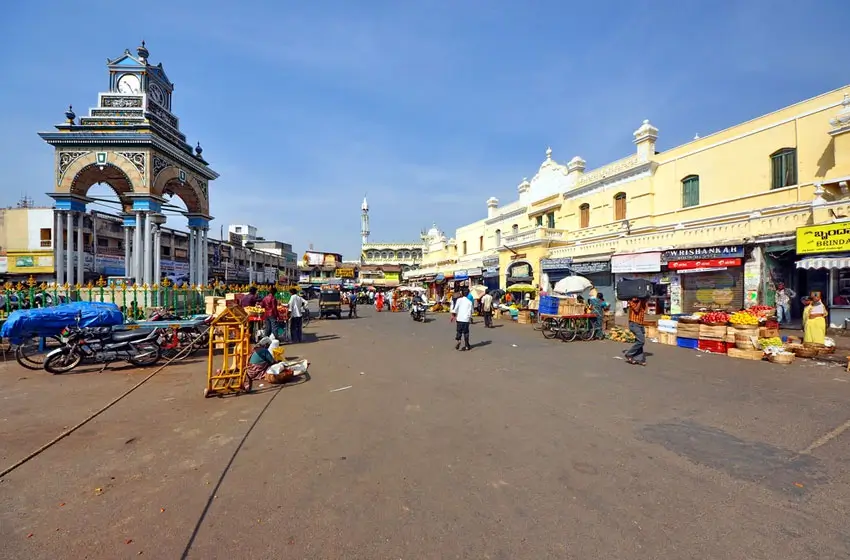
Devaraja Market is the best place in Mysore to see daily life up close. The covered market dates from the late 19th century, and its long aisles are packed with mounds of bananas, betel leaves, coconuts, and vegetables, along with sellers stringing jasmine and marigold garlands at high speed. The most photographed corner is where vendors stack cones of brightly colored kumkum powder used in Hindu worship. Traders are used to visitors and many are happy to be photographed if you ask first. Go in the morning when produce is fresh and the light through the market is good. A local guide makes the visit easier and can point out incense makers, sandalwood oil sellers, and fruit you won't see at home.
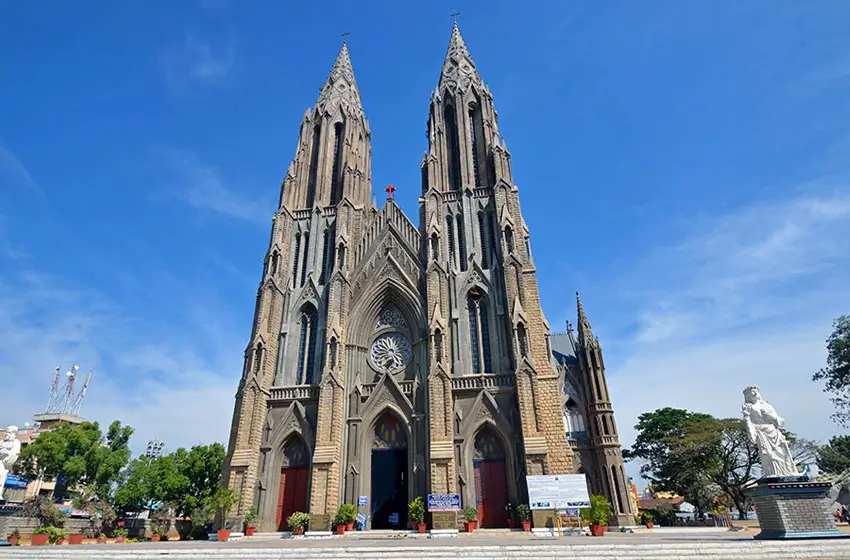
With twin spires that rise around 175 feet, St. Philomena's Church is one of the tallest churches in India and a surprising sight in a city known for palaces and temples. It was built in the neo-Gothic style in the 1930s and 1940s, with a design said to be inspired by Cologne Cathedral in Germany. Inside are stained-glass windows showing scenes from the life of Christ, and the crypt below the altar holds a relic of St. Philomena. It's an active church, so dress modestly and keep your voice low during services.
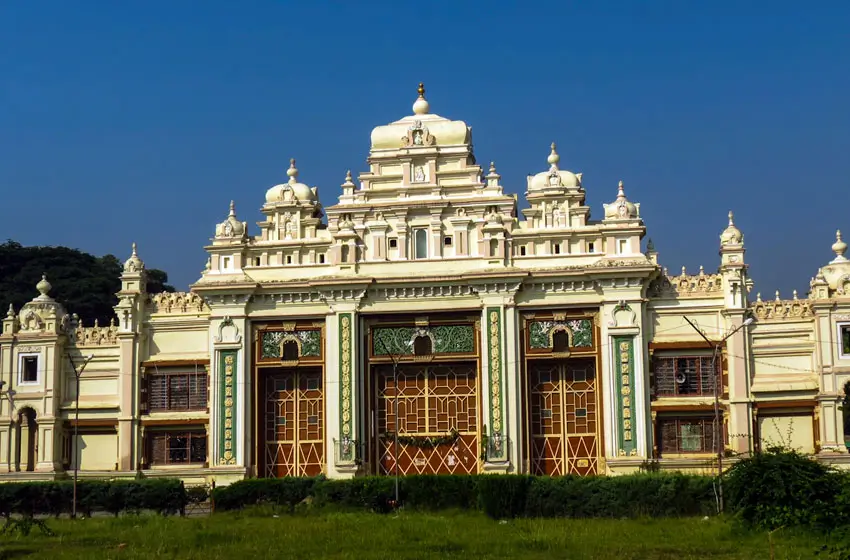
The Jaganmohan Palace served as the royal family's home while the main palace was being rebuilt, and it now houses the Sri Jayachamarajendra Art Gallery. The collection includes several well-known oil paintings by Raja Ravi Varma, one of India's most celebrated painters, along with traditional Mysore-style paintings with gold-leaf detailing, old musical instruments, clocks, and royal memorabilia. One famous piece is a painting called "Lady with the Lamp" by S. L. Haldankar, displayed in a dark room so the glow of the lamp appears real. It's a quiet, old-fashioned museum and takes about an hour.
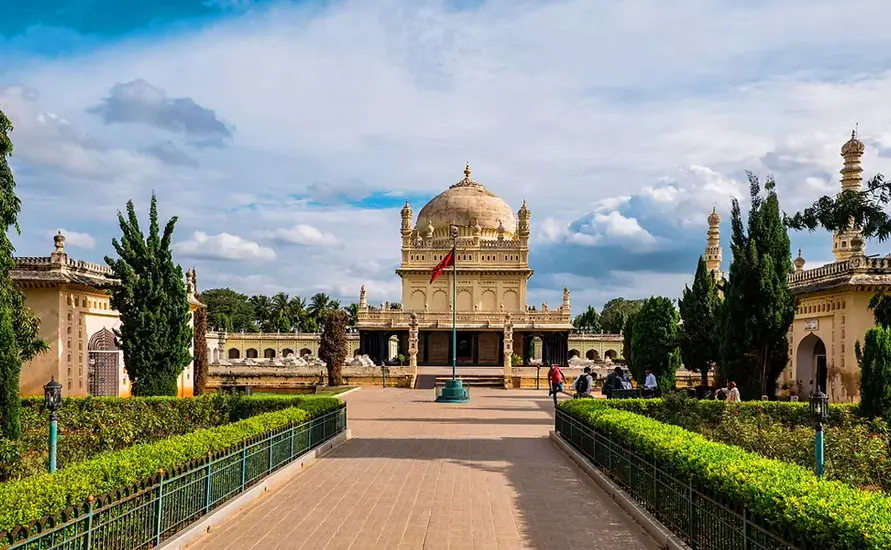
About 30 minutes north of the city, the island town of Srirangapatna in the Kaveri River was the capital of Tipu Sultan, the ruler who fought four wars against the British East India Company before he was killed here in 1799. The best stop is Daria Daulat Bagh, Tipu's summer palace, a low teak building whose walls are completely covered in painted murals, including a large scene of his victory over the British at Pollilur. Nearby is the Gumbaz, the white-domed mausoleum of Tipu and his father Hyder Ali, set in a peaceful garden. You can also see the remains of the fort, the spot where Tipu's body was found, and the old Sri Ranganathaswamy Temple, which gives the town its name. Note that Daria Daulat Bagh, as an Archaeological Survey of India site, is closed on Fridays.
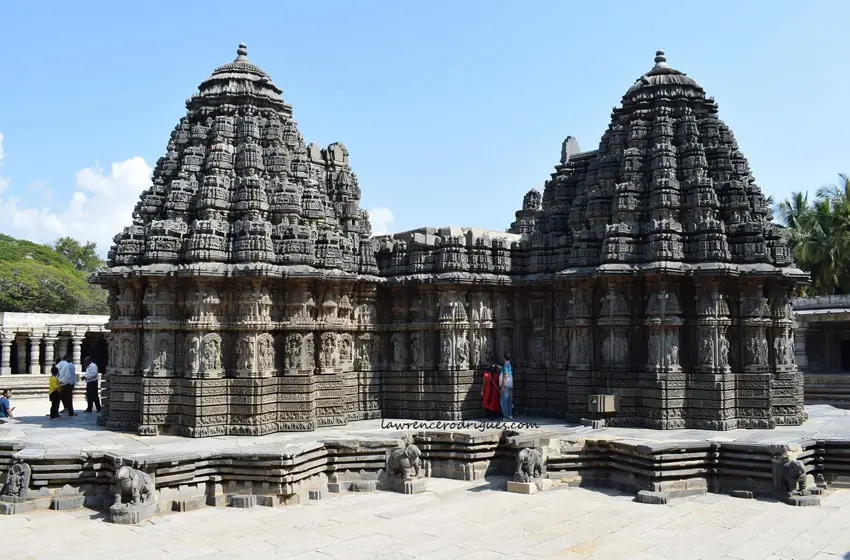
The Keshava Temple at Somanathapura, about an hour's drive east of Mysore, is one of the finest examples of Hoysala architecture and part of the UNESCO-listed "Sacred Ensembles of the Hoysalas." Built in 1268, it stands on a star-shaped platform inside a walled courtyard, and every inch of its outer walls is carved with bands of elephants, horses, scrolls, and scenes from the epics, topped by rows of finely detailed gods. It's no longer used for worship, so it's quiet and easy to photograph. If you aren't traveling north to Belur and Halebid, this is the place to see Hoysala carving.
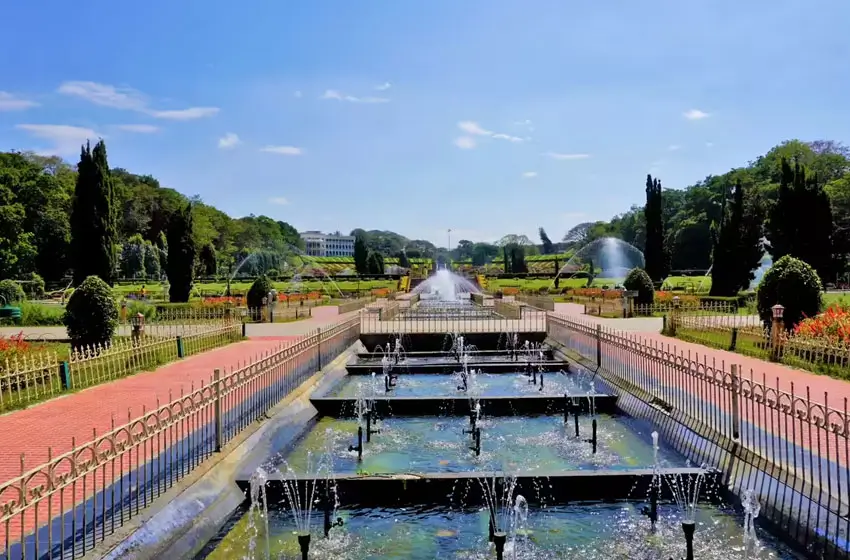
Brindavan Gardens lie below the Krishnaraja Sagar (KRS) Dam on the Kaveri, about 45 minutes from the city. The terraced gardens with fountains and lawns are popular with Indian families, and the main attraction is the evening musical fountain show, where water jets are set to music and colored lights. It can be very crowded on weekends and holidays, and some visitors find it a bit dated, so treat it as optional. It fits well after a day in Srirangapatna, since the two are on the same side of town.
Like what you see? Let's plan it for you.
Private car, driver and hotels arranged around your dates. Reply within 24 hours.
Getting there
Mysore is well connected by train and road, with Bangalore as the main gateway for international arrivals.
Bengaluru's Kempegowda International Airport (about 3.5–4 hours by road) for international flights; Mysore's small airport has limited domestic connections
Mysuru Junction, with Shatabdi, Vande Bharat, and many express trains to Bangalore and Chennai
Bengaluru–Mysuru Expressway to Bangalore (about 3 hours), and good highways to Coorg, Ooty, and Kabini
Tours that include Mysore
Explore more
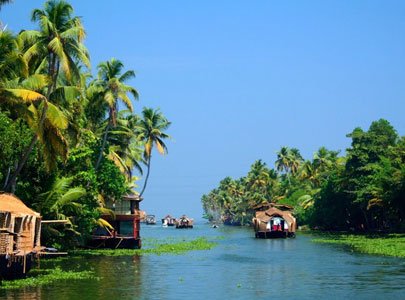
Kerala Backwaters Escape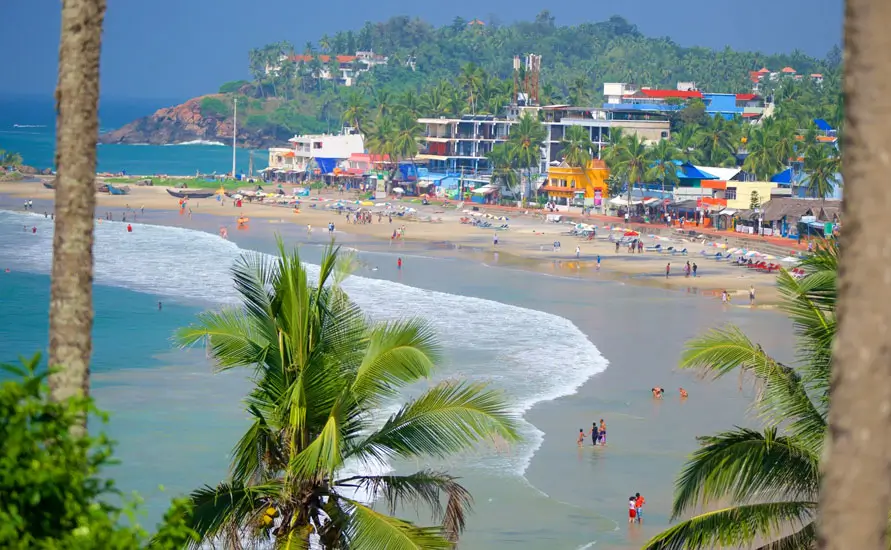 Kerala Backwaters Escape
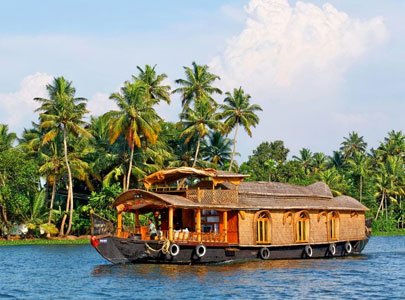
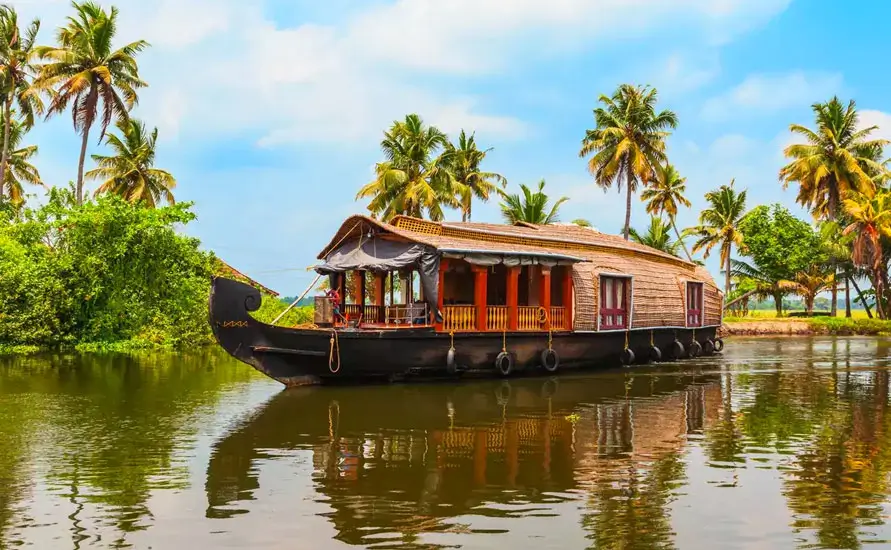 Kerala Backwaters Escape
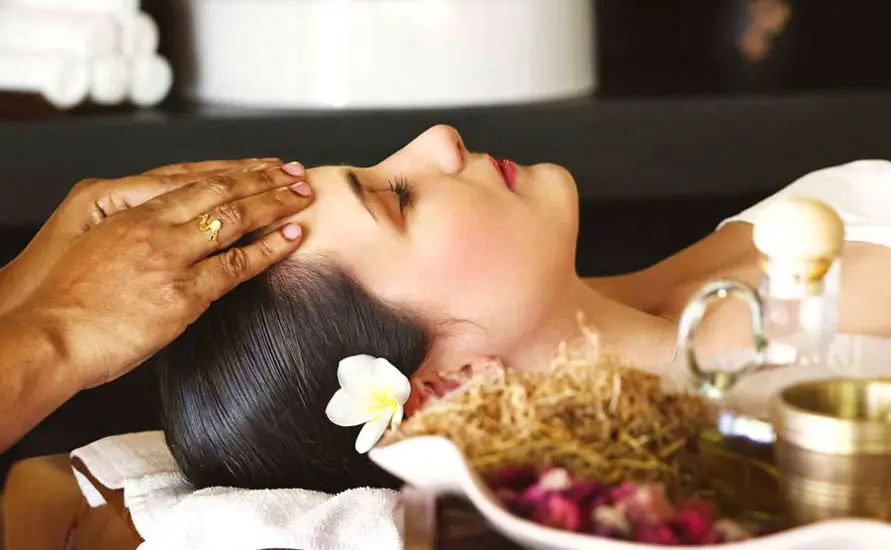 Kerala Backwaters Escape
N.S. Rathore & Mrs. Omlata Rathore · Managing Director
We still read every enquiry ourselves. Tell us the places you liked and our planners will send a day-by-day route with drive times and a clear price.
No ready-made packages and no pressure to book. A planner from our Kochi office replies within 24 hours with a route written for your group.
Fill this in and your planner will send a first draft itinerary.