
 Kerala Backwaters Escape
Ayurvedic Tour Packages
Chennai - Mahabalipuram - Kanchipuram - Cochin - Kottayam - Kumarakom - Cochin
At a glance
Ancient stone architecture and traditional wellness form the two distinct threads of this fifteen-day South India journey. Beginning in Chennai, the route follows Tamil Nadu's historic coastline to Mahabalipuram and reaches the celebrated temple city of Kanchipuram before turning west towards Kerala. From Cochin, the journey continues into the greener landscapes of Kottayam and Kumarakom, where the pace becomes deliberately slower.
The opening section concentrates on the architectural heritage of Tamil Nadu. Mahabalipuram's rock-cut monuments reveal the artistic legacy of the Pallava period, while Kanchipuram introduces an active temple tradition that has continued for centuries. Cochin then changes the setting completely, replacing monumental temple architecture with old trading quarters, churches, waterfront landmarks and the multicultural history of Kerala's port city.
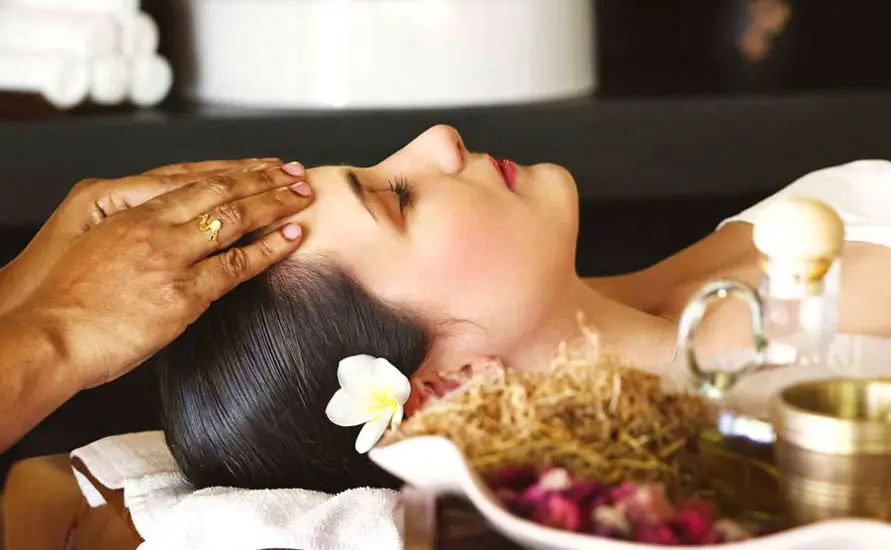
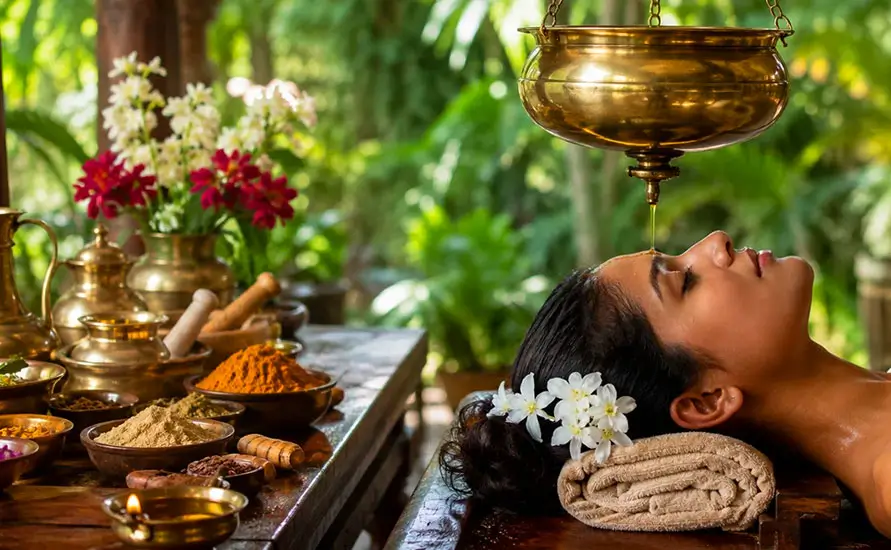
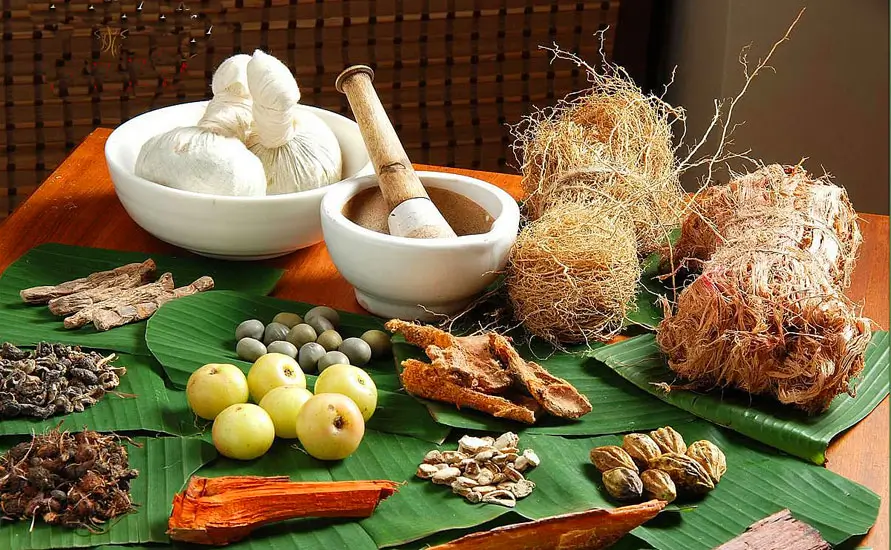
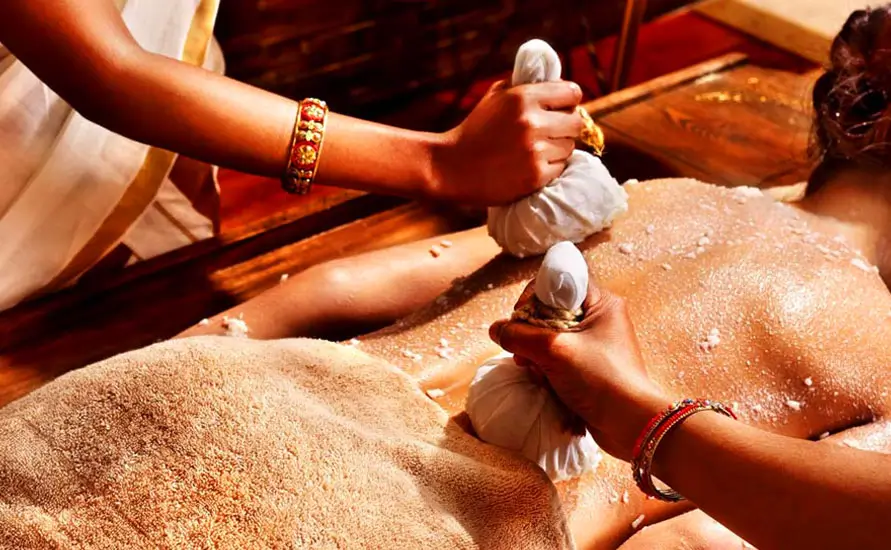
Ayurveda becomes increasingly important as the itinerary moves through Kerala. Rather than promising predetermined therapies or medical results, the wellness component should begin with professional assessment at the confirmed Ayurveda centre. Suitable treatments, their duration and supporting routines are selected according to individual requirements. Combined with Kottayam's inland greenery and Kumarakom's Vembanad backwaters, the later days are intended to feel noticeably less hurried than the heritage-focused beginning of the tour.
Arrive at Chennai International Airport, meet the driver and transfer to the hotel. Chennai is both a modern metropolitan centre and an important gateway to Tamil culture, with historic temples, colonial-era institutions and neighbourhoods that developed around the Bay of Bengal.
Depending on the arrival time, begin with a visit to Kapaleeshwarar Temple in Mylapore. The temple is an important centre of Shaivite worship and is recognised for its colourful Dravidian gateway tower. Visitors should observe applicable dress, photography and religious access regulations while exploring the permitted sections of the complex.
Continue towards Marina Beach for an introduction to Chennai's long urban coastline if daylight and arrival timing permit. Keep the remainder of the evening free after the journey rather than overloading the first day with sightseeing. Return to the hotel and rest. Overnight stay in Chennai.
After breakfast, continue exploring Chennai with a visit to San Thome Basilica, built over the traditional burial site associated with St. Thomas the Apostle. The church provides a very different architectural and religious perspective from the temple traditions encountered elsewhere in Tamil Nadu.
Proceed to the Government Museum, Chennai, subject to its official opening schedule. Its collections cover archaeology, sculpture, art and other aspects of South Indian history, making it useful background before visiting the monumental sites of Mahabalipuram and Kanchipuram.
Later, see Fort St. George and the historic colonial district from the accessible areas permitted at the time of the visit. If time allows, return to Mylapore or spend part of the evening along the city's coastal areas. The day's programme introduces several different layers of Chennai rather than presenting it solely as an arrival gateway. Overnight stay in Chennai.
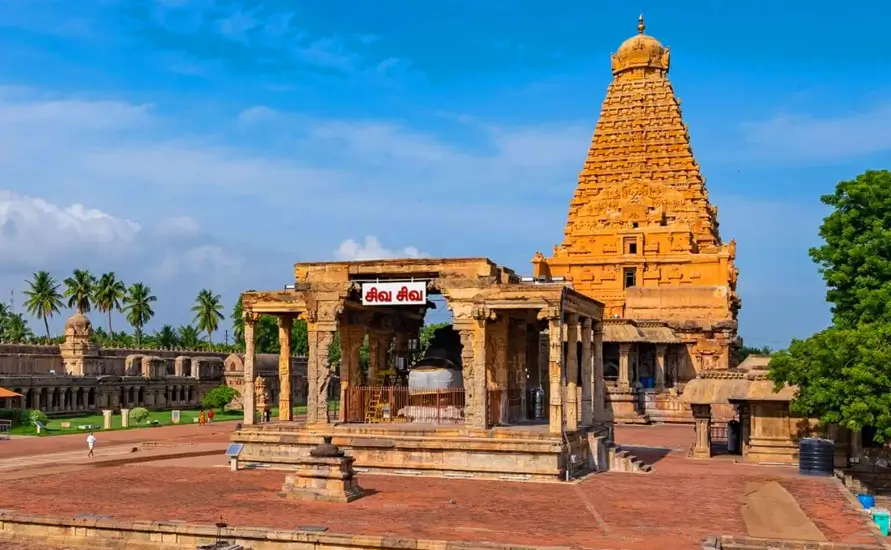
After breakfast, leave Chennai and travel south along the coastal route towards Mahabalipuram (Mamallapuram). The town became an important artistic centre under the Pallavas, and its surviving monuments demonstrate several stages in the development of South Indian temple architecture.
Begin with the monumental relief known as Arjuna's Penance, also widely associated with the Descent of the Ganges. Continue to Krishna's Butter Ball, a naturally balanced granite boulder that has become one of Mahabalipuram's most recognisable sights, before exploring the area's rock-cut architectural landscape.
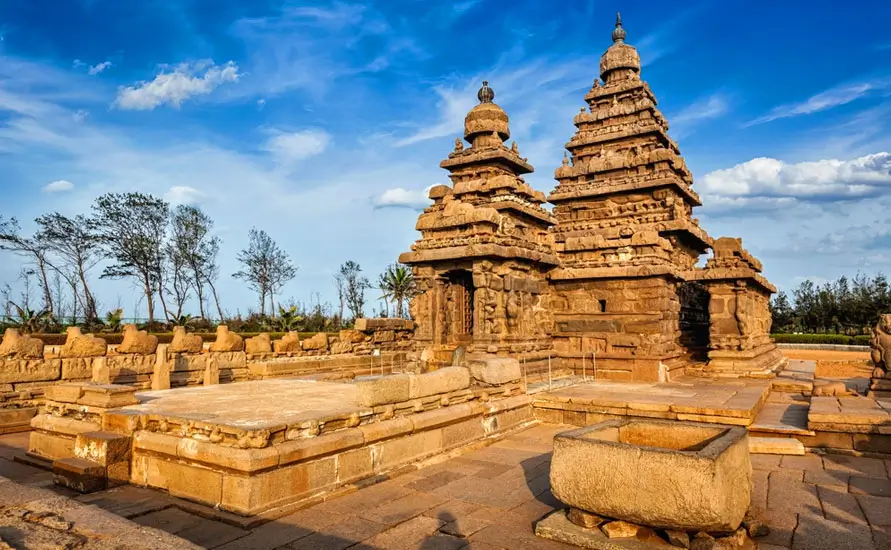
Visit the Pancha Rathas, a group of monolithic structures carved from individual rock masses, and later proceed to the seaside Shore Temple. Its position close to the Bay of Bengal gives it a dramatically different setting from the inland monuments. Check into the hotel and spend the evening at leisure. Overnight stay in Mahabalipuram.
After breakfast, leave the coast and travel towards Kanchipuram, one of Tamil Nadu's historically important temple cities. Its religious traditions and surviving architecture provide a strong contrast with Mahabalipuram's largely archaeological monumental landscape.
Visit Kailasanathar Temple, an important early structural temple associated with the Pallava period. Continue to Ekambareswarar Temple, one of Kanchipuram's major Shiva temples, recognised for its extensive complex and prominent gateway tower. Religious access and dress requirements should be respected throughout the visits.
Depending on opening hours and available time, continue to Varadharaja Perumal Temple, an important Vaishnavite pilgrimage centre. Kanchipuram is also widely associated with traditional silk weaving, and time may be allowed to understand this craft tradition without turning the day into a compulsory shopping programme. Overnight stay in Kanchipuram.
After breakfast, check out and prepare for the onward journey from Kanchipuram to Cochin (Kochi). As these destinations are separated by a considerable distance, the transfer should follow the confirmed flight or other scheduled travel arrangements rather than assuming an impractical continuous sightseeing drive.
After reaching Cochin, meet the local driver and transfer to the hotel. The shift from Tamil Nadu to Kerala introduces a noticeably different cultural and geographical setting, moving from temple cities and the Coromandel region towards Kerala's tropical coast and historic trading centre.
Keep the remaining hours light after the inter-state journey. If arrival timing permits, take a relaxed walk around the local surroundings, but reserve Cochin's principal heritage attractions for the following day so they can be visited without rushing. Overnight stay in Cochin.
After breakfast, begin with Fort Kochi, whose streets preserve architectural traces of several periods of overseas contact. Visit St. Francis Church, one of the area's important colonial-era landmarks, before continuing towards the waterfront.
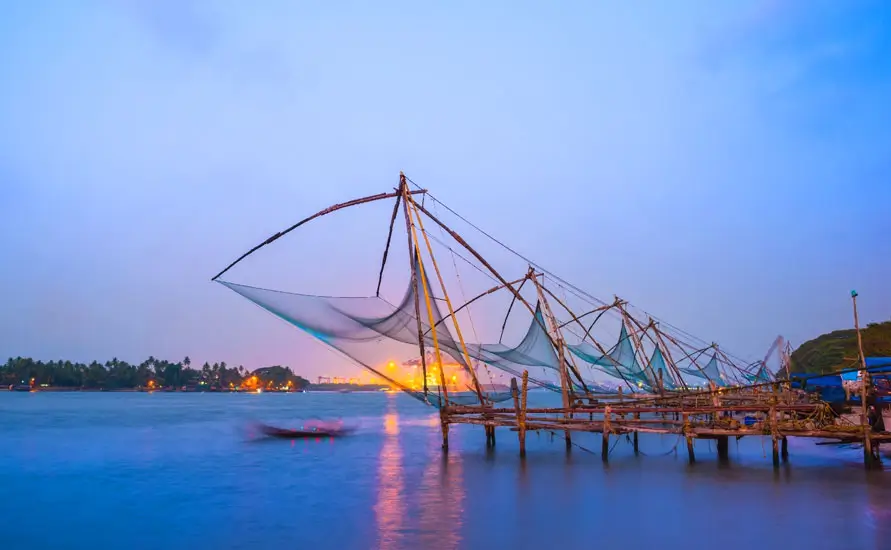
See the traditional Chinese Fishing Nets, whose cantilevered structures remain closely associated with Kochi's harbour landscape. Continue towards Mattancherry and visit Mattancherry Palace (Dutch Palace), subject to official opening hours. The palace is particularly known for its historic murals and exhibits linked with Kerala's royal traditions.
Walk through Jew Town and visit the Paradesi Synagogue when open and accessible, observing applicable religious and security regulations. The combination of church, palace, synagogue and trading streets demonstrates the varied communities that contributed to Cochin's history. Return to the hotel after sightseeing. Overnight stay in Cochin.
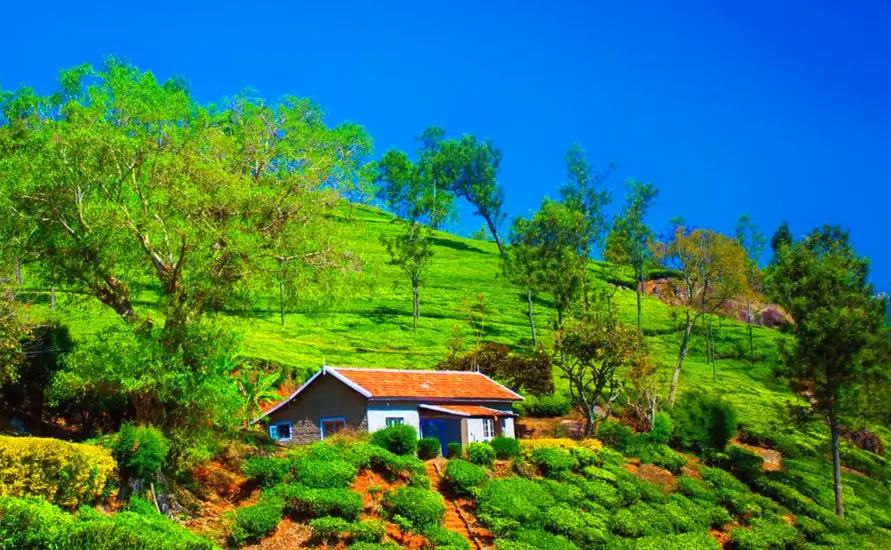
After breakfast, leave Cochin and travel towards Kottayam. The journey moves away from the urban port environment into a greener inland region shaped by waterways, plantations, agricultural settlements and the landscapes surrounding central Kerala.
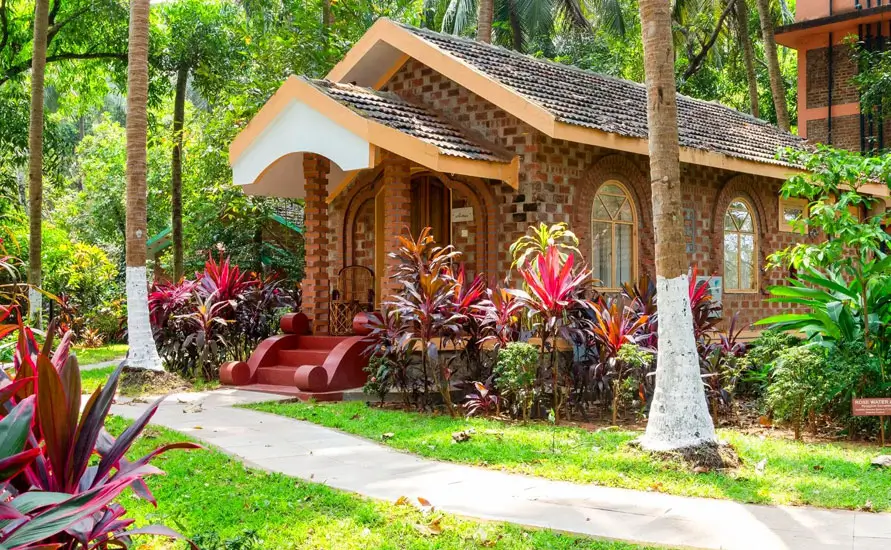
After arrival, check into the confirmed accommodation and allow time to settle in. Depending on the location of the property, spend part of the day enjoying the surrounding countryside rather than immediately beginning another intensive sightseeing schedule. The quieter pace also prepares for the wellness-oriented section of the journey.
Where the confirmed programme begins in Kottayam, attend an introductory Ayurvedic consultation and assessment with the available qualified practitioner. Health history, current concerns and relevant personal information may be reviewed before any therapy is recommended. The exact treatment schedule should be determined professionally rather than assumed in advance. Overnight stay in Kottayam.
Begin the morning according to the schedule established by the confirmed wellness property. If an Ayurveda programme has commenced, attend the prescribed Ayurvedic therapy session and follow the practitioner's advice regarding meals, bathing, activity and the appropriate period of rest afterwards.
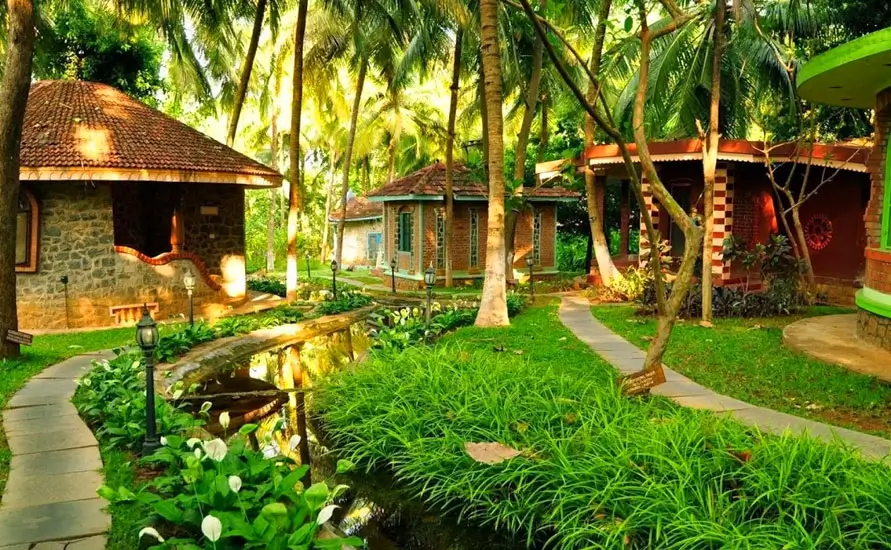
Later, continue towards Kumarakom, situated beside Vembanad Lake, one of the defining waterways of central Kerala. Check into the confirmed accommodation and spend time observing the backwater environment, where canals, coconut palms, village settlements and broad stretches of lake create a landscape very different from the opening days in Tamil Nadu.
Depending on timing and official access, visit Kumarakom Bird Sanctuary, whose wetland and wooded habitats support a variety of resident and seasonal birdlife. Sightings vary with season, weather and natural conditions and cannot be guaranteed. Keep the evening free beside the backwaters, allowing the journey to settle into a slower rhythm. Overnight stay in Kumarakom.
Begin the morning in Kumarakom with the quieter rhythm established during the previous day. If the confirmed Ayurveda programme is underway, attend the scheduled Ayurvedic consultation or therapy session according to the practitioner's recommendations. Treatment type and duration should remain individual rather than following a standard procedure for every traveller.
After the prescribed rest period, spend time around Vembanad Lake, whose broad waters, canals and coconut-lined banks define Kumarakom's landscape. Local boats, fishing activity and waterside settlements offer a glimpse of everyday life in Kerala's backwater region. A locally operated cruise can be considered when included or arranged separately.
Keep the later part of the day unhurried so that the wellness programme and backwater stay complement each other rather than compete for time. Follow any guidance concerning meals, hydration, bathing or physical activity after treatment. Enjoy the evening beside the lake and return to the accommodation for an overnight stay in Kumarakom.
Start the day according to the routine recommended by the confirmed wellness property. Attend the day's personalised Ayurvedic therapy where scheduled, allowing the practitioner to continue or adjust the programme according to individual response and professional assessment.
Later, enjoy Kumarakom's natural surroundings at an easy pace. If it was not visited earlier, spend time at Kumarakom Bird Sanctuary, subject to official opening conditions. The sanctuary's wetland and wooded habitats support resident and seasonal birdlife, although the species seen will vary according to season, weather and natural conditions.
Use the remainder of the afternoon for rest at the property or quiet time beside Vembanad Lake. Long sightseeing drives are intentionally avoided so that the day retains continuity with the Ayurveda component of the journey. Follow the centre's post-treatment instructions and enjoy another peaceful evening in Kumarakom. Overnight stay in Kumarakom.
Continue the established morning schedule and proceed with the prescribed Ayurvedic treatment session. If a follow-up review is due, the practitioner may discuss how the programme is progressing and modify the therapy schedule where considered appropriate. Guests should communicate any discomfort or relevant changes rather than assuming every treatment must continue unchanged.
After sufficient rest, spend time observing the rural backwater environment surrounding Kumarakom. The wider Vembanad Lake region is characterised by canals, paddy-growing areas, coconut palms and settlements connected by both road and water. This day is intended for appreciating that setting rather than collecting a long list of attractions.
Return to the accommodation for a relaxed afternoon and evening. Where dietary or lifestyle guidance forms part of the wellness programme, continue following the recommendations provided by the centre. The slower schedule gives the body adequate time between therapy sessions while keeping the backwater experience central to the stay. Overnight stay in Kumarakom.
Begin the day with a follow-up Ayurvedic consultation when scheduled by the confirmed centre. The practitioner may review the previous treatment days, discuss individual response and decide whether the remaining therapy programme should continue in the same form or be adjusted.
Proceed with the recommended therapy and allow an appropriate recovery period afterwards. Ayurveda treatments should not be treated as generic spa services, and the exact procedure, duration and supporting routine will depend on professional assessment. Continue following any instructions regarding food, bathing, hydration and activity.
Later, enjoy free time around Vembanad Lake or the accommodation's accessible backwater surroundings. Travellers who wish to spend additional time on the water can consider an authorised local boat experience when available, while those following a more restrictive wellness routine can simply remain at the property. Overnight stay in Kumarakom.
The final complete day in Kumarakom remains focused on continuity. Begin according to the established routine and attend the day's Ayurvedic therapy session as recommended by the practitioner. Avoid introducing strenuous activities that could interfere with the programme during its concluding stage.
After treatment, spend sufficient time resting before enjoying the surroundings of Vembanad Lake. The absence of a long road transfer allows the day to remain deliberately spacious, with time for gentle walks within suitable areas, reading or simply watching activity on the waterways.
Use the evening to prepare for the final stage of the journey. Where applicable, note any questions about post-programme diet, routine or future wellness practices so they can be discussed during the concluding consultation. Enjoy the last evening in Kumarakom's backwater setting. Overnight stay in Kumarakom.
Begin the morning with the final scheduled Ayurvedic consultation and programme review where this forms part of the confirmed wellness arrangement. The practitioner may discuss the completed therapies and provide general guidance for the period following the programme. Any continuing treatment should be undertaken only according to appropriate professional advice.
After breakfast and check-out, leave Kumarakom and travel back towards Cochin. The road moves away from the Vembanad backwater region and gradually returns to Kerala's busier urban and coastal environment. On arrival, check into the hotel and take time to rest after the transfer.
If time permits and any important attraction was missed earlier, revisit the heritage surroundings of Fort Kochi, the waterfront Chinese Fishing Nets or Jew Town rather than adding a distant excursion. Otherwise, keep the final evening free for personal time. Overnight stay in Cochin.
After breakfast, enjoy a relaxed final morning according to the confirmed departure schedule. If sufficient time is available, take a final walk through Fort Kochi or spend time along the historic waterfront, revisiting the atmosphere that introduced Kerala earlier in the journey.
Complete hotel check-out and prepare for the onward journey. Sightseeing on the departure day should remain secondary to flight or train timings, particularly because transfer time to the airport can vary with traffic and the location of the hotel.
At the appropriate time, transfer to Cochin International Airport or railway station. The fifteen-day journey concludes after linking Chennai's cultural landmarks, the Pallava monuments of Mahabalipuram, Kanchipuram's historic temples, Fort Kochi, Kottayam's inland landscape, the Vembanad Lake backwaters and a professionally guided Ayurveda wellness programme in Kerala.
Your Journey
N.S. Rathore & Mrs. Omlata Rathore · Managing Director
We still read every enquiry ourselves. Tell us the places you liked and our planners will send a day-by-day route with drive times and a clear price.
No ready-made packages and no pressure to book. A planner from our Kochi office replies within 24 hours with a route written for your group.
Fill this in and your planner will send a first draft itinerary.
Explore more
Kerala Backwaters Escape Kerala Backwaters Escape
 Kerala Backwaters Escape
 Kerala Backwaters Escape
 Kerala Backwaters Escape
 Kerala Backwaters Escape
 Kerala Backwaters Escape
 Kerala Backwaters Escape