 Kerala Backwaters Escape
Ayurvedic Tour Packages
Chennai-Kanchipuram-Mahabalipuram-Tanjore-Swamimalai-Madurai-Chennai
At a glance
Tamil Nadu's temple towns are not isolated monuments on a map; together they trace centuries of architecture, religion, craftsmanship and royal patronage. This 12 Nights 13 Days Ecstatic South India Ayurveda Tour follows that cultural landscape from Chennai to Kanchipuram, Mahabalipuram, Tanjore, Swamimalai and Madurai before returning to Chennai.
The journey moves through several major periods of South Indian history. Kanchipuram introduces the structural temples of the Pallavas, while Mahabalipuram preserves remarkable rock-cut and monolithic architecture beside the Bay of Bengal. Farther south, Tanjore reveals the monumental legacy of the Cholas, Swamimalai adds a strong craft tradition, and Madurai brings the itinerary into one of Tamil Nadu's most active historic temple cities.
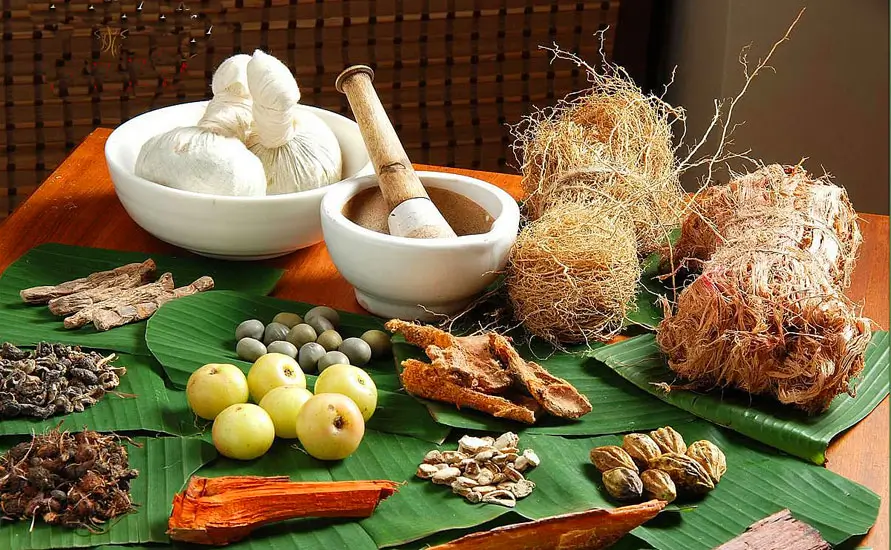
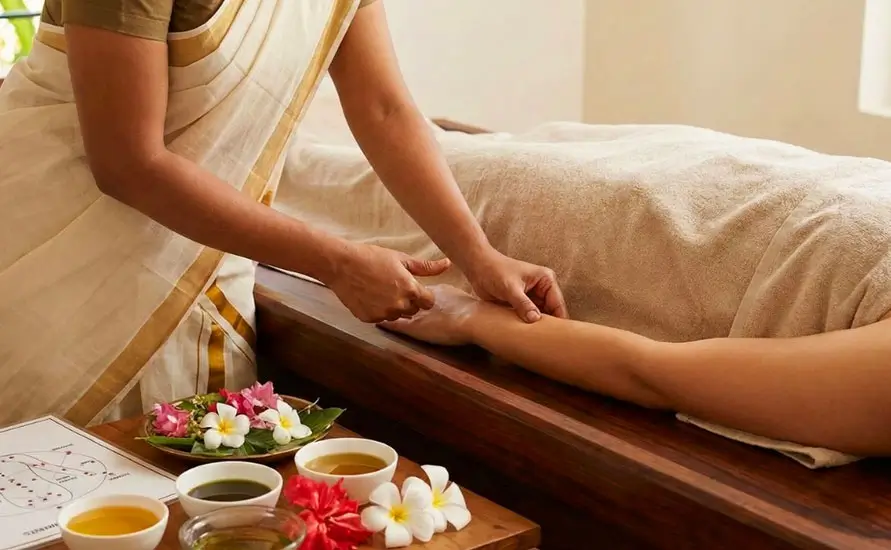
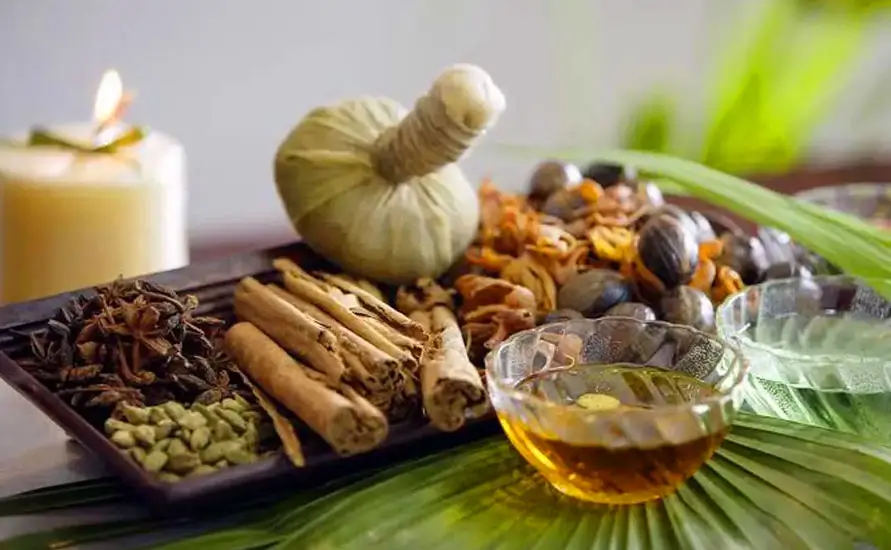
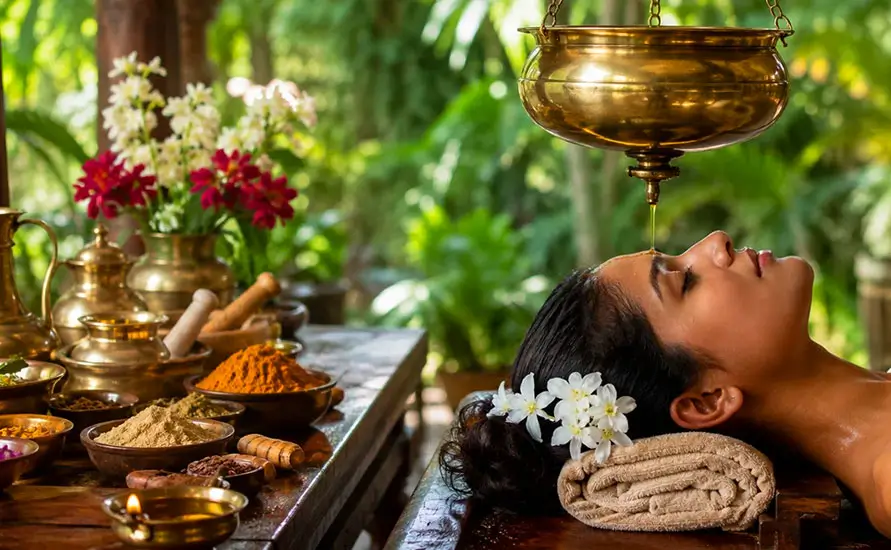
Ayurveda provides a quieter counterpoint to the architectural journey. Rather than assigning the same therapies to every traveller, any wellness programme should begin with consultation at the confirmed Ayurveda centre. Suitable therapies and rest periods can then be incorporated according to professional advice, allowing the tour to combine intensive cultural discovery with carefully paced wellness time.
Arrive at Chennai International Airport, meet the driver and transfer to the hotel. After check-in and sufficient rest, begin with a measured introduction to Chennai, a city where active temple neighbourhoods, colonial-era landmarks and a long Bay of Bengal coastline exist alongside the modern metropolis.
Visit Kapaleeshwarar Temple in Mylapore, one of Chennai's important centres of Shaivite worship. Its colourful gateway tower and busy temple surroundings provide an immediate introduction to Tamil Nadu's Dravidian temple tradition. Observe all applicable religious, dress, photography and access regulations during the visit.
If arrival timing permits, continue towards Marina Beach for a look at Chennai's expansive urban coastline. Keep the evening relatively free after the journey, leaving the city's museums and additional historic landmarks for the following day when they can be visited during suitable opening hours. Overnight stay in Chennai.
After breakfast, visit San Thome Basilica, an important Christian landmark traditionally associated with the burial place of St. Thomas the Apostle. Its religious history and neo-Gothic appearance provide a striking contrast to the Dravidian temple architecture encountered elsewhere in the itinerary.
Continue to the Government Museum, Chennai, subject to its official opening schedule. Its archaeological, sculptural and artistic collections provide valuable context before the journey moves into Tamil Nadu's historic temple towns. Allow enough time to see the principal galleries without turning the visit into a rushed stop.
Later, see Fort St. George and its historic surroundings from the areas accessible to visitors. If time allows, return to Mylapore or spend part of the evening along Marina Beach. The day provides a broad introduction to Chennai's religious and historical diversity before travelling to Kanchipuram. Overnight stay in Chennai.
After breakfast, leave Chennai and travel towards Kanchipuram, one of Tamil Nadu's most important historic temple cities. The city contains monuments from different dynastic periods and remains an active pilgrimage centre rather than functioning solely as an archaeological destination.
Begin with Kailasanathar Temple, an important early structural temple associated with Pallava architecture. Continue to Ekambareswarar Temple, one of Kanchipuram's major Shiva temples, recognised for its extensive sacred complex and towering gateway. Religious access rules should be observed throughout the visit.
Later, visit Varadharaja Perumal Temple, an important Vaishnavite centre, subject to applicable access and worship regulations. Kanchipuram is also closely associated with silk weaving, and time may be used to understand the local textile tradition without making shopping compulsory. Check into the hotel and relax. Overnight stay in Kanchipuram.
After breakfast, leave Kanchipuram and travel towards Mahabalipuram (Mamallapuram) on the Bay of Bengal. The change from Kanchipuram's active temple complexes to Mahabalipuram's monumental archaeological landscape reveals another important stage in the architectural legacy of the Pallavas.
Begin with Arjuna's Penance, the vast open-air rock relief also associated with the Descent of the Ganges. Nearby, see Krishna's Butter Ball, the naturally balanced granite boulder that has become one of the town's most recognisable landmarks.
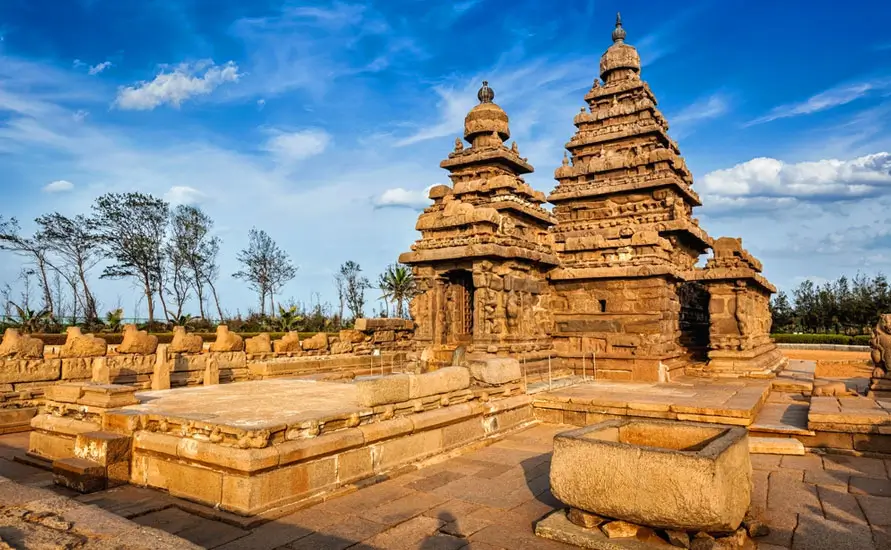
Continue to the Pancha Rathas, a remarkable group of monolithic structures carved from individual rock masses, before visiting the seaside Shore Temple. Its coastal location makes it visually distinct from the inland monuments visited earlier. Check into the hotel and enjoy the evening near the Bay of Bengal. Overnight stay in Mahabalipuram.
After breakfast, check out and begin the longer journey south towards Tanjore (Thanjavur). The transfer connects the Pallava heritage of northern Tamil Nadu with the heartland of the Cholas, whose architectural achievements form a major part of the next stage of the itinerary.
Use suitable comfort stops during the journey rather than attempting to fill the transfer with unrelated sightseeing. As the route moves farther south, the surrounding landscape increasingly reflects the agricultural plains and settlements of the Cauvery region.
Arrive in Tanjore and check into the hotel. Depending on arrival time, take a relaxed evening rather than rushing through the city's principal monuments. The major Chola and palace sights are reserved for the following day so they can be appreciated properly. Overnight stay in Tanjore.
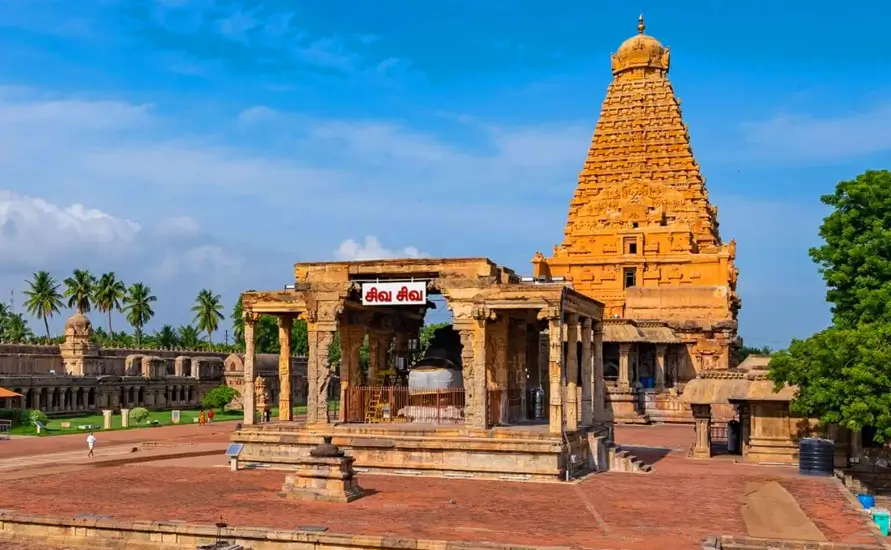
After breakfast, visit the magnificent Brihadeeswarar Temple, one of the defining monuments of Chola architecture. The vast temple complex, monumental tower and stone construction demonstrate the scale and technical sophistication achieved under the Cholas. As it remains an active place of worship, appropriate temple etiquette should be observed.
Continue to the Thanjavur Maratha Palace complex, subject to official opening schedules. Within the wider palace area, visit accessible sections such as the Saraswathi Mahal Library and museum collections where entry is permitted. These sites introduce later chapters of Thanjavur's courtly and intellectual history beyond the Chola period.
Spend the later part of the day learning about Thanjavur's artistic traditions, which are associated with painting, music and craftsmanship. Rather than adding a distant excursion, keep the evening within the city so the day remains focused on the cultural environment surrounding Tanjore. Overnight stay in Tanjore.
After breakfast, leave Tanjore and travel towards Swamimalai, a smaller temple town within the culturally rich Cauvery region. The shorter transfer creates a less demanding day after the previous stages of the journey.
Visit Swaminatha Swamy Temple, an important Murugan temple and one of the traditional Arupadai Veedu pilgrimage sites associated with Lord Murugan. The temple has an active religious function, so visitors should follow applicable dress, access and photography regulations.
Swamimalai is also known for traditional lost-wax bronze casting, a craft closely linked with South India's long history of producing metal icons. Where an appropriate workshop visit is available, observe the stages involved in this specialised craft without assuming that every workshop operates daily for visitors. Check into the accommodation and enjoy the evening at leisure. Overnight stay in Swamimalai.
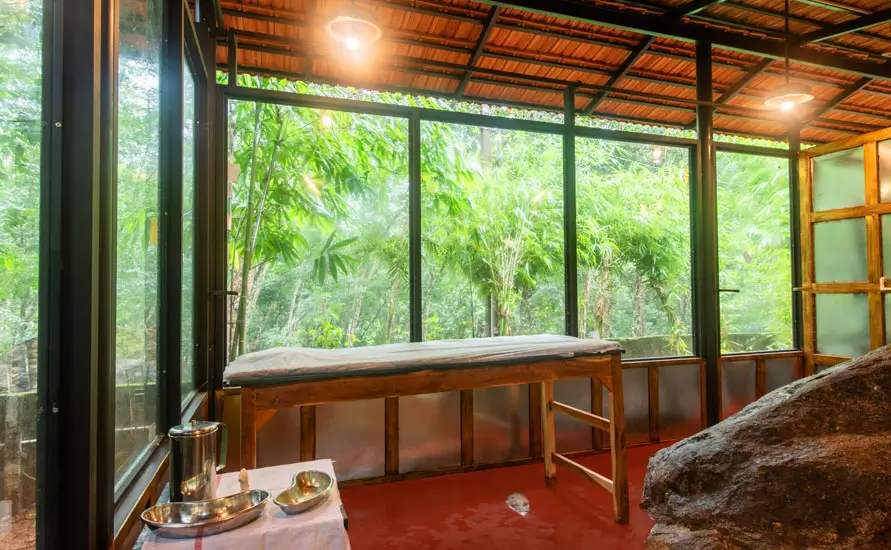
Begin the morning at an easier pace after several days of temple and road travel. Where the Ayurveda component is scheduled at the confirmed property, attend an initial Ayurvedic consultation and assessment with the available qualified practitioner. Relevant health history, lifestyle, medication and other individual factors may be reviewed before any therapy is recommended.
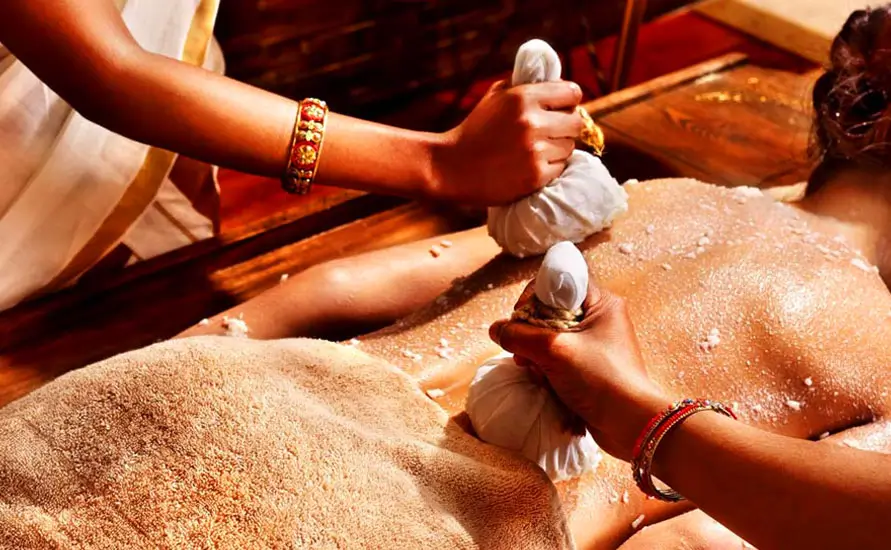
Proceed with a suitable Ayurvedic wellness therapy if advised and included in the confirmed programme. The exact procedure, duration and sequence should depend on professional assessment rather than being predetermined for all travellers. Allow sufficient time afterwards for rest and follow any instructions regarding bathing, meals, hydration and physical activity.
Later, if appropriate after treatment, spend additional time around Swamimalai's local surroundings or revisit the craft heritage associated with traditional bronze casting. Keep the day intentionally lighter than the earlier sightseeing schedule so that wellness and rest are genuine parts of the itinerary rather than brief additions between monument visits. Overnight stay in Swamimalai.
Begin the morning according to the routine recommended during the Ayurveda consultation. Attend the scheduled Ayurvedic wellness therapy, with the exact procedure continuing to depend on the practitioner's assessment, individual suitability and response to the previous session rather than following an identical treatment plan for every guest.
Allow adequate time for rest after the therapy and follow the centre's guidance concerning meals, hydration, bathing and physical activity. Keeping the day comparatively light provides a useful pause between the architecture-heavy first half of the journey and the forthcoming visit to Madurai.
Later, spend some quiet time around Swamimalai and the surrounding Cauvery countryside. If suitable and available, further interaction with the area's traditional bronze-casting workshops can provide a closer understanding of the skills involved in creating South Indian metal icons. Return to the accommodation for a relaxed evening. Overnight stay in Swamimalai.
After breakfast, leave Swamimalai and travel south towards Madurai, moving from the fertile Cauvery region into another historically important part of Tamil Nadu. The drive links two very different temple environments: Swamimalai's smaller pilgrimage setting and the dense urban fabric surrounding Madurai's celebrated shrines.
Arrive in Madurai and check into the hotel. After some rest, begin with Thirumalai Nayakkar Palace, subject to official opening hours. The surviving palace sections are associated with the Nayak rulers and are noted for their imposing columns, arches and large interior spaces.
Later, proceed towards the old city surrounding Meenakshi Amman Temple. Depending on the confirmed schedule and temple access conditions, an evening visit may provide an introduction to the active devotional atmosphere of the complex. Observe all religious, dress, security and photography regulations. Overnight stay in Madurai.
After breakfast, return for a detailed visit to Meenakshi Amman Temple, the architectural and spiritual centre of Madurai. Its monumental gateway towers, sculptural decoration, shrines and ceremonial spaces reflect centuries of patronage and continuing religious practice. Visitor access can vary within the active temple complex.
Continue to Gandhi Memorial Museum, subject to official opening hours. Located within the historic Tamukkam Palace complex, the museum provides a different perspective on Indian history and the independence movement, creating a contrast with the religious and dynastic heritage seen earlier in the day.
Later, visit Vandiyur Mariamman Teppakulam, the large temple tank associated with the nearby Mariamman shrine and local religious traditions. Spend the evening around Madurai's old-city streets and market surroundings, observing daily life around one of South India's longest-established urban centres. Overnight stay in Madurai.
After several days of cultural sightseeing and road travel, keep the final full day in Madurai deliberately slower. Where Ayurveda sessions are included at the confirmed wellness centre, begin with a follow-up consultation so the practitioner can review previous therapies and determine what is suitable for the day.
Proceed with the recommended Ayurvedic wellness therapy and allow adequate time for rest afterwards. The exact treatment should remain dependent on professional assessment. Where lifestyle or dietary guidance forms part of the confirmed programme, use the consultation to discuss practical recommendations rather than assuming that a short wellness programme provides a medical outcome.
Later, if appropriate after therapy, enjoy an unhurried visit around the city's traditional neighbourhoods or return to the surroundings of Meenakshi Amman Temple for a final look at Madurai's distinctive temple-centred urban character. Keep the evening free to rest before the following day's onward journey. Overnight stay in Madurai.
After breakfast, check out from the hotel and begin the scheduled journey from Madurai to Chennai. Depending on the confirmed travel arrangements, this sector may be completed by road, rail or a scheduled flight, with the final transfer organised accordingly.
If travelling by road, the day should primarily be treated as a long-distance transfer rather than filled with additional sightseeing. If travelling by scheduled flight or train, transfer to the appropriate terminal or station in sufficient time for the confirmed departure and continue to Chennai.
On reaching Chennai, connect with the onward departure arrangements or transfer to Chennai International Airport, railway station or the confirmed hotel as applicable. The thirteen-day journey concludes after linking Chennai, the temples of Kanchipuram, UNESCO-listed Mahabalipuram, Chola-era Tanjore, the craft traditions of Swamimalai, historic Madurai and a professionally guided Ayurveda wellness component.
Your Journey
N.S. Rathore & Mrs. Omlata Rathore · Managing Director
We still read every enquiry ourselves. Tell us the places you liked and our planners will send a day-by-day route with drive times and a clear price.
No ready-made packages and no pressure to book. A planner from our Kochi office replies within 24 hours with a route written for your group.
Fill this in and your planner will send a first draft itinerary.
Explore more
Kerala Backwaters Escape Kerala Backwaters Escape
 Kerala Backwaters Escape
 Kerala Backwaters Escape
 Kerala Backwaters Escape
 Kerala Backwaters Escape
 Kerala Backwaters Escape
 Kerala Backwaters Escape