 Kerala Backwaters Escape
Destination
Pondicherry, officially renamed Puducherry in 2006, is a seaside town on the Tamil Nadu coast that was the capital of French India for nearly three centuries. The French handed it over to India in 1954, but the influence is still easy to spot: mustard-yellow villas with white shutters, street names like Rue Dumas and Rue Romain Rolland, bakeries selling croissants, and policemen in red kepis. It sits about three and a half hours south of Chennai and feels like a different country after a few days in the big temple towns.
The town is divided by an old canal into two halves. East of it, toward the sea, is the French Quarter (often called White Town), with its tree-shaded streets, colonial mansions, and boutique hotels. To the west is the Tamil Quarter, where you'll find traditional houses with carved wooden doors and front verandas, busy markets, and Hindu temples. Walking between the two in a single morning is one of the simplest pleasures of Pondicherry tourism.
Just outside town is Auroville, an experimental international township founded in 1968, where people from dozens of countries live and work around the golden Matrimandir. Add the Sri Aurobindo Ashram, a long seafront promenade, good beaches nearby, and some of the best French and fusion cooking in India, and it's easy to see why many travelers on a South India private tour end up wishing they had booked an extra night here.
French Quarter, Promenade Beach, Sri Aurobindo Ashram, Auroville and Matrimandir, Basilica of the Sacred Heart, Manakula Vinayagar Temple
October – March.
Warm days, sea breezes, and the best café weather
2–3 Days.
Two days for the town, one more for Auroville and the beaches
Tamil, English, French
English is common; some older residents and signs use French
Pondicherry is one of the best places to eat in South India. Its signature style is Franco-Tamil (Creole) cuisine, a mix of French technique and local spices, seen in dishes like fish curry with French herbs, prawn assad (a mild coconut curry), and meen moilee. In the French Quarter, small bistros serve crêpes, quiche, baguettes, and pastries, and several bakeries make croissants that would pass muster in Paris. Seafood is excellent everywhere, from grilled catch of the day to crab masala. For local food, try a South Indian breakfast of idli and dosa in the Tamil Quarter, and don't skip a scoop of homemade ice cream on a hot afternoon. In Auroville, farm-to-table cafés serve organic salads, wood-fired bread, and cheese made by local dairies. Because Pondicherry is a Union Territory with its own tax rules, wine and beer are more widely available and cheaper here than in neighboring Tamil Nadu.
Shopping is relaxed and good quality. Auroville products are the standout: handmade paper, incense, natural soaps, candles, pottery, organic food, and clothing, sold at the Visitors Center and in shops around town. Sri Aurobindo Handmade Paper has a factory outlet where you can see paper being made. Boutiques in the French Quarter sell block-printed cotton, linen clothing, leather sandals, and home décor. Mission Street and Nehru Street are the main shopping streets for everything else, and the Sunday Market on M.G. Road is a sprawling street market for bargains. Prices in boutiques are fixed; in markets, polite bargaining is normal.
Read More +Like what you see? Let's plan it for you.
Private car, driver and hotels arranged around your dates. Reply within 24 hours.
Pondicherry
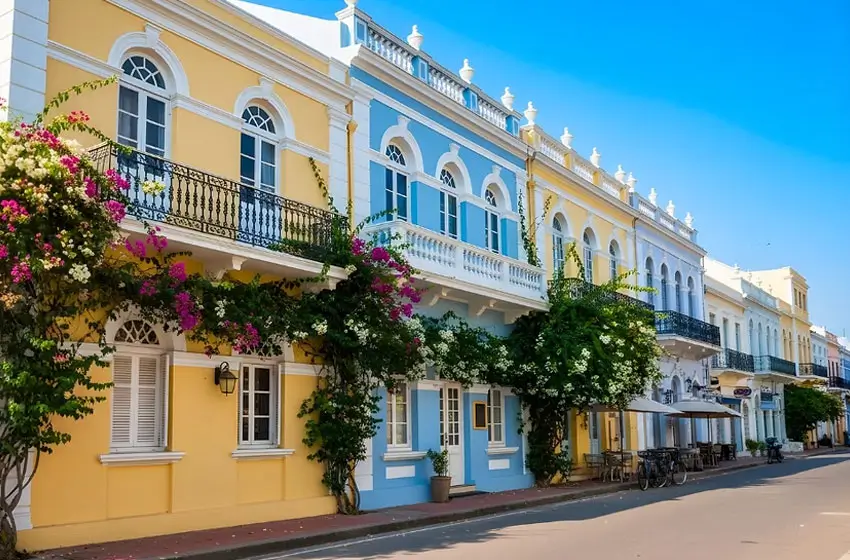
The French Quarter is the reason most people come to Pondicherry, and it's best seen slowly on foot. Its straight, grid-pattern streets run between the Promenade and the canal, lined with colonial villas painted in yellow, cream, and white, with bougainvillea spilling over the walls. Look for the French Consulate, the Lycée Français, the Hôtel de Ville (old town hall), and the Alliance Française, which still runs French classes and cultural events. Many grand houses have become boutique hotels, cafés, and design shops, so you can easily spend a morning wandering, stopping for coffee, and peeking into courtyards. Early morning, when the streets are quiet and the light is soft, is the best time for photographs. Heritage walks led by local guides explain the history of the old buildings and the people who lived in them.
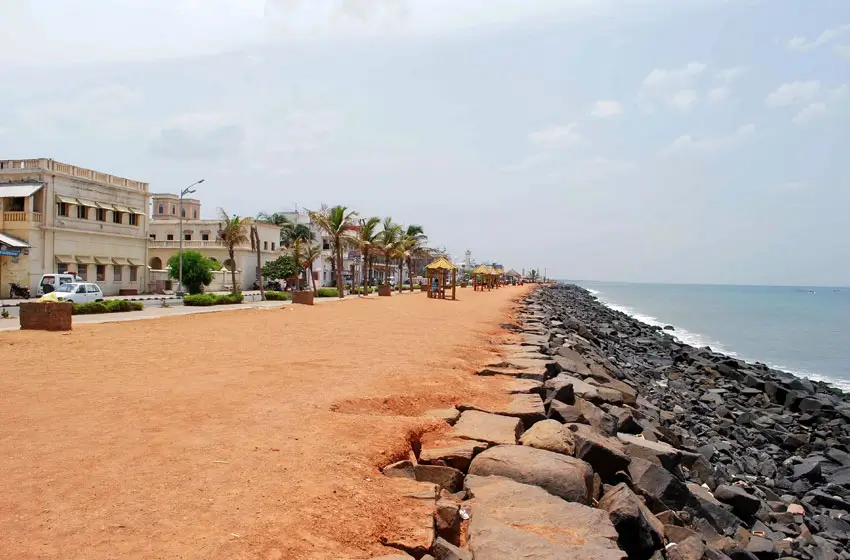
Promenade Beach, also known as Rock Beach, runs for about a mile along Goubert Avenue, the seafront road of the French Quarter. The shoreline is lined with large rocks rather than sand, so it's for walking, not swimming. In the early morning, locals jog, practice yoga, and buy fresh coffee from vendors, and in the evening the road is closed to vehicles, so the whole town comes out to stroll in the sea breeze. Along the way you'll pass the Gandhi Statue, the War Memorial honoring soldiers from World War I, the old lighthouse, and the Le Café seafront restaurant, open around the clock. Sunrise here, with fishing boats heading out on the Bay of Bengal, is a highlight.
Founded in 1926, the Sri Aurobindo Ashram is the spiritual heart of Pondicherry and the reason many Indian visitors come. It was established around the philosopher, poet, and former freedom fighter Sri Aurobindo and his French-born collaborator Mirra Alfassa, known as The Mother. The main building is in the French Quarter, and visitors can enter a calm courtyard to see the flower-covered samadhi (memorial shrine) where both are laid to rest. Silence is expected, photography is not allowed inside, and phones should be switched off. The ashram also runs a bookshop, a handmade paper workshop, and various guesthouses in town. Visiting hours are limited and break at midday, so check timings locally before you go.
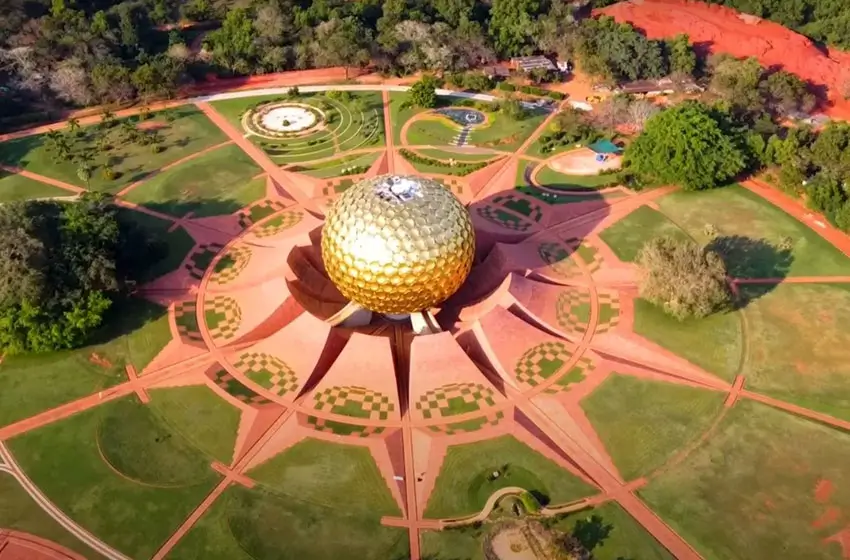
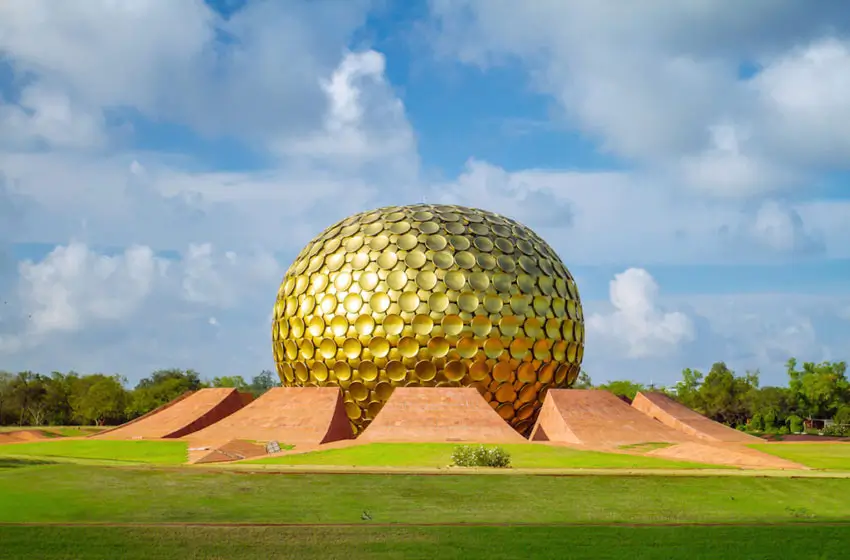
About 6 miles (10 km) north of town, Auroville was founded in 1968 by The Mother as a "universal township" where people of all nationalities could live together beyond the divisions of religion and politics. Today a few thousand residents from more than fifty countries live here, working in farming, education, renewable energy, crafts, and architecture. Your first stop should be the Auroville Visitors Center, which has an exhibition, cafés, and shops selling goods made by Auroville units. From there, a short walk through shaded forest leads to the Matrimandir viewing point, where you see the huge golden sphere at the center of the township. Free viewing passes are issued at the Visitors Center, and the center is generally closed on certain days, so confirm before you drive out.
Going inside the Matrimandir to its white meditation chamber is a different matter. It's meant for silent concentration rather than sightseeing, and visits need to be booked in person at Auroville, usually a day or more in advance, with your passport. Hotels and tour operators can't book on your behalf, and young children aren't allowed inside. If this matters to you, plan at least two nights in the area so you have time to register and return. The rules have changed over the years, so check the latest procedure with the Visitors Center.
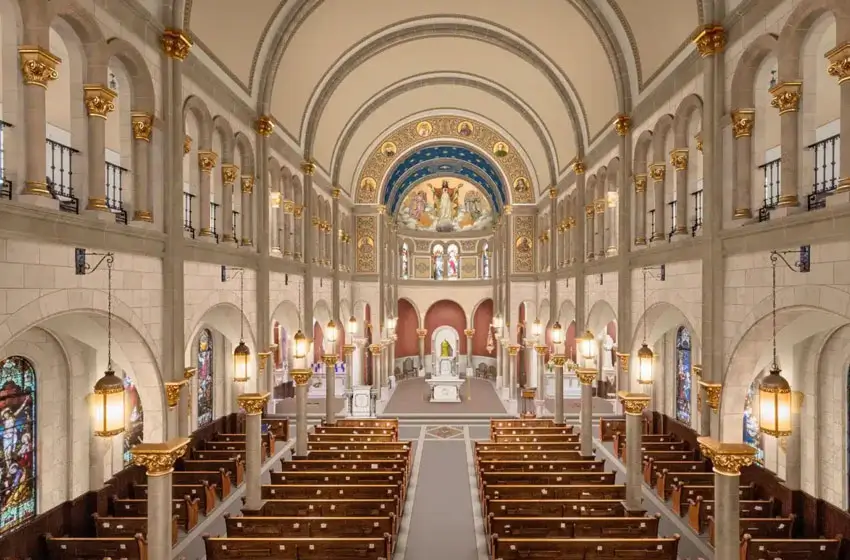
On the south side of town, the Basilica of the Sacred Heart of Jesus is one of Pondicherry's most striking buildings. Built in the early 20th century in Gothic Revival style, it has a brown and white facade, pointed arches, and a long row of stained-glass panels showing scenes from the life of Christ. Inside, the church is calm and filled with colored light in the afternoons. Mass is held regularly, so visit quietly and dress modestly.

Pondicherry has several old churches worth a short visit. The Immaculate Conception Cathedral on Mission Street dates back to the late 18th century and has a plain, elegant Jesuit facade in blue and white. Down by the seafront, Notre Dame des Anges (Our Lady of Angels), painted in soft pink and peach, is known for holding Mass in French, English, and Tamil. Together they tell the story of the town's long Catholic community.
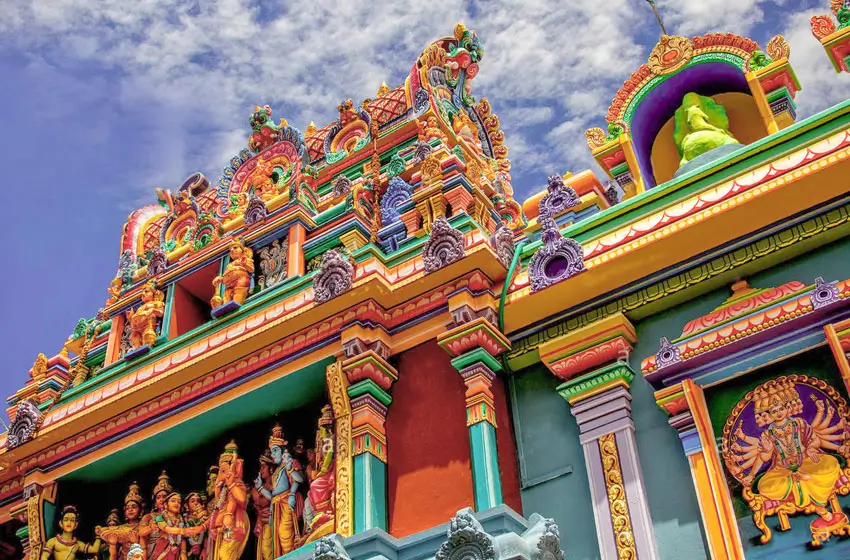
Just a block from the ashram, the Manakula Vinayagar Temple is a much-loved shrine to Lord Ganesha that predates the French settlement. Its walls and ceilings are covered with brightly painted panels showing the many forms of Ganesha, and the temple is busy from early morning with locals stopping on their way to work. The temple elephant, Lakshmi, was a favorite of visitors for many years until she died in 2022. Non-Hindus are welcome in most areas; remove your shoes at the entrance and follow the line of worshippers around the shrine.
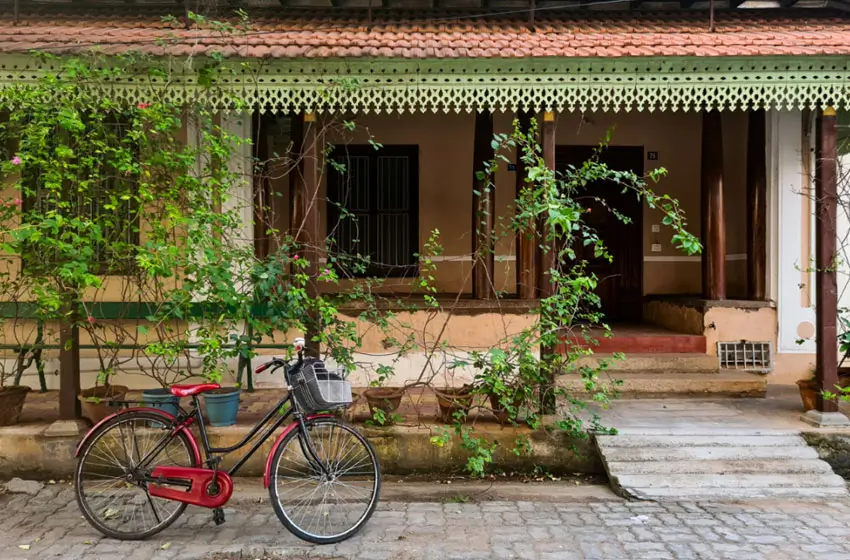
Cross the canal and the mood shifts. The Tamil Quarter has narrow streets of traditional houses, many with thinnai, the raised platforms at the front where neighbors sit and chat in the evenings. Look out for the restored heritage homes on streets near the Vysial Street area, and drop into the Goubert Market (Grand Bazaar) for flowers, spices, fresh fish, and fruit. It's busier and noisier than White Town, and it gives a far better sense of everyday Tamil life in Pondicherry.
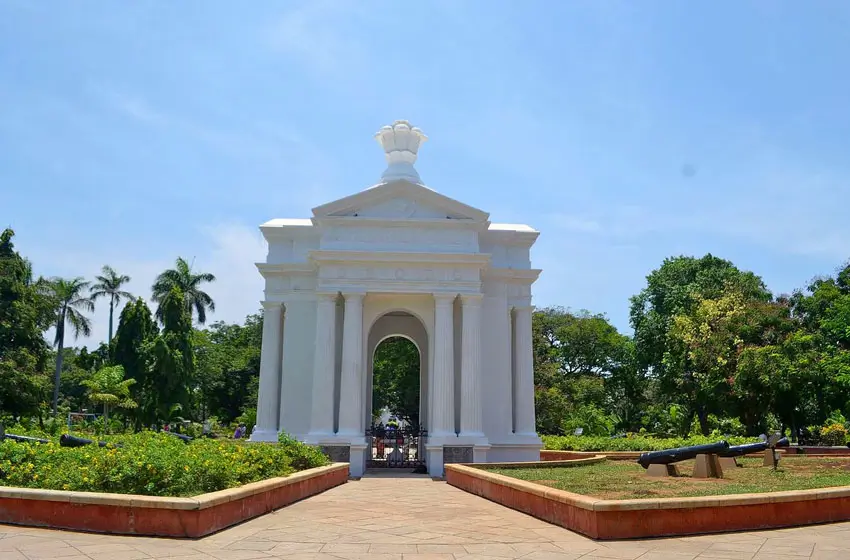
Facing the old government buildings, Bharathi Park is a shaded green square at the center of the French Quarter, with the white Aayi Mandapam monument in the middle, built during the reign of Napoleon III. Next door, the small Puducherry Museum holds finds from Arikamedu, an ancient trading port south of town where Roman pottery and beads have been excavated, along with bronzes, colonial furniture, and French-era objects. It's a good hour for history buffs.
Like what you see? Let's plan it for you.
Private car, driver and hotels arranged around your dates. Reply within 24 hours.
Getting there
Pondicherry is about 95 miles (150 km) south of Chennai along the East Coast Road.
Pondicherry Airport has a few domestic flights, including to Bengaluru and Hyderabad; most international travelers fly into Chennai, about 3.5 hours away by car
Puducherry Railway Station, on a branch line from Villupuram, with direct trains to Chennai Egmore and a few long-distance routes
East Coast Road from Chennai via Mahabalipuram (about 3.5 hours), with good highways to Chidambaram, Thanjavur, and Tiruvannamalai
Tours that include Pondicherry
Explore more
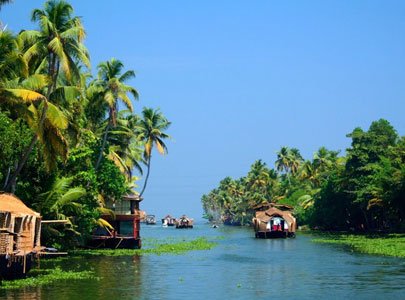
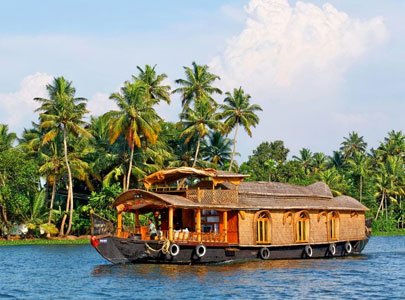
Kerala Backwaters Escape Kerala Backwaters Escape
 Kerala Backwaters Escape
 Kerala Backwaters Escape
 Kerala Backwaters Escape
 Kerala Backwaters Escape
 Kerala Backwaters Escape
 Kerala Backwaters Escape
 Kerala Backwaters Escape
 Kerala Backwaters Escape
 Kerala Backwaters Escape
 Kerala Backwaters Escape
N.S. Rathore & Mrs. Omlata Rathore · Managing Director
We still read every enquiry ourselves. Tell us the places you liked and our planners will send a day-by-day route with drive times and a clear price.
No ready-made packages and no pressure to book. A planner from our Kochi office replies within 24 hours with a route written for your group.
Fill this in and your planner will send a first draft itinerary.