 Kerala Backwaters Escape
South India Tour Packages
Bangalore - Mysore - Mudumalai - Wayanad - Calicut - Palakkad - Munnar - Periyar - Kumarakom - Alleppey - Cochin
At a glance
Dense forests, cool mountain country, spice-growing regions and Kerala's quiet waterways shape this 13-day journey across Karnataka, Tamil Nadu and Kerala. The Southern India Wildlife Tour Package begins in Bangalore and gradually moves towards landscapes where protected forests and the Western Ghats become an important part of the route. Rather than building the holiday around a single wildlife reserve, the itinerary connects several contrasting natural regions with historic cities, hill country and the backwaters of Kerala.
Mysore provides the cultural introduction before the journey enters the forest belt around Mudumalai and continues towards Wayanad. These sections of the trip bring travellers close to the wooded terrain of the Western Ghats, where wildlife habitats extend across state boundaries. The route later passes Calicut and Palakkad before climbing towards Munnar, replacing tropical lowlands with tea-covered slopes and a cooler mountain setting. Periyar adds another major nature-oriented stop, with its forested surroundings and long association with Kerala's wildlife tourism.
The closing section slows the pace considerably. Kumarakom and Alleppey introduce the waterways, villages and lake landscapes for which central Kerala is known, while Cochin brings the journey back to an urban setting with a strong maritime past. The resulting itinerary suits travellers looking for a South India wildlife and nature tour without spending every day inside a national park. Forest regions, hill stations, plantations, backwaters and historic destinations all form distinct stages of the same overland journey.
Arrive in Bangalore, where you will be met at the airport or railway station and assisted with your transfer to the hotel. Karnataka's capital serves as a practical starting point for a route that soon moves away from the large city towards palaces, forests and mountain country. After reaching the hotel, complete the check-in formalities and allow yourself sufficient time to recover from the journey. No demanding programme is necessary immediately after arrival, particularly for international travellers or guests connecting through another Indian city. The opening day is therefore kept measured, providing a comfortable beginning before the overland journey through southern India starts.
If your arrival schedule allows, the remaining hours can be used for a short introduction to Bangalore. The city combines established residential areas, public gardens, commercial districts and the rapidly developed urban landscape associated with modern Bengaluru. Depending on available time and your interests, a brief orientation drive can be arranged rather than attempting an extensive sightseeing programme. Such a drive provides useful context before leaving Karnataka's capital the following day. Guests arriving later in the evening can proceed directly to the hotel without losing any essential part of the main wildlife and nature itinerary.
Spend the evening at leisure and prepare for the drive to Mysore on the following morning. This is also a suitable time to discuss the upcoming route with your driver, particularly if you have specific interests related to photography, landscapes or wildlife. Since forest visits later in the itinerary can depend on official timings and locally available permits, maintaining a practical schedule is more useful than overloading the first day. Dinner can be taken at the hotel or a restaurant of your choice according to the booked meal plan. Overnight stay in Bangalore.
After breakfast, check out from the hotel and begin the drive from Bangalore to Mysore. The journey marks the first major transition of the tour, taking you away from Karnataka's busy capital towards a city long associated with the Wadiyar dynasty. Road conditions and traffic can influence travelling time, so the programme is kept flexible enough for comfortable stops along the way. As urban Bengaluru gradually recedes, the route passes through towns and stretches of the southern Karnataka countryside. On arrival in Mysore, proceed to your hotel, complete the check-in process and take a short break before beginning the local programme.
Mysore contributes a cultural dimension before the itinerary turns towards the wildlife areas of the Western Ghats. Depending on arrival time, sightseeing can include some of the city's principal landmarks, with Mysore Palace forming an important part of the visit when timings permit. Its grand halls, courtyards and richly worked interiors reflect the royal history for which Mysore remains widely known. The city is also associated with traditional crafts, silk, sandalwood products and a distinct cultural identity that developed around its former royal court. Rather than treating Mysore simply as an overnight halt, the itinerary gives travellers an opportunity to understand its place in Karnataka's history.
Later in the day, additional sightseeing or a drive through the city can be planned according to time and local opening hours. The streets around Mysore present a noticeably different atmosphere from Bangalore, with heritage structures and older commercial quarters forming part of the cityscape. Travellers interested in local markets may use some free time to look at regional produce, flowers, spices or handicrafts without turning the day into a shopping programme. Return to the hotel by evening and rest before entering the forest belt the next day. Overnight stay in Mysore.
Leave Mysore after breakfast and travel towards Mudumalai, with the scenery changing considerably as the road approaches the Nilgiri region. Agricultural land and settled areas gradually give way to more wooded surroundings, signalling the shift from the cultural beginning of the tour to its wildlife-focused section. Mudumalai lies within an ecologically important landscape connected with neighbouring forest areas across Karnataka, Tamil Nadu and Kerala. The drive itself becomes increasingly interesting as the route approaches this belt, although wildlife should never be expected on public roads or viewed as guaranteed. On arrival, proceed to the designated accommodation and settle into the quieter forest surroundings.
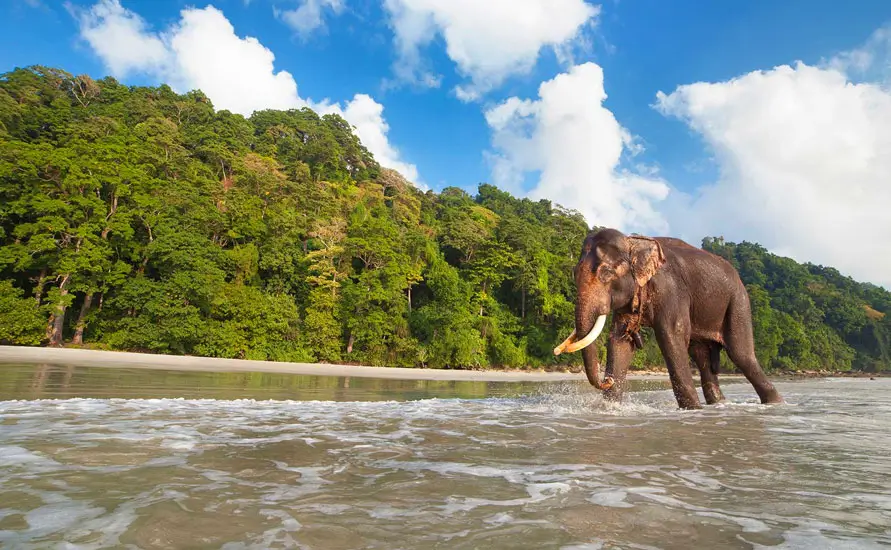
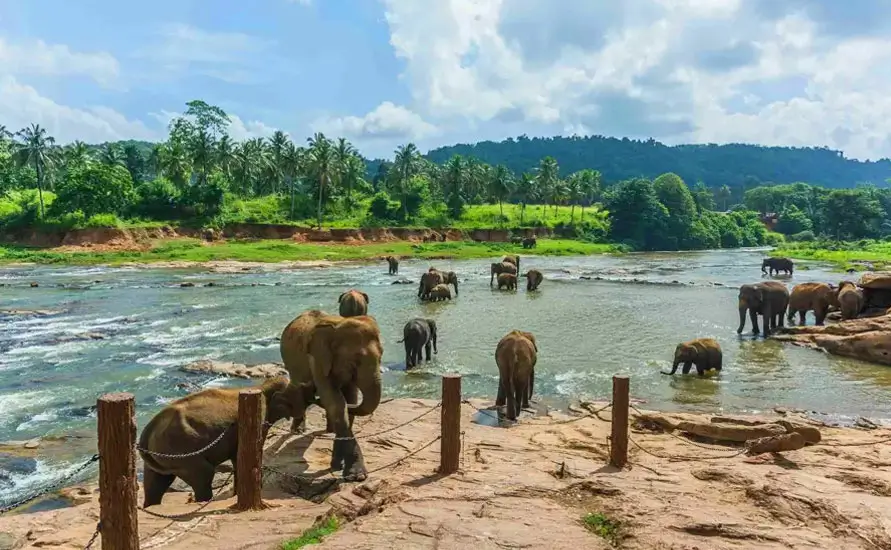
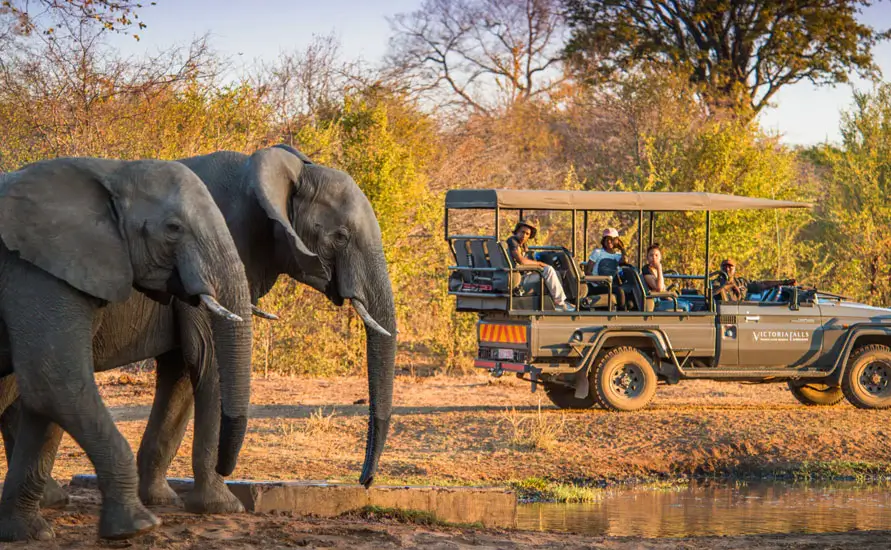
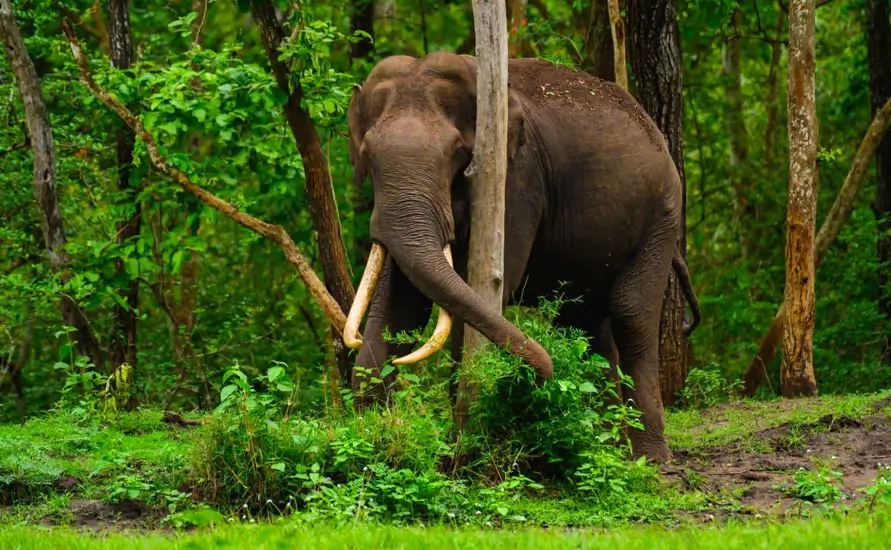
The Mudumalai region is known for habitats supporting a wide variety of South Indian fauna, including elephants, deer, gaur, primates and numerous bird species. Sightings, however, depend entirely on natural movement, season, weather and the regulations governing access to the protected area. Any safari or official forest activity should therefore be undertaken only through the authorised system operating locally at the time of travel. Instead of promising particular animals, the programme allows time to appreciate the habitat itself—the dry and moist forest sections, open patches, wooded slopes and the broader Nilgiri landscape that makes this region biologically significant.
The later hours can be spent enjoying the slower rhythm of the forest environment and observing birdlife or surrounding vegetation from permitted areas near the accommodation. Noise should be kept to a minimum, and travellers should follow all instructions issued by forest authorities and lodge staff. The contrast with the previous day's palace and city setting is considerable; within a short section of the itinerary, the surroundings have shifted from royal Mysore to one of southern India's notable forest regions. As daylight fades, return to your accommodation and keep the evening relaxed. Overnight stay in the Mudumalai region.
Begin the morning in Mudumalai, where an authorised wildlife activity may be considered if available and compatible with the day's onward schedule. Early hours often reveal the forest at its quietest, although no particular wildlife sighting can be assured. After breakfast and check-out, leave the Mudumalai region and continue towards Wayanad in Kerala. This sector is particularly important to the character of the itinerary because the journey crosses a landscape where forests do not simply stop at state borders. The broader Nilgiri and Western Ghats region forms an interconnected ecological zone, giving the drive greater significance than an ordinary transfer between two tourist destinations.
As you proceed towards Wayanad, the terrain remains predominantly green, with wooded sections, plantations, hill roads and rural settlements appearing along the route. Wayanad sits high in the Western Ghats and differs considerably from Kerala's better-known coastal and backwater regions. Agriculture and forest landscapes exist close together here, with coffee, spices and other crops contributing to the local economy. Stops can be made at appropriate points when road conditions and timing permit, but the programme avoids unnecessary detours that would make the journey tiring. On reaching your hotel or resort, check in and take time to absorb the highland surroundings.
The remainder of the day is deliberately lighter, particularly after travelling through winding hill and forest roads. Depending on arrival time, a short local visit or nature-oriented walk can be considered in an appropriate area, while travellers preferring a slower schedule may simply remain at the resort. Wayanad deserves attention for its landscape rather than a checklist of attractions, and the overnight stay provides a chance to appreciate the cooler air and quieter setting. Dinner can be arranged according to your chosen meal plan, followed by a restful evening. Overnight stay in Wayanad.
Wake to a full day in Wayanad, allowing the region to be seen as more than an overnight stop between Mudumalai and the Kerala lowlands. The day's programme can be shaped around prevailing local conditions, official access and the interests of the travellers. Wayanad contains protected forests as well as plantation country, agricultural villages and hilly terrain, producing a landscape in which cultivated and wild environments often sit close to one another. After breakfast, set out for the planned local visits with enough time between stops to avoid making the day unnecessarily hurried. Nature and landscape remain the central themes rather than conventional city sightseeing.
Where authorised wildlife activities are available, they may be considered subject to current forest department rules, permits, seasonal restrictions and operating schedules. Wildlife observation in Wayanad must be approached realistically: elephants, deer and other species inhabit the region, but their presence cannot be scheduled for visitors. Birdlife, forest vegetation and the changing terrain can be equally rewarding, particularly for travellers interested in natural history and photography. Plantation areas add another perspective, showing how coffee, pepper and other crops are grown in the highlands. Any plantation visit should be arranged only where visitor access is permitted.
Later in the day, spend time seeing another side of Wayanad through its rural scenery and mountain environment. The region's appeal comes partly from the distance between its settlements and the sense of space created by hills, valleys and extensive greenery. Depending on the final operating plan, suitable local viewpoints or other nature-based locations can be incorporated without forcing too many stops into a single day. Return to the hotel or resort before nightfall and use the evening to relax after a day outdoors. Overnight stay in Wayanad.
After breakfast, leave Wayanad and begin the descent towards Calicut (Kozhikode). The road from the highlands towards the Malabar region creates one of the itinerary's clearest geographical changes, as the cooler hill environment gradually gives way to the warmer lowlands of northern Kerala. Forested slopes, bends and changing vegetation make the journey visually interesting, but travel time can vary with road and traffic conditions. Suitable breaks can be taken during the descent so that the transfer remains comfortable. On reaching Calicut, proceed to the hotel and complete the check-in formalities.
Calicut introduces the coastal and trading history of Kerala after several days centred on inland forests and mountains. The city has long-standing associations with maritime commerce and the movement of spices and other goods across the Arabian Sea. Depending on arrival time, a local orientation can be arranged to see parts of the city and waterfront rather than treating Calicut solely as a transit stop. The urban setting also provides a useful contrast with Wayanad: busy streets and commercial activity replace the dispersed settlements and plantation country of the previous days. Travellers interested in regional food will find the Malabar culinary tradition another distinctive element of this stop.
By late afternoon or evening, time may be spent near an appropriate waterfront area or local market according to the day's schedule and conditions. The intention is not to pack the short Calicut stay with numerous attractions, but to provide a glimpse of northern Kerala's coastal character before travelling inland again. Dinner is at leisure unless included in the confirmed package, and the evening can be kept free for rest. Prepare for the next day's drive through Palakkad and onwards towards Munnar, which will again change the terrain considerably. Overnight stay in Calicut.
Check out after breakfast and depart from Calicut for Palakkad, travelling inland through Kerala. The day's route moves away from the Malabar coast and towards an area historically important as a passage between Kerala and neighbouring Tamil Nadu. As the journey progresses, the surroundings shift through towns, agricultural stretches and countryside, offering another view of the state's geography beyond its familiar beaches and backwaters. The drive is treated as part of the tour rather than dead travel time, with sensible comfort stops planned along the way. Arrive in Palakkad and proceed with the local programme according to available time.
Palakkad has a character shaped by its location near the broad natural gap in the Western Ghats commonly associated with movement and exchange between the two sides of the mountain range. Depending on the final schedule, time can be devoted to selected local landmarks or a short orientation around the town and surrounding landscape. The destination does not rely on a large concentration of headline tourist sites; instead, it provides geographical continuity between northern Kerala and the hill regions visited later in the tour. This makes the stop useful within a long overland itinerary, particularly for travellers interested in seeing how landscapes change between major destinations.
Use the latter part of the day to rest and prepare for the journey towards Munnar. After consecutive days involving forests, hill roads and coastal travel, maintaining a balanced pace becomes important, especially on a 13-day itinerary. An early evening at the hotel allows travellers to avoid fatigue before the longer onward sector. Dinner can be taken at the hotel or a convenient local restaurant according to the booked arrangements. Overnight stay in Palakkad, with the Western Ghats again becoming the focus of the journey on the following day.
Leave Palakkad after breakfast and travel towards Munnar, beginning a scenic transition into Kerala's high ranges. The journey passes from lower agricultural country towards increasingly mountainous terrain, with the air and vegetation changing as elevation rises. Road conditions in the hills naturally require a slower pace, and travelling time should be considered part of the experience rather than something to be shortened aggressively. Small settlements, cultivated slopes and sections of forest appear along the route as you approach Munnar. Appropriate comfort and photography stops can be taken where parking is safe and local conditions allow.
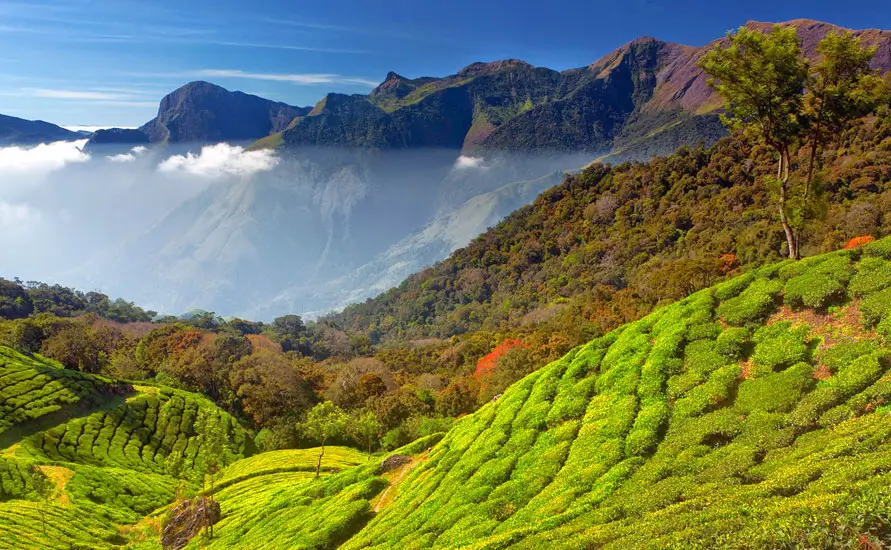
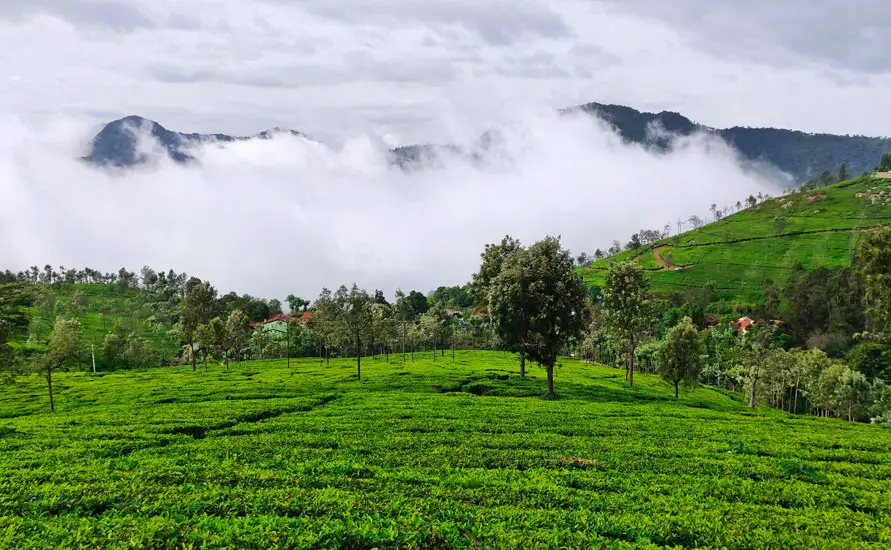
Munnar developed around its high-altitude plantation landscape and remains strongly identified with extensive tea-growing estates. As the road approaches the hill station, carefully arranged rows of tea bushes begin to cover the slopes, producing a visual pattern quite different from the natural forest country encountered around Mudumalai and Wayanad. The surrounding hills also form part of the wider Western Ghats ecosystem, giving Munnar relevance to a tour built around landscapes and nature rather than making it merely a conventional hill-station stop. On arrival, transfer to the hotel or resort and complete check-in.
Keep the rest of the day relatively easy after the drive from Palakkad. Depending on the arrival hour, you can take a short local drive through the plantation surroundings or simply spend time at the property enjoying the cooler mountain climate. The following part of the itinerary continues through Munnar before moving towards Periyar and Kerala's backwater country, so there is no need to compress every available activity into the arrival evening. As daylight softens over the surrounding hills, settle in for a quiet evening and prepare for the next stage of the Southern India wildlife tour. Overnight stay in Munnar.
Begin the morning with breakfast at the hotel before setting out to see the landscapes that define Munnar. Tea plantations spread across rolling slopes around the hill station, forming a cultivated mountain environment that has developed over generations. The day's drive takes you through sections of this plantation country, where changes in elevation continually open new views across valleys and surrounding hills. Rather than rushing between viewpoints, sufficient time can be allowed at selected locations to appreciate Munnar's terrain and cooler climate. The mountain setting provides a marked contrast to the coastal plains, forests and towns already covered during the journey.
Subject to local timings and the day's programme, sightseeing can include Mattupetty Dam and Reservoir, where the surrounding hills create a broad open landscape away from the busier central areas of Munnar. Continue through the countryside towards suitable viewpoints and natural locations, with stops determined by weather, traffic and accessibility. Travellers interested in tea can also learn more about the crop that has shaped the appearance and economy of the region. Tea estates are working plantations, so access to individual properties or factory areas depends on their current visitor arrangements rather than being automatically available throughout the year.
The afternoon can be used for additional sightseeing around Munnar or some free time in the town before returning to the hotel. Nature enthusiasts may also be interested in the wider ecology of the high ranges, which differs from the lower forest habitats encountered earlier in the tour. Wildlife sightings are never assured, and visits to protected areas remain dependent on official access rules, but the surrounding Western Ghats landscape itself remains an important part of the journey. After completing the day's programme, return to the hotel for a relaxed evening among the hills. Overnight stay in Munnar.
After breakfast, leave Munnar and drive towards Periyar, also known through the neighbouring tourism centre of Thekkady. The road travels through Kerala's hill country, passing plantation areas, valleys, spice-growing regions and settlements scattered across the slopes. Cardamom, pepper and other crops have long been associated with this part of Kerala, giving the route a character quite different from Munnar's tea-dominated landscape. The winding roads require an unhurried drive, allowing time for suitable breaks and photographs where stopping is safe. Arrive in Thekkady and transfer to your hotel or resort for check-in.
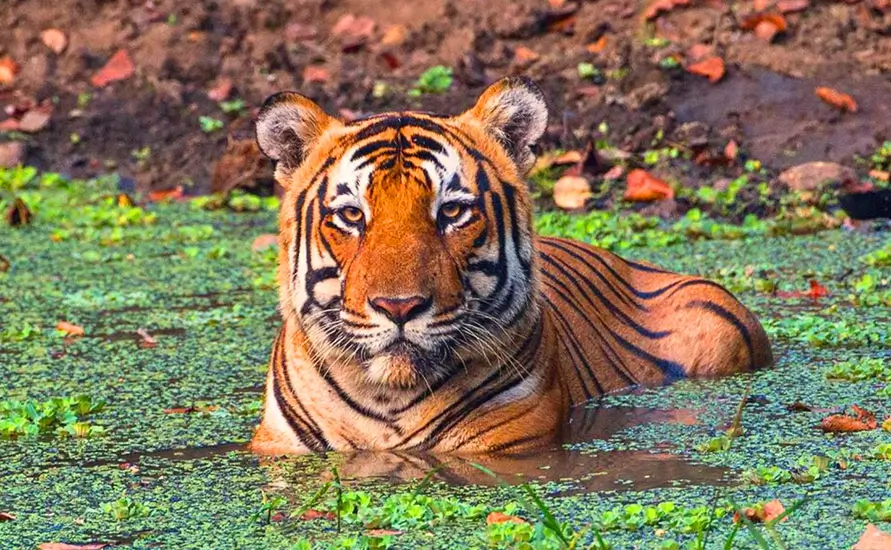
Periyar is one of the major nature-oriented stops on the itinerary and is associated with the protected forest surrounding Periyar Tiger Reserve. The reserve supports a diverse ecosystem, but responsible wildlife tourism requires realistic expectations. No particular species can be promised, and all forest activities depend on official rules, permits, seasonal conditions and the programmes authorised at the time of travel. Depending on availability, guests may choose an approved nature activity or visit an authorised spice plantation in the surrounding area. A plantation visit can provide useful insight into the cultivation of cardamom, pepper, cinnamon, cloves and other crops connected with Kerala's historic spice trade.
Spend the later hours enjoying the forested atmosphere around Thekkady rather than treating the destination only as another sightseeing stop. The soundscape, vegetation and cooler hill climate contribute as much to the character of Periyar as any individual attraction. If an official boating or nature programme is included in the confirmed arrangements, its timing will be coordinated according to the applicable schedule and availability. Otherwise, the evening remains free to walk through permitted local areas or rest at the resort. Return to the hotel after the day's activities and stay overnight in Periyar/Thekkady.
Following breakfast, check out and begin the journey from Periyar towards Kumarakom. Today's drive creates another substantial change in landscape as the route descends from Kerala's spice-growing hills towards the low-lying waterways around Vembanad Lake. Mountain roads and plantation country gradually give way to denser settlements, agricultural areas and the humid tropical scenery of central Kerala. The transition is one of the strengths of this Southern India tour, demonstrating how quickly the state's geography can change within a relatively short distance. Comfort stops can be arranged along the route before continuing towards the Kumarakom area.
Kumarakom sits beside Vembanad Lake, where water has shaped local transport, agriculture and settlement patterns for generations. After arrival, check in at the hotel or resort and allow some time to rest. The surroundings here feel markedly different from Periyar: forested hills are replaced by open water, palms, canals and low-lying countryside. Depending on arrival time and the confirmed programme, the afternoon can include a gentle introduction to the lake environment or simply some leisure time at the property. Keeping the schedule light also provides a welcome change of pace after several consecutive days of road travel and nature sightseeing.
Birdlife is another notable element of the Kumarakom region, particularly around wetland habitats and quieter waterside areas, although species and sightings vary by season and natural conditions. Travellers interested in photography can spend the later part of the day observing changing light across the lake and surrounding vegetation from permitted locations. There is no need for intensive sightseeing here; Kumarakom is included primarily to appreciate the slower rhythm of Kerala's backwater landscape. As evening approaches, return to your accommodation and enjoy a peaceful night beside the waterways. Overnight stay in Kumarakom.
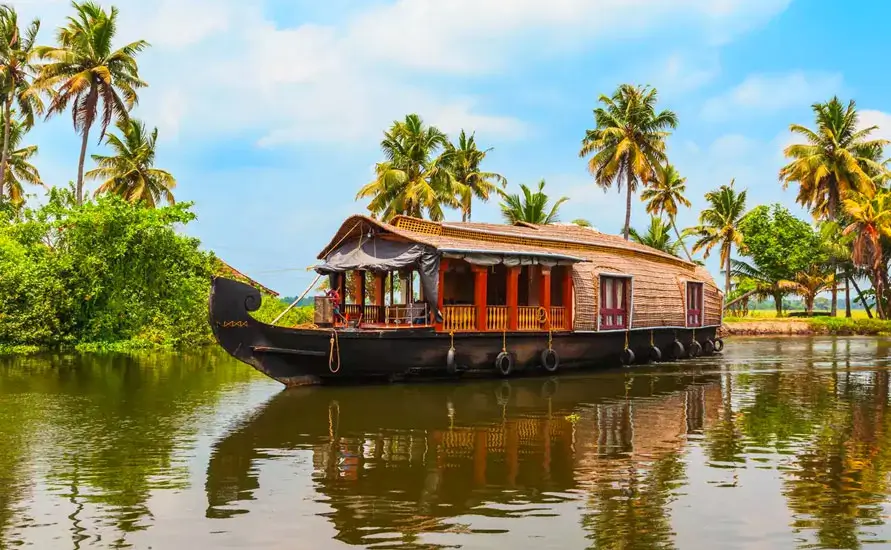
Enjoy breakfast before leaving Kumarakom for Alleppey (Alappuzha), one of Kerala's best-known backwater destinations. Although the road distance is comparatively manageable, the atmosphere changes as you move deeper into a region shaped by canals, lagoons, paddy fields and waterways. Alleppey's relationship with water extends far beyond tourism; canals have traditionally connected communities, agricultural areas and trading points across this low-lying part of Kerala. On arrival, proceed according to the confirmed accommodation arrangement, which may include a hotel, resort or houseboat depending on the package selected at the time of booking.
A backwater cruise, when included in the confirmed programme, offers a different perspective on Kerala from the roads used during most of the journey. Moving along the waterways reveals houses facing canals, small landing points, coconut palms, narrow strips of cultivated land and boats used for everyday transport. Sections of the route may pass near paddy-growing areas where farming has adapted to the region's unusual geography. The purpose of the cruise is not constant organised entertainment; much of its value comes from watching ordinary life unfold along the banks at a naturally slower pace. The exact cruising route depends on the operator, water conditions and local regulations.
As the afternoon progresses, settle into the quieter tempo of Alleppey's backwater country. If staying aboard a houseboat, meals and cruising arrangements will follow the services confirmed for your booking, with the vessel generally anchoring in an authorised area later in the day. Guests using hotel accommodation can follow the backwater programme arranged separately and return to their property afterward. Sunset over the waterways brings a calm conclusion to a day very different from the forest and mountain sections earlier in the itinerary. Overnight stay in Alleppey or aboard the confirmed houseboat, according to the final booking plan.
Begin the final morning with breakfast and prepare to leave Alleppey for Cochin (Kochi). If the previous night has been spent on a houseboat, disembark according to its scheduled morning programme and meet your driver at the designated point. The journey towards Cochin brings the tour back into a more urban environment after the waterways and rural scenery of central Kerala. Depending on your onward flight or train timing, the drive can proceed directly to the airport or railway station, or limited sightseeing can be considered when sufficient time is available. Departure requirements will always take priority over optional stops.
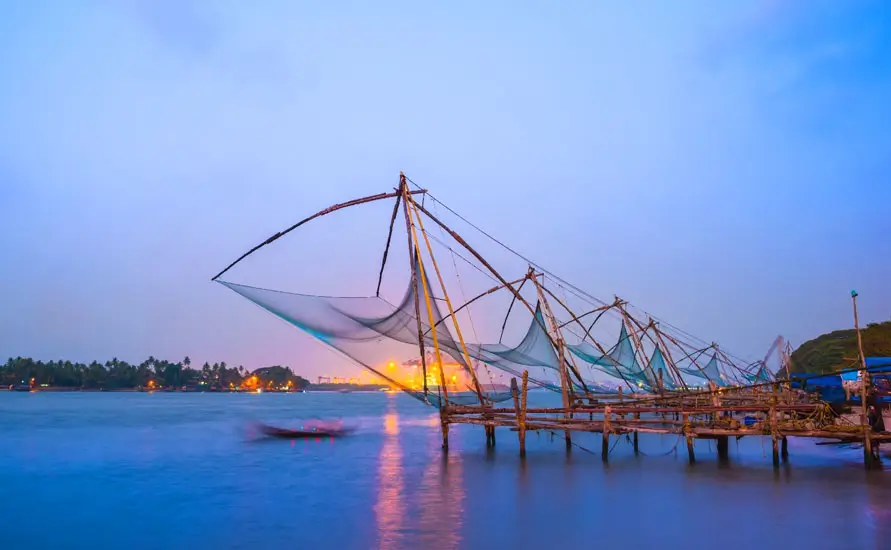
When timings permit, Cochin provides an appropriate final glimpse of Kerala's long connection with maritime trade. Historic quarters around Fort Kochi and Mattancherry contain architectural and cultural traces associated with communities and trading networks that reached the Malabar Coast over many centuries. Any sightseeing on the departure day must remain flexible because traffic and airport reporting times can affect the available window. Travellers with an evening departure may have more scope for a short orientation, while those leaving earlier will proceed directly to their departure point without compromising the travel schedule.
Continue to Cochin International Airport or the appropriate railway station for your onward journey. By this stage, the route has crossed major variations in southern India's geography: Karnataka's urban and royal centres, the forest belt around Mudumalai and Wayanad, northern Kerala, the tea-covered hills of Munnar, Periyar's spice and wildlife country, and finally the waterways of Kumarakom and Alleppey. Your private transportation services conclude with the scheduled drop in Cochin. The 12 Nights 13 Days Southern India Wildlife Tour Package ends here.
Your Journey
N.S. Rathore & Mrs. Omlata Rathore · Managing Director
We still read every enquiry ourselves. Tell us the places you liked and our planners will send a day-by-day route with drive times and a clear price.
No ready-made packages and no pressure to book. A planner from our Kochi office replies within 24 hours with a route written for your group.
Fill this in and your planner will send a first draft itinerary.
Explore more
Kerala Backwaters Escape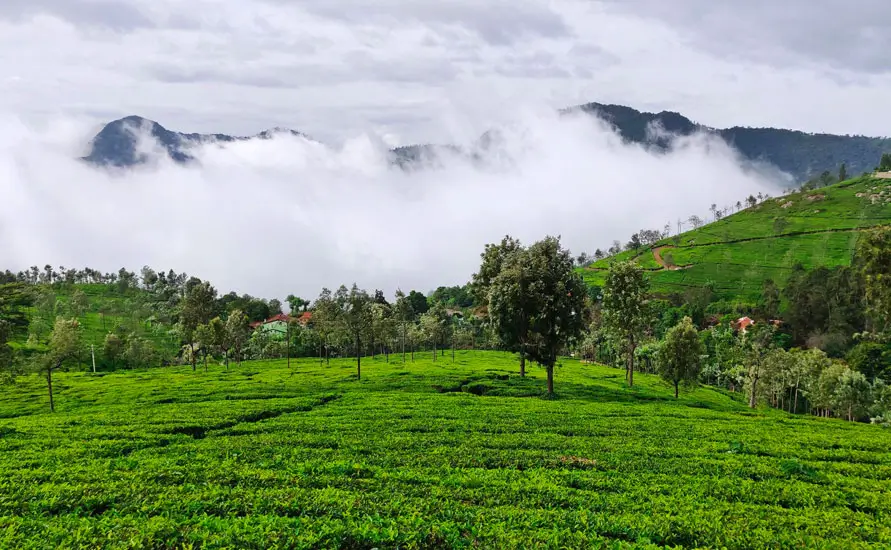 Kerala Backwaters Escape
 Kerala Backwaters Escape
 Kerala Backwaters Escape
 Kerala Backwaters Escape
 Kerala Backwaters Escape
 Kerala Backwaters Escape
 Kerala Backwaters Escape
 Kerala Backwaters Escape
 Kerala Backwaters Escape