
 Kerala Backwaters Escape
Destination
High on the Western Ghats in north-east Kerala, Wayanad is a district of rolling tea gardens, pepper vines, rice paddies, and thick forest that runs straight into the wildlife parks of Karnataka and Tamil Nadu. Its plateau sits mostly between 2,300 and 7,000 feet (about 700 to 2,100 m), which keeps the air cooler than the Kerala coast and makes it a favorite getaway for families from Kozhikode, Bangalore, and Mysore.
What sets Wayanad apart from the better-known Kerala hill station of Munnar is its variety. In a single day you can climb to a cave covered in Stone Age carvings, drive through a wildlife sanctuary where elephants graze by the road, visit a medieval Jain temple, and sleep in a treehouse or a bamboo cottage among spice gardens. The district also has a large tribal population, including the Paniya, Kurichiya, and Kattunaikka communities, whose farming and forest traditions still shape life in the villages.
For foreign travelers, Wayanad tourism is about slowing down. It's not a place of big monuments, but of morning walks through plantations, misty viewpoints, waterfalls after the monsoon, and very good Kerala food cooked with local spices. Because it sits right between Kabini, Coorg, Mysore, and Ooty, Wayanad fits naturally into a South India private tour that links Karnataka's wildlife with Kerala's backwaters and beaches.
Edakkal Caves, Chembra Peak, Banasura Sagar Dam, Pookode Lake, Muthanga Wildlife Sanctuary, Thirunelli Temple
October – May
Cool, dry weather for walks and treks
2 Days
Add 1 day for a trek or a slow resort stay
Malayalam, English.
English spoken at resorts and by guides
Wayanad's food blends Malabar cooking from the Kerala coast with the produce of the hills. Breakfast often includes appam with vegetable or egg stew, puttu (steamed rice cake) with spiced chickpeas, and idiyappam (string hoppers). For lunch, a traditional Kerala sadya or a rice meal with fish curry is common. Meat eaters should try Malabar biryani, made with short-grained jeerakasala rice, and spicy chicken or beef fry cooked in coconut oil. Local specialties include bamboo rice, which comes from the seeds of flowering bamboo, and dishes using jackfruit, tapioca, and wild greens. Wash it all down with Wayanad tea or coffee and fresh banana chips as a snack.
Wayanad is one of Kerala's main spice-growing areas, so black pepper, cardamom, cloves, coffee, tea, and honey are the best buys. Prices are good and quality is high, especially at plantation shops and government-backed outlets. Bamboo crafts made by local artisans, such as baskets, lamps, and home décor items, are another good souvenir. For organic produce and local products, look for small cooperative stores in Kalpetta and Sulthan Bathery. You'll also find Ayurvedic oils and herbal products sold in town and at resorts.
Read More +Like what you see? Let's plan it for you.
Private car, driver and hotels arranged around your dates. Reply within 24 hours.
Wayanad
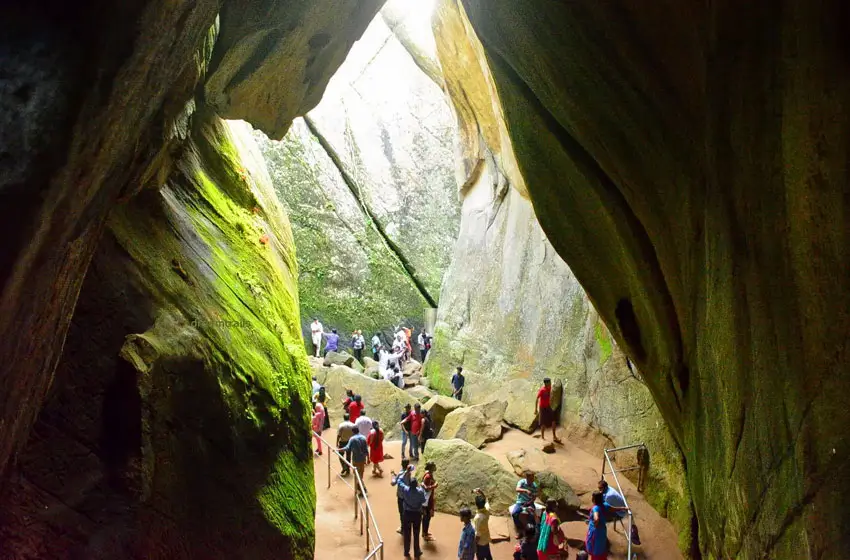
The Edakkal Caves are the best-known sight in Wayanad and one of the most important prehistoric sites in South India. They're not true caves but a deep cleft formed when a huge boulder split and lodged between two others on Ambukuthi Mala, near Sulthan Bathery. The rock walls inside are covered with carvings of human figures, animals, wheels, and symbols, some believed to date back thousands of years, along with later inscriptions. Reaching the caves takes a steep walk of about a mile from the parking area, followed by stairs and iron ladders, so you'll need reasonable fitness and good shoes. Go early, as visitor numbers are limited per day. The caves are closed on Mondays.
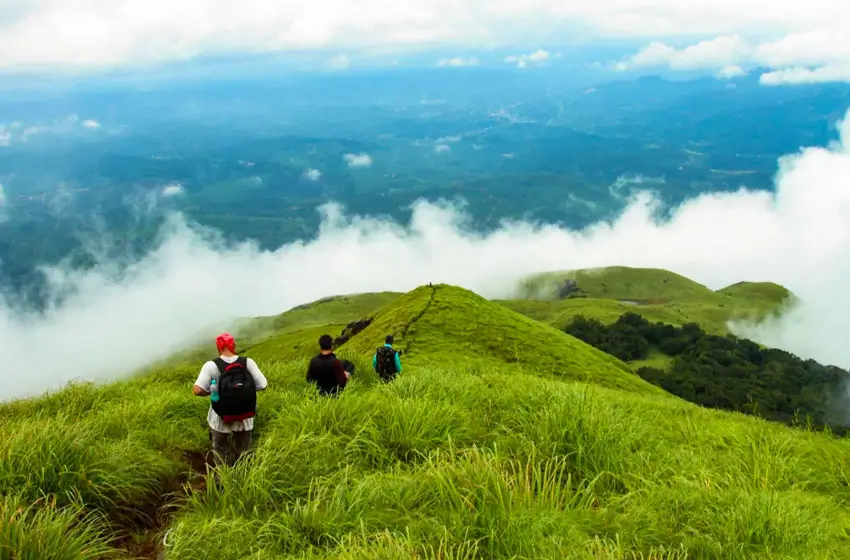
At about 6,900 feet (2,100 m), Chembra Peak is the highest point in Wayanad and the best-known trek in the district. The trail climbs through tea estates and open grassland to a small heart-shaped lake about halfway up, which has become a favorite photo spot. The trek is managed by the forest department with a guide, permit, and daily limit on numbers, and access to the upper sections or the whole trail can be closed at times for safety or conservation reasons. Check the current status before you plan around it. Start in the early morning, carry water, and allow about four to five hours for the round trip.
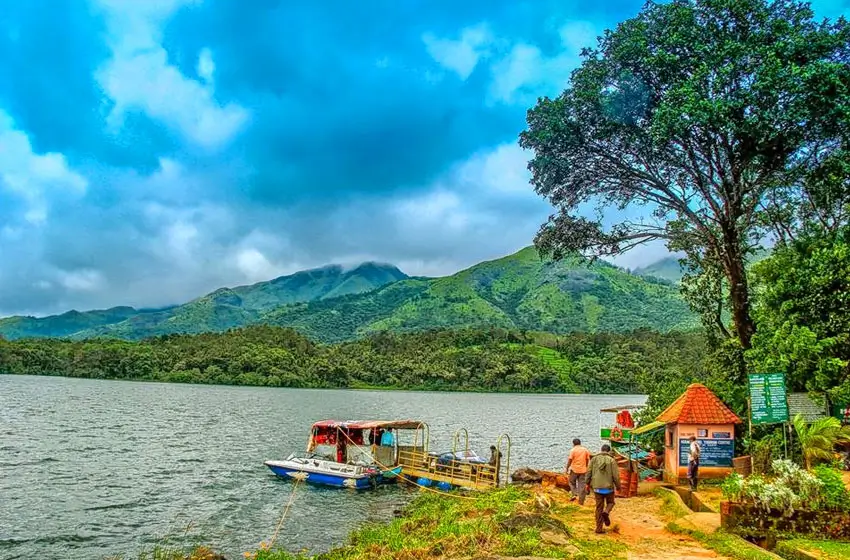
Banasura Sagar is said to be the largest earthen dam in India, built across a tributary of the Kabini River. The reservoir is dotted with small islands that were once hilltops, and the Banasura Hills rise steeply behind them. You can take a speedboat ride on the reservoir or simply walk along the dam wall for wide views. The area is also the starting point for a challenging trek up Banasura Hill, which needs a forest permit and guide. Late afternoon offers the softest light and fewer crowds.
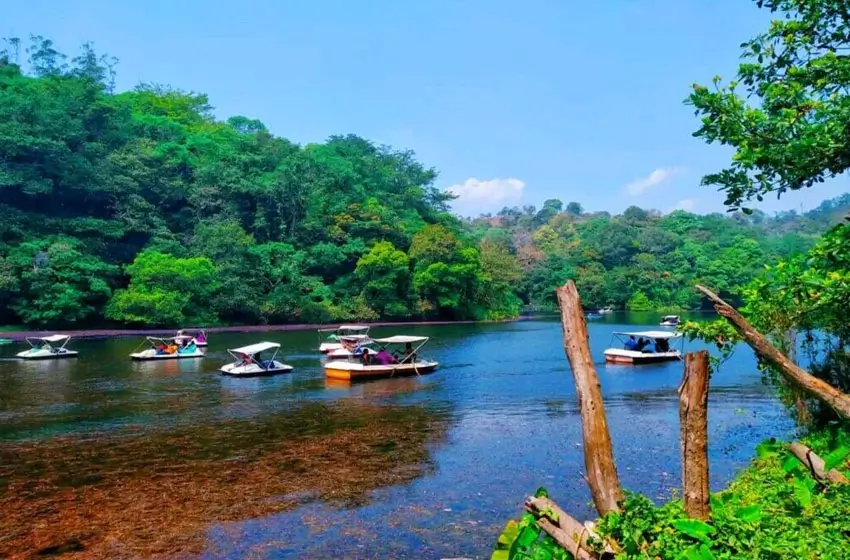
About 9 miles (15 km) from Kalpetta, Pookode Lake is a small freshwater lake surrounded by evergreen forest. A walking path circles the shore, and you can hire a pedal boat or rowboat for a slow paddle among the water lilies. It's a gentle stop that suits families and anyone looking for a break from driving. A small shop near the entrance sells local spices, honey, and handicrafts. Weekends get busy with Indian day-trippers, so a weekday morning is calmer.
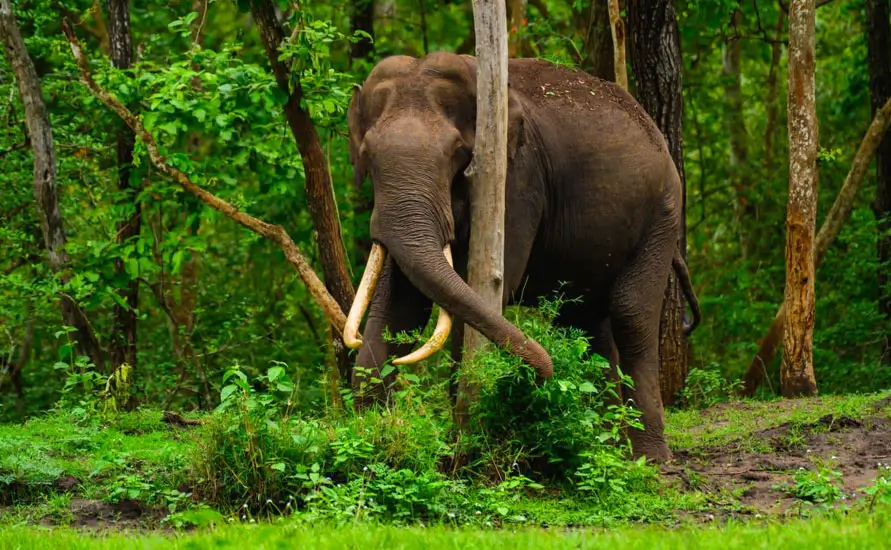
Muthanga forms the eastern part of the Wayanad Wildlife Sanctuary and borders Bandipur in Karnataka and Mudumalai in Tamil Nadu. The forest department runs short jeep safaris through the sanctuary in the morning and afternoon, with a limited number of vehicles allowed. Elephants, spotted deer, gaur, langurs, and many birds are commonly seen, and tigers and leopards are present, though sightings are much rarer than at Kabini. The main highway to Mysore also runs through the forest, so you may spot elephants from the road. The sanctuary can close in the dry summer months because of fire risk, so check timing before you go.
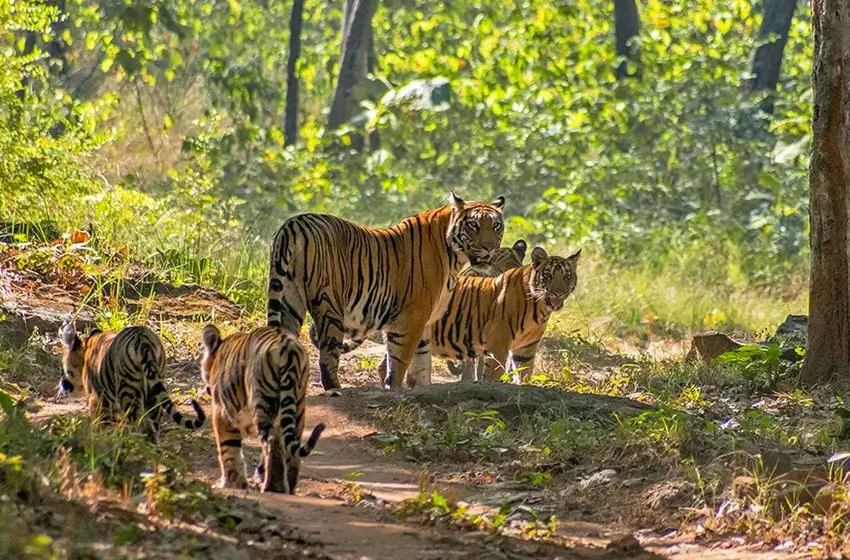
In north Wayanad, close to the Karnataka border and Nagarhole, Tholpetty is the second safari zone of the Wayanad sanctuary. It's often quieter than Muthanga and pairs well with a visit to Thirunelli Temple nearby. Jeep safaris here follow forest tracks through bamboo and moist deciduous forest, with good chances of seeing elephants and gaur.
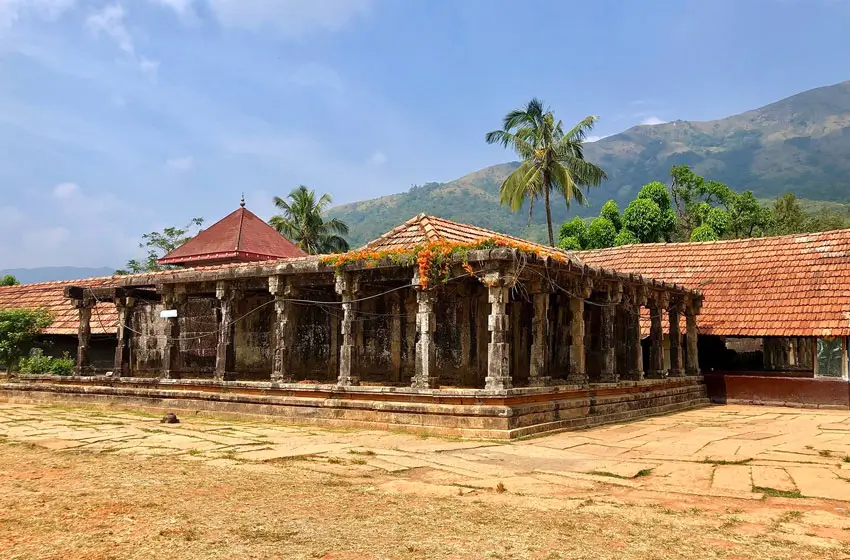
Set in a forest valley under the Brahmagiri Hills, the Thirunelli Temple is an ancient shrine dedicated to Lord Vishnu, sometimes called the "Kashi of the South." Its granite pillars, Kerala-style tiled roofs, and quiet setting make it very different from the large temple complexes of Tamil Nadu. Hindus come here to perform rites for their ancestors at the nearby Papanasini stream. Non-Hindus may not be allowed into the inner temple, but the surroundings and the walk to the stream are worth the trip. Dress modestly; men may be asked to remove their shirts in some areas.
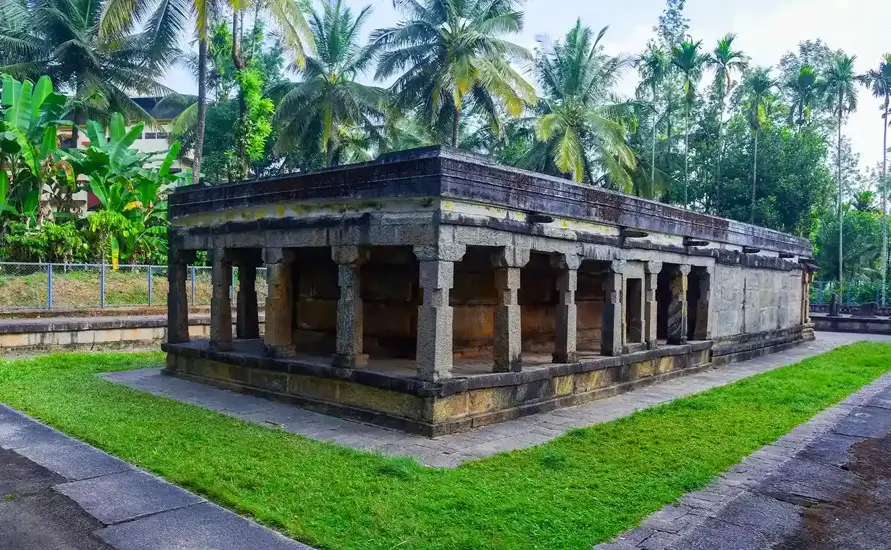
The town of Sulthan Bathery takes its name from Tipu Sultan, who is believed to have used an old Jain temple here as a storehouse for his ammunition, or "battery." The 13th-century granite temple has carved pillars and a simple, solid style typical of the Vijayanagara period, a reminder of the Jain trading communities who once lived in the region. It's a short stop that fits easily with a visit to the Edakkal Caves.
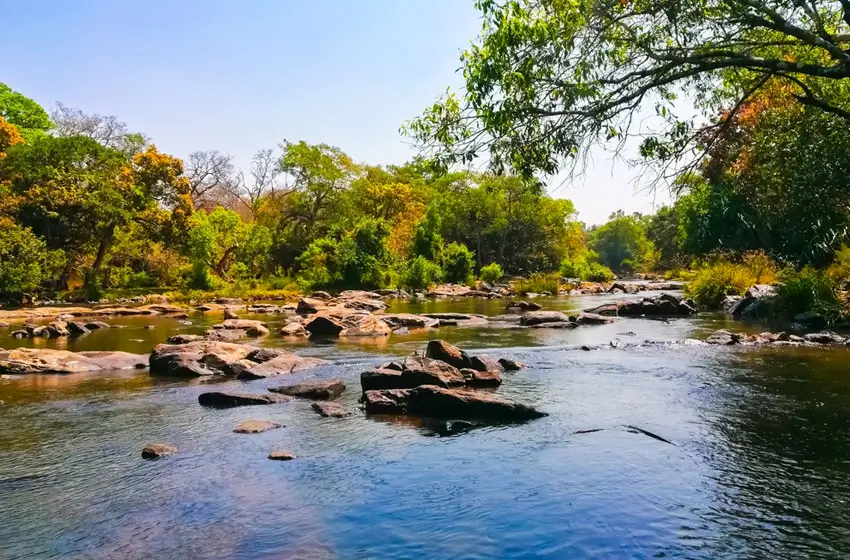
Kuruva Island (Kuruvadweep) is a cluster of small, forested river islands on the Kabini River in north-east Wayanad. Visitors cross by bamboo raft or boat and walk along trails through dense forest, stepping across shallow channels. It's home to many birds, butterflies, and rare plants. Entry is limited to a set number of visitors per day, and the islands close during the monsoon and at other times for conservation, so check the status before planning a visit.
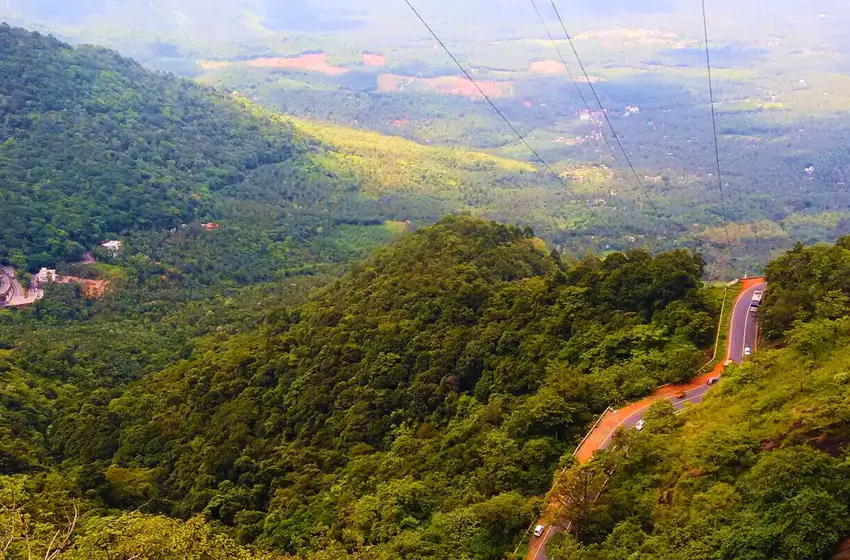
At the top of the Thamarassery Ghat, the road from Kozhikode climbs through nine hairpin bends to Lakkidi, one of the wettest places in Kerala and the gateway to Wayanad. The viewpoint looks down over the winding road and forested slopes toward the coastal plains. Nearby is the Chain Tree, linked to a local legend about a tribal guide who helped the British find this route. Most visitors stop here on the way in or out of Wayanad.
Like what you see? Let's plan it for you.
Private car, driver and hotels arranged around your dates. Reply within 24 hours.
Getting there
Wayanad has no airport or railway station, but it's well connected by road to Kerala and Karnataka.
Kozhikode (Calicut) International Airport and Kannur International Airport, each about 3 hours by road; Bangalore International Airport is about 6.5 hours away
Kozhikode Railway Station is the nearest major station, about 2.5 to 3 hours by road from Kalpetta
Good highways from Kozhikode, Mysore (about 3.5 hours), Bangalore (about 6 hours), and Ooty, with easy transfers to Kabini and Coorg
Tours that include Wayanad
Explore more
Kerala Backwaters Escape Kerala Backwaters Escape
N.S. Rathore & Mrs. Omlata Rathore · Managing Director
We still read every enquiry ourselves. Tell us the places you liked and our planners will send a day-by-day route with drive times and a clear price.
No ready-made packages and no pressure to book. A planner from our Kochi office replies within 24 hours with a route written for your group.
Fill this in and your planner will send a first draft itinerary.