 Kerala Backwaters Escape
Destination
Thiruvananthapuram, still widely called Trivandrum, is the capital of Kerala and the southernmost major city on India's west coast. The name means "the city of Lord Ananta," after the sacred serpent on which Lord Vishnu rests in the great Sree Padmanabhaswamy Temple. For centuries this was the seat of the Travancore kings, a dynasty known for its arts, learning, and relatively progressive rule, and much of what you see in the city today grew up around their palaces and temples.
Trivandrum is green, hilly, and relaxed for a state capital. Government buildings from the colonial and royal eras sit along wide roads shaded by old trees, and the city has an easygoing feel compared to Kochi or Bangalore. It's home to fine museums, a historic zoo, colorful markets, and some of the most important temples in South India. Few foreign travelers spend much time here, which means the sights rarely feel crowded with tourists.
Many visitors pass through Trivandrum on the way to Kovalam or Varkala, or start and end a Kerala tour at its international airport. It's worth giving the city at least one full day. A morning at the temple quarter of East Fort, an afternoon at the Napier Museum, and an evening at Shanghumugham Beach give you a clear picture of old Travancore and modern Kerala, and the beaches are less than an hour away when you're done.
Sree Padmanabhaswamy Temple, Napier Museum, Kuthiramalika Palace, Shanghumugham Beach, Padmanabhapuram Palace
October – March
Dry, sunny, and comfortable for sightseeing
1–2 Days
Combine with a beach stay in Kovalam or Varkala
Malayalam, English.
English is widely understood in hotels, shops, and offices
Many of Trivandrum's best-known sights are temples, and the rules here are stricter than in most of India, so it helps to plan ahead.
Trivandrum's food is classic South Kerala cooking, with plenty of coconut, rice, fish, and spices. A traditional Kerala sadya, a vegetarian feast with up to 20 or more dishes served on a banana leaf, is a must, especially around the Onam festival in August or September. For breakfast, try puttu with kadala curry, appam with stew, or idiyappam. Coastal neighborhoods are great for fish curry meals, karimeen fry, and prawn roast. The city also has a strong love for Kerala porotta with beef or chicken curry at small restaurants. Don't miss Kerala banana chips, halwa, and unniyappam (sweet rice and banana fritters) from local bakeries. Many old Brahmin restaurants near the Fort area serve excellent vegetarian meals.
Read More +Like what you see? Let's plan it for you.
Private car, driver and hotels arranged around your dates. Reply within 24 hours.
Trivandrum (Thiruvananthapuram)
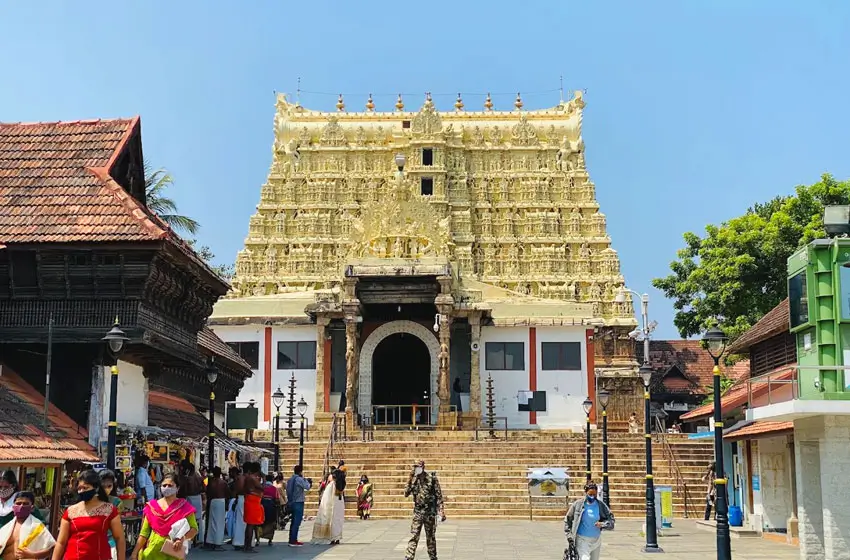
The Sree Padmanabhaswamy Temple is the spiritual center of the city and one of the most revered Vishnu temples in India. Inside, the deity is shown reclining on the serpent Ananta in a vast image that is viewed through three separate doorways. The temple's seven-tiered gopuram, built in the Dravidian style, faces a large temple tank called Padma Theertham, and the long stone corridor inside is lined with hundreds of carved granite pillars. The Travancore kings ruled as servants of the deity, and the temple made world news in 2011 when vaults beneath it were found to hold an enormous collection of gold and jewels. Entry is only for Hindus, and a strict dress code applies: men must wear a mundu (dhoti) and go shirtless, while women must wear a sari, a long skirt with a blouse, or a mundu over their clothes. Non-Hindu visitors can still see the gopuram, walk around the temple tank, and explore the surrounding Fort area streets, which are full of old houses and small shrines.
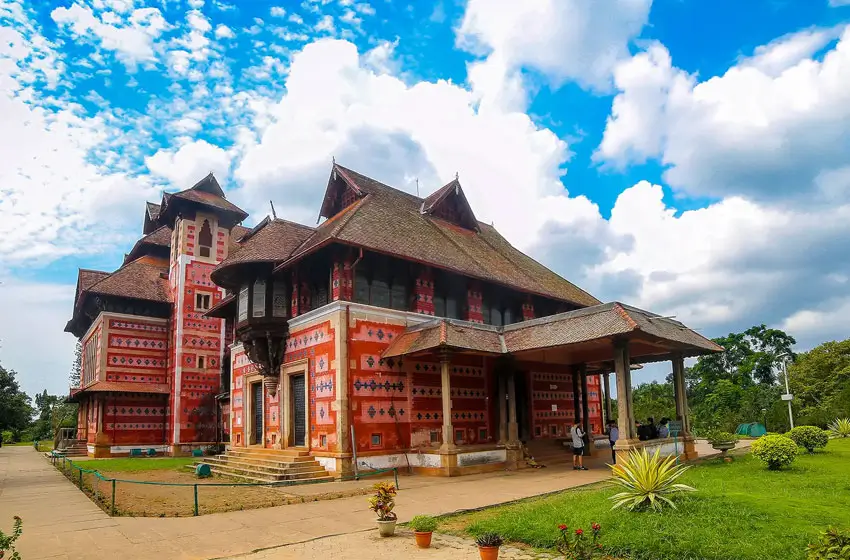
The Napier Museum is one of the most attractive buildings in Kerala and a must for anyone interested in architecture or art. Designed by Robert Chisholm and opened in 1880, it mixes Kerala, Mughal, Chinese, and Gothic styles, with steep gabled roofs, striped brick walls, and wooden interiors. Inside, you'll find a fine collection of bronze sculptures, ancient ornaments, ivory carvings, a temple chariot, and Kathakali costumes and masks. The museum sits in a large, leafy compound alongside the zoo and art gallery. It's closed on Mondays and on Wednesday mornings, so plan accordingly.
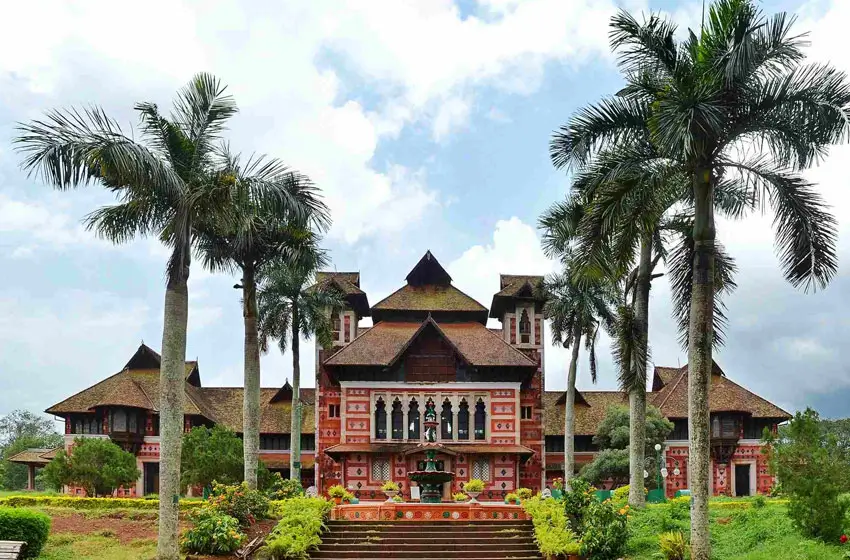
On the same museum grounds, the Sree Chitra Art Gallery was opened in 1935 and is best known for its collection of paintings by Raja Ravi Varma, the 19th-century artist from the Travancore royal family who gave Indian gods and heroines their modern image. The gallery also displays Mughal and Rajput miniatures, Tanjore paintings, works by Nicholas Roerich, and art from China, Japan, Tibet, and Bali. If you only have time for one art collection in Kerala, this is a strong choice.
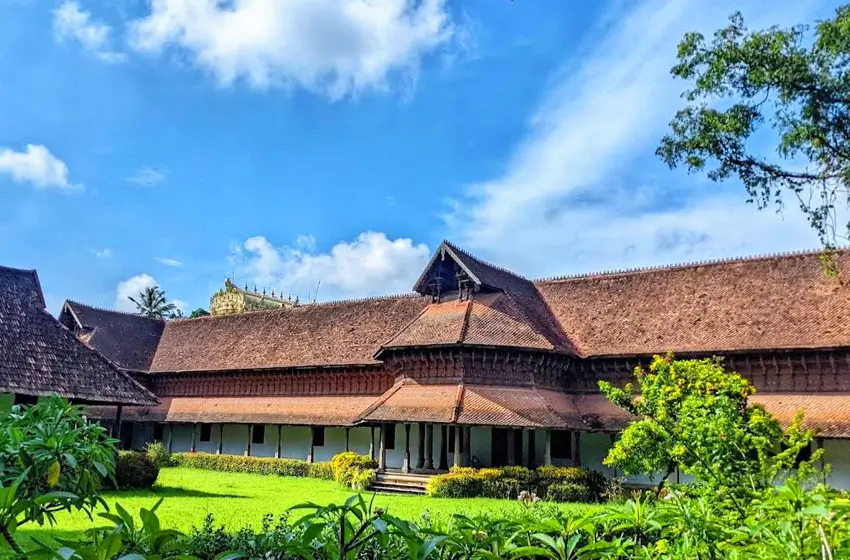
Right next to the Padmanabhaswamy Temple, Kuthiramalika Palace (the "Palace of Horses") was built in the 1840s by Maharaja Swathi Thirunal, a ruler who was also a famous composer of Carnatic music. Its name comes from the 122 carved wooden horses that line the eaves of the upper floor. The palace is a beautiful example of traditional Kerala architecture, with carved rosewood ceilings, polished floors, and shady verandas, and part of it is now a museum showing royal portraits, Belgian glass, weapons, and ivory thrones. Guided tours are included with the ticket. In January, the palace grounds host the Swathi Sangeethotsavam, a classical music festival held over several evenings. The museum is closed on Mondays.
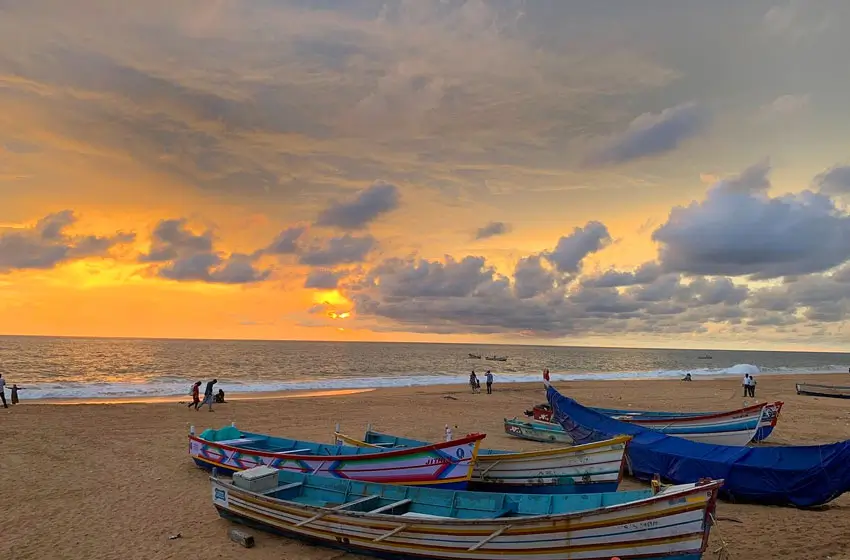
Shanghumugham Beach is the city's beach, close to the airport and about 8 km from the center. It's popular with locals in the evening, when families walk along the sand, buy snacks from stalls, and watch the sunset. The beach is known for a giant reclining Mermaid sculpture (Jalakanyaka) by the Kerala artist Kanayi Kunhiraman, about 35 meters (115 feet) long. Swimming isn't advised, but it's a pleasant place for a sunset walk. From the beach you can sometimes see planes landing at the airport just behind it.
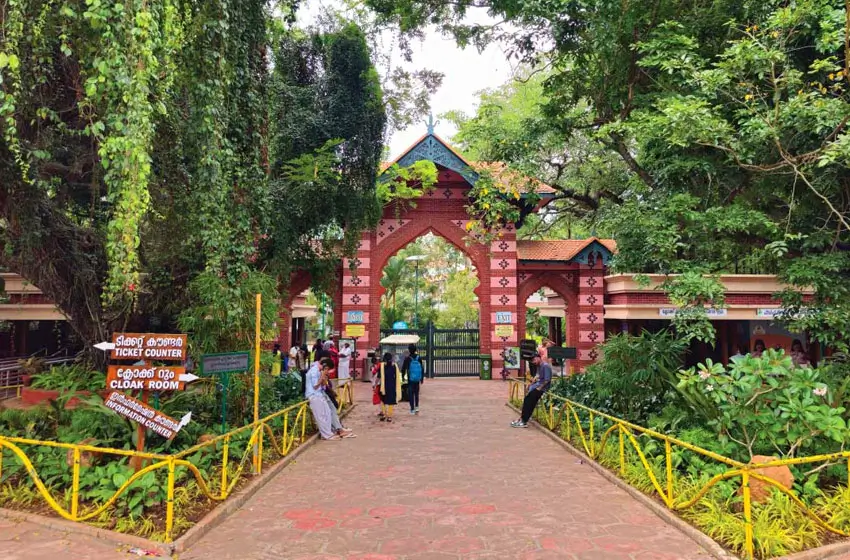
Established in 1857, the Thiruvananthapuram Zoo is one of the oldest zoos in India, and it's set within the museum compound. It's laid out over hilly land with lakes, large trees, and walkways, and houses Indian animals including tigers, lions, leopards, Asian elephants, hippos, and many birds and reptiles. Even if zoos aren't your thing, the old trees and shaded paths make it a nice walk, and it's very popular with local school groups.
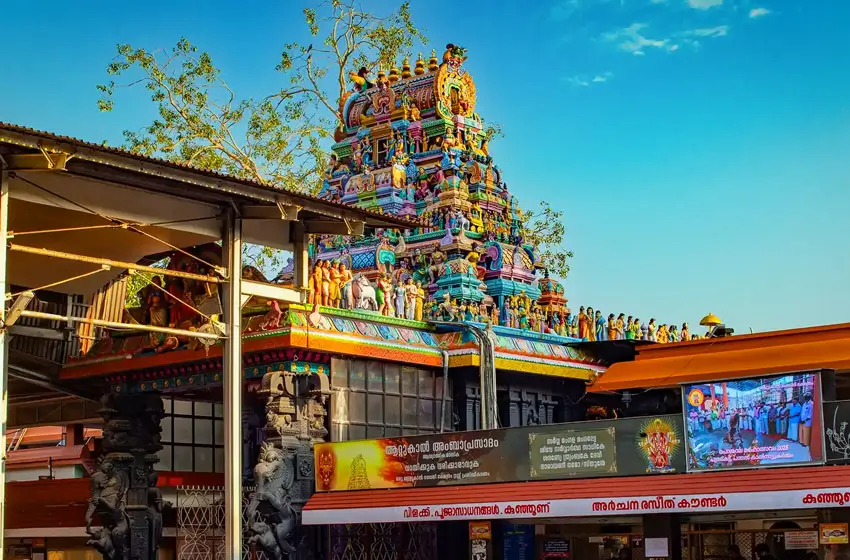
The Attukal Bhagavathy Temple, about 2 km from East Fort, is dedicated to the goddess Bhagavathy and is famous for the Attukal Pongala festival in February or March. On the main day, a huge number of women gather across the city to cook offerings of rice, jaggery, and coconut in clay pots over open fires along the streets, and the event has been recognized by Guinness World Records as one of the largest gatherings of women for a religious activity. If you happen to be in the city at the time, the sight of streets filled with cooking fires is remarkable, but expect traffic chaos.
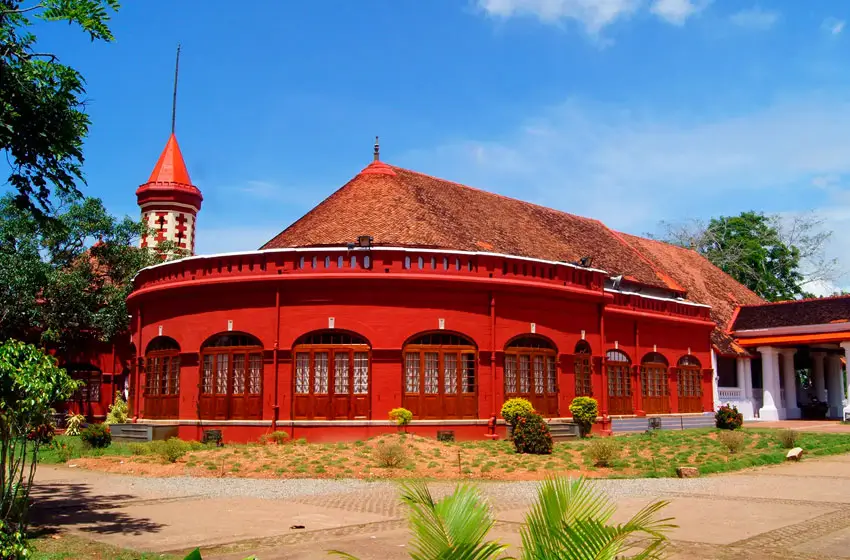
Kanakakunnu Palace, near the museum compound, was a guest house for the Travancore royal family, built in the late 19th century. The building itself is used for cultural events and isn't always open, but the hilltop grounds are green and quiet, and they host the Nishagandhi Dance Festival each January, with classical dance performances in the open-air auditorium.
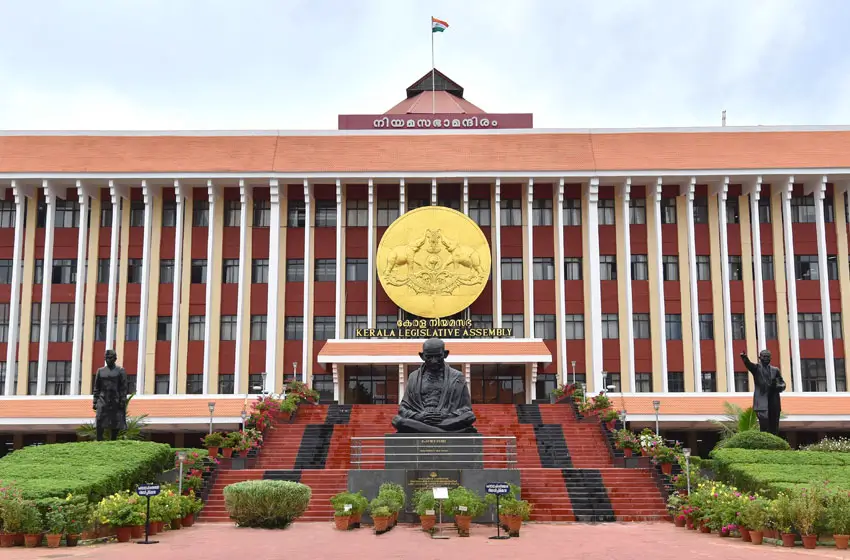
The city's administrative heart along MG Road includes the grand white Secretariat building, built in the 1860s, in a classical colonial style. A short drive away, the newer Niyamasabha (Legislative Assembly) complex has a museum on Kerala's legislative history. These are mostly drive-by sights, but they show the city's role as a seat of government and the mix of royal and modern Kerala.
Like what you see? Let's plan it for you.
Private car, driver and hotels arranged around your dates. Reply within 24 hours.
Getting there
As Kerala's capital, Trivandrum is well connected by air, rail, and road.
Trivandrum International Airport, with direct flights from the Middle East, Singapore, Sri Lanka, the Maldives, and major Indian cities
Thiruvananthapuram Central Station, with trains to Kochi, Chennai, Bangalore, Mumbai, Delhi, and Kanyakumari
National highways to Kochi and Kanyakumari, and coastal roads to Kovalam and Varkala
Tours that include Trivandrum (Thiruvananthapuram)
Explore more
Kerala Backwaters EscapeN.S. Rathore & Mrs. Omlata Rathore · Managing Director
We still read every enquiry ourselves. Tell us the places you liked and our planners will send a day-by-day route with drive times and a clear price.
No ready-made packages and no pressure to book. A planner from our Kochi office replies within 24 hours with a route written for your group.
Fill this in and your planner will send a first draft itinerary.