 Kerala Backwaters Escape
Destination
A thousand years ago, Thanjavur (also known as Tanjore) was the capital of the Chola Empire, one of the most powerful kingdoms in Asian history. At its height, Chola armies and fleets reached Sri Lanka, the Maldives, and parts of Southeast Asia, and the wealth they brought home paid for some of the greatest temples ever built in India. The finest of them all still stands at the center of town: the Brihadeeswarar Temple, completed in 1010 and known locally as the Big Temple.
Today Thanjavur is a mid-sized, unhurried town in the fertile Kaveri (Cauvery) River delta, surrounded by green rice paddies and coconut groves. It's often called the "rice bowl of Tamil Nadu." After the Cholas, the town was ruled by the Nayaks and then by a line of Maratha kings, who left behind a sprawling palace, a remarkable library, and a strong tradition of music, dance, and painting. Thanjavur paintings, with their gold leaf and inlaid glass, and the Tanjore bobblehead dolls are still made here today.
For travelers on a Tamil Nadu temple tour, Thanjavur is one of the essential stops, and it makes a comfortable base for exploring the countryside around it. Within an hour or so are two more Chola masterpieces, the temple town of Kumbakonam, and villages where bronze idols are still cast by the same lost-wax method used a millennium ago. Plan on staying at least one night, so you can see the Big Temple in both morning and evening light.
Brihadeeswarar (Big) Temple, Thanjavur Royal Palace, Saraswathi Mahal Library, Art Gallery bronzes, Schwartz Church, Darasuram and Gangaikonda Cholapuram nearby
October – March
Mild weather for temple visits and countryside drives
2 Days
One day in town, one for Darasuram, Kumbakonam, and Gangaikonda Cholapuram
Tamil, English.
English spoken at hotels and by guides; limited elsewhere
Food in Thanjavur follows the vegetarian traditions of the Kaveri delta, with excellent rice dishes, since this is the state's main rice-growing region. Try a full Thanjavur meal, served on a banana leaf with rice, sambar, rasam, vegetable curries, appalam (crispy papadum), curd, and pickles. Breakfasts of idli, dosa, and pongal are fresh and inexpensive. The delta is known for filter coffee made with fresh milk; nearby Kumbakonam degree coffee is particularly famous. For non-vegetarian food, the spicy Chettinad dishes from the region south of here are widely available in town. Hotel restaurants also serve North Indian and Continental options if you need a break from rice.
The best buys in Thanjavur are local crafts. Thanjavur paintings come in all sizes and prices; buy from established workshops or the Poompuhar government emporium for genuine work. Thanjavur dolls are cheap, colorful, and easy to pack. Small bronze statues from Swamimalai are expensive but beautiful, and reputable sellers can provide certificates and arrange shipping. You'll also find art plates, a local craft of embossed copper, brass, and silver on a metal plate, and handwoven cotton and silk textiles. Gandhiji Road and the streets near the palace have plenty of shops.
Read More +Like what you see? Let's plan it for you.
Private car, driver and hotels arranged around your dates. Reply within 24 hours.
Thanjavur
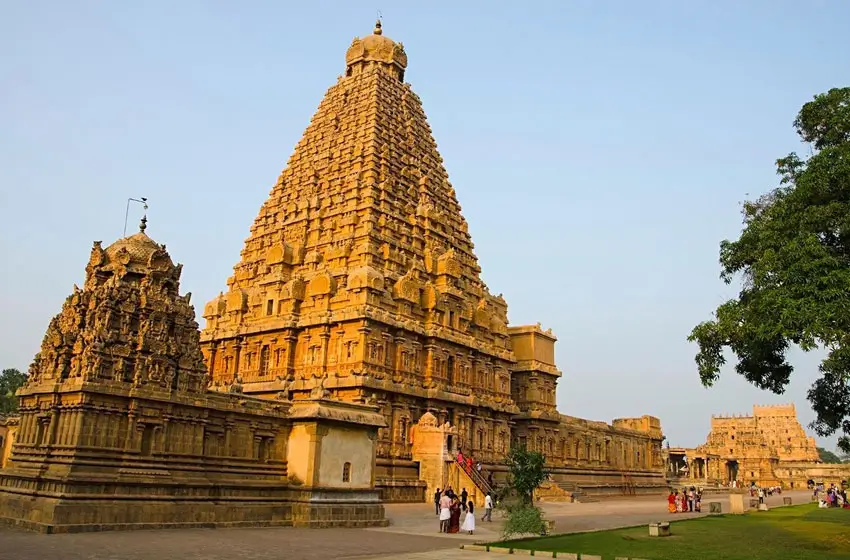
The Brihadeeswarar Temple is the reason most people come to Thanjavur, and it lives up to the reputation. Commissioned by the Chola emperor Rajaraja I and completed in 1010, it was one of the largest buildings in India at the time and remains one of the grandest temples in the world. Its main tower, or vimana, rises about 216 feet (66 meters) above the sanctum in thirteen stepped tiers, topped by a massive dome-shaped capstone carved from granite. How the builders raised it so high is still discussed; a popular story speaks of a long earthen ramp. In the sanctum is one of the largest Shiva lingams in India.
The temple sits in a huge walled courtyard, entered through two gateways, and the scale is easiest to appreciate from a distance. Facing the sanctum is a giant Nandi (Shiva's sacred bull) carved from a single block of stone, housed in its own pavilion. Walk the cloisters around the courtyard to see a long row of lingams, and look up at the walls of the main shrine for carvings of Shiva in many forms. Chola-era frescoes survive in the inner passages, though they are usually closed to the public. Together with two other Chola temples nearby, the Big Temple is part of the UNESCO World Heritage Site "Great Living Chola Temples." It is very much a working temple, with daily worship and festivals, so visit respectfully. The granite glows warm orange at sunset, and the temple is beautifully lit after dark.
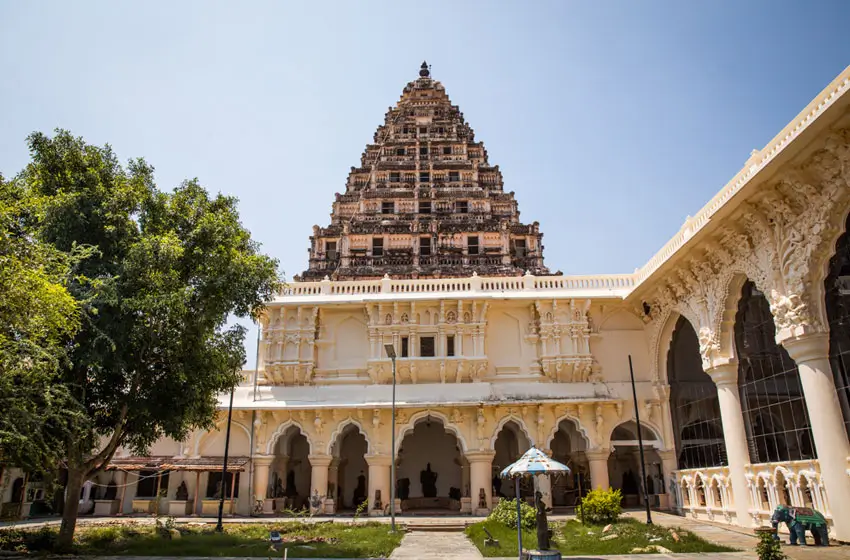
The Thanjavur Royal Palace (also called the Maratha Palace) is a large, rambling complex begun by the Nayak rulers in the 16th century and expanded by the Maratha kings who followed. Parts of it are faded and in need of repair, which gives it a lived-in, slightly forgotten charm. Highlights include the Durbar Hall with its painted ceilings and pillars, and the tall bell tower and watchtower, which you can sometimes climb for views of the town and the Big Temple. The descendants of the Maratha royal family still live in a section of the palace. Several museums and the famous library sit within the complex, so allow a few hours to see everything.
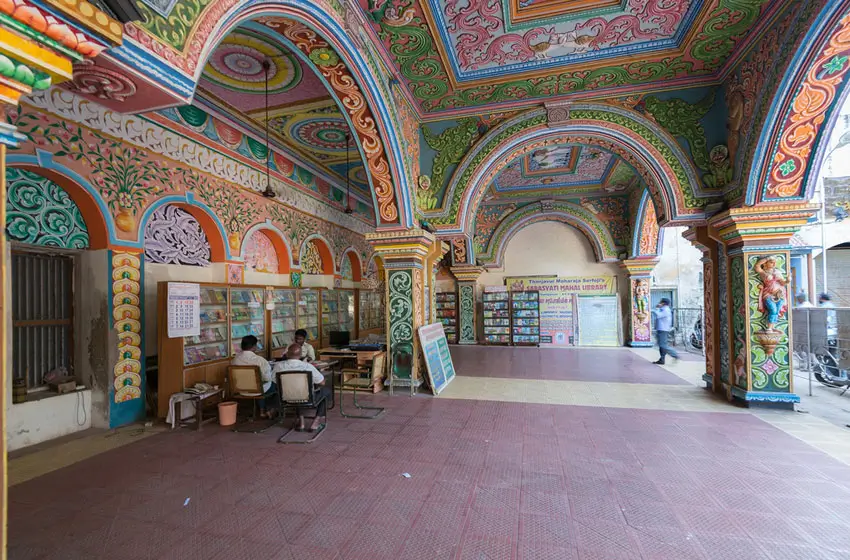
Inside the palace grounds, the Saraswathi Mahal Library is one of the oldest libraries in Asia, started by the Nayak kings and greatly expanded by the Maratha ruler Serfoji II in the late 18th and early 19th centuries. Serfoji was a remarkable scholar who read many languages and collected books on medicine, astronomy, music, and the arts. The library holds tens of thousands of palm-leaf and paper manuscripts in Sanskrit, Tamil, Marathi, Telugu, and European languages. A small museum displays a selection of these, along with old maps, illustrated books, and items from Serfoji's personal collection. It's a quiet, fascinating stop for anyone who loves books and history. The library is generally closed on Wednesdays; check before you go.
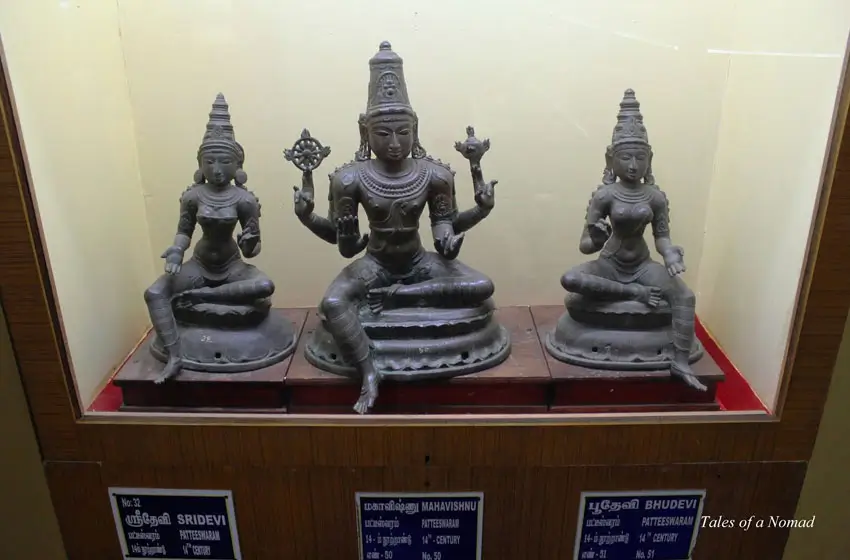
Also within the palace complex, the Art Gallery houses a superb collection of Chola bronzes and stone sculptures gathered from temples around the region. The bronzes, made between roughly the 9th and 12th centuries, include graceful figures of Shiva as Nataraja, Parvati, Rama and Sita, and many saints, cast in the lost-wax technique for which this region is famous. Displays are simple and the lighting isn't always ideal, but the quality of the pieces is outstanding. If you're interested in Indian art, this is one of the best collections outside the big city museums.
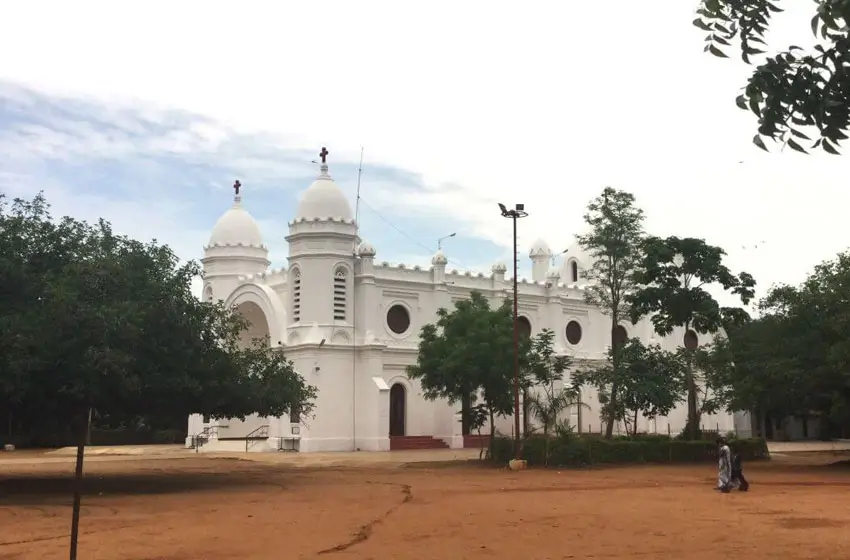
Close to the Sivaganga Garden, Schwartz Church was built in 1779 by the Maratha king Serfoji II in honor of Christian Friedrich Schwartz, a Danish-German missionary who served as his tutor and guardian. Inside, a marble relief by the English sculptor John Flaxman shows the dying Schwartz with Serfoji at his bedside. It's a small, peaceful church and a reminder of the town's diverse history.
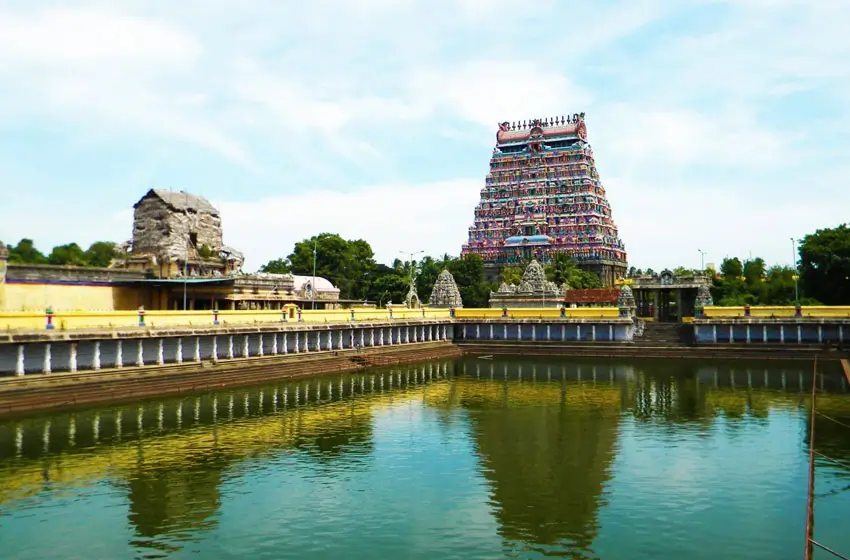
Just beside the Big Temple, Sivaganga Garden is a public park surrounding an old water tank built in Chola times. It's a pleasant spot for a short walk in the late afternoon, popular with local families, and gives a different view of the temple tower over the trees.
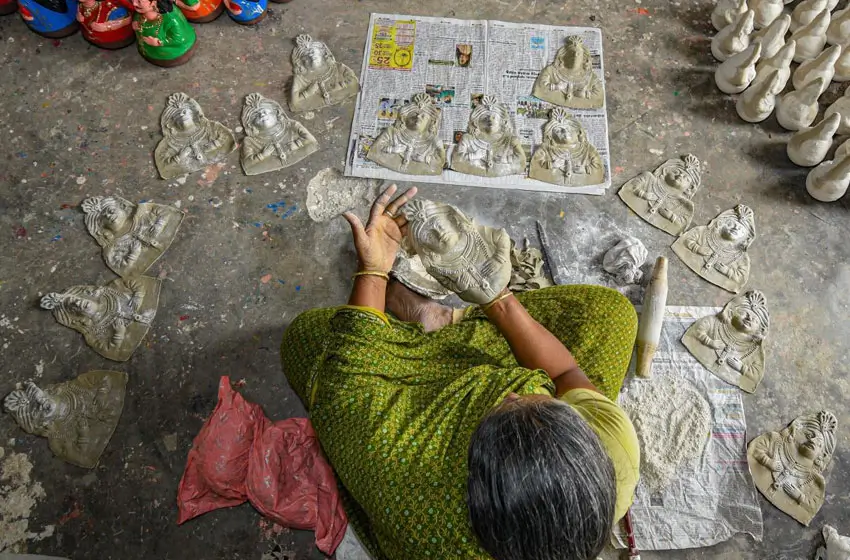
Thanjavur is home to two well-known crafts. Thanjavur painting is a classical style of devotional art on wood panels, known for its rich colors, raised gesso work, gold foil, and sometimes inlaid semi-precious stones or glass. The Thanjavur doll (thalaiyatti bommai) is a clay or papier-mâché figure that wobbles but never falls over, thanks to its rounded weighted base, while some versions have nodding heads. Several workshops in town welcome visitors to watch artisans at work, and pieces make good, lightweight souvenirs.
Like what you see? Let's plan it for you.
Private car, driver and hotels arranged around your dates. Reply within 24 hours.
Getting there
Thanjavur lies in central Tamil Nadu, about 210 miles (340 km) southwest of Chennai and about 35 miles (55–60 km) east of Trichy.
Tiruchirappalli (Trichy) International Airport, about 1 hour by car, is the nearest airport, with flights to Chennai, Bangalore, Singapore, Kuala Lumpur, and the Middle East
Thanjavur Junction, with direct trains to Chennai Egmore, Trichy, Kumbakonam, and other cities in Tamil Nadu
Good highways to Trichy (about 1 hour), Kumbakonam (about 1 hour), Pondicherry (about 4 hours), and Madurai (about 3.5 hours)
Tours that include Thanjavur
Explore more
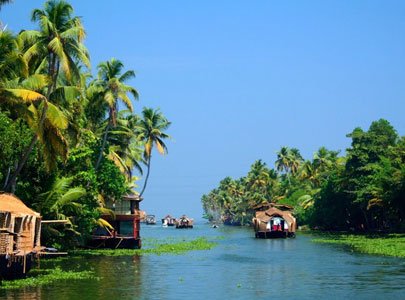
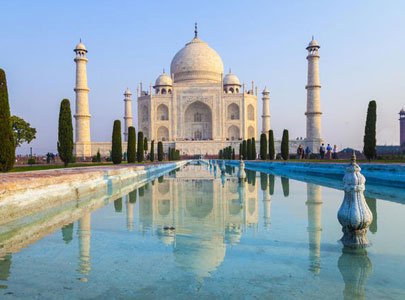
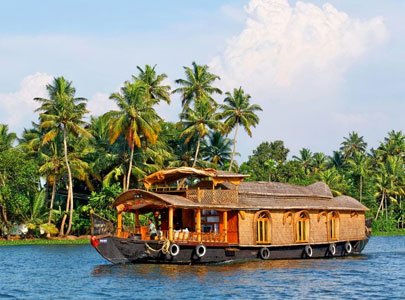
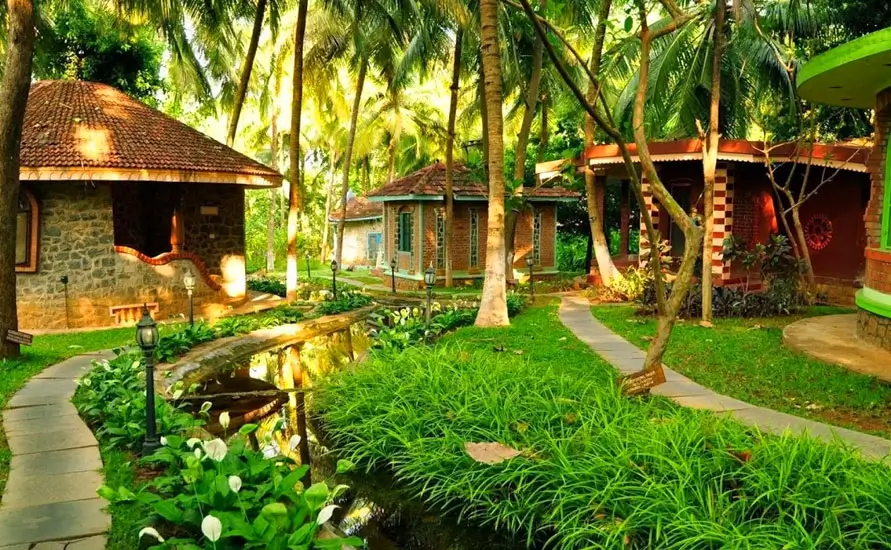
Kerala Backwaters Escape Kerala Backwaters Escape
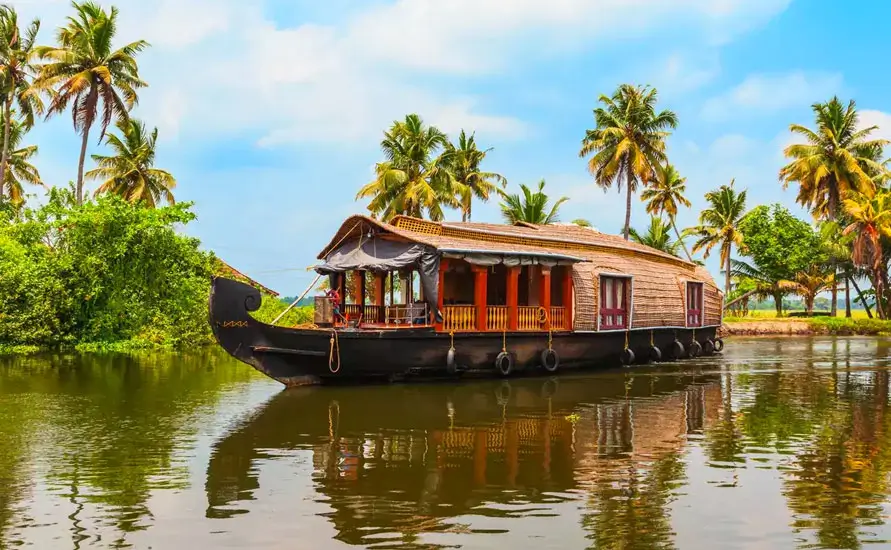 Kerala Backwaters Escape
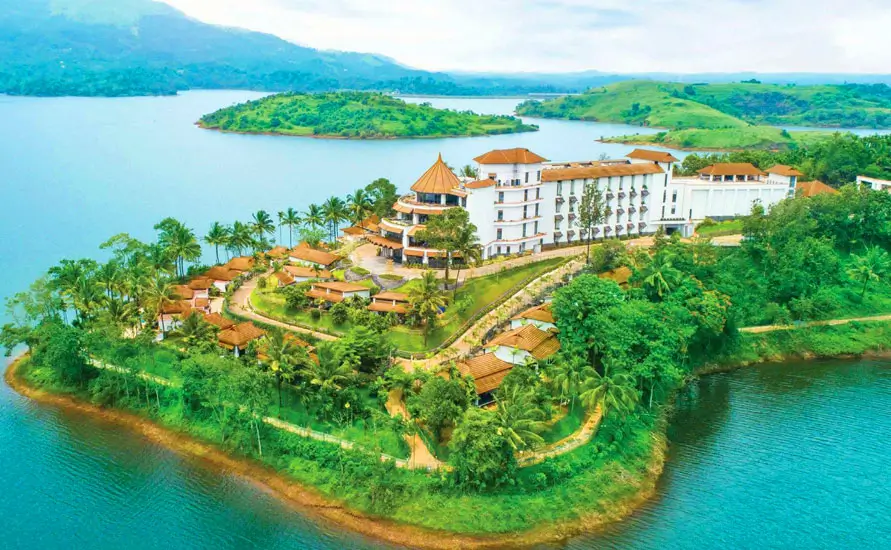 Kerala Backwaters Escape
N.S. Rathore & Mrs. Omlata Rathore · Managing Director
We still read every enquiry ourselves. Tell us the places you liked and our planners will send a day-by-day route with drive times and a clear price.
No ready-made packages and no pressure to book. A planner from our Kochi office replies within 24 hours with a route written for your group.
Fill this in and your planner will send a first draft itinerary.