 Kerala Backwaters Escape
Destination
At the very bottom of the Indian mainland, Kanyakumari looks out over the point where three bodies of water meet: the Arabian Sea, the Bay of Bengal, and the Indian Ocean. Locals call this meeting point Triveni Sangamam, and many visitors say they can see the different colors of the waters on a clear day. Stand on the shore here and there is nothing but ocean between you and Antarctica.
The town takes its name from Devi Kanya Kumari, the virgin goddess who, according to legend, waited here for a wedding to Lord Shiva that never took place. Her temple has stood by the sea for centuries. In 1892, the young monk Swami Vivekananda swam out to a rock off the coast and meditated there for three days before setting out on the travels that made him famous, including his celebrated speech in Chicago. Today that rock carries a memorial, and the island beside it holds a giant statue of the Tamil poet Thiruvalluvar.
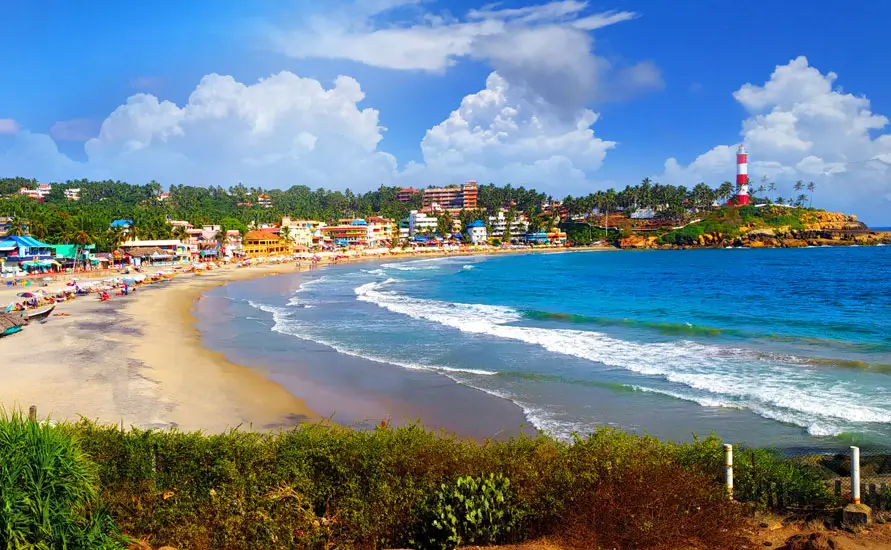
For most travelers, Kanyakumari tourism is about three things: the sunrise and sunset over the sea, the ferry ride to the rock memorials, and a few fine temples and palaces in the surrounding green countryside. It's a small pilgrim town rather than a beach resort, but it has a special atmosphere, especially at dawn, when hundreds of people gather on the shore to watch the sun come up. It sits only a couple of hours from Trivandrum and Kovalam, so it's a natural link between Kerala and Tamil Nadu on a South India private tour.
Vivekananda Rock Memorial, Thiruvalluvar Statue, Kumari Amman Temple, Sunrise Point, Padmanabhapuram Palace
October – March
Clearer skies for sunrise and sunset
1 Days
Stay one night to see both sunset and sunrise
Tamil, Malayalam, English
Hotel staff and guides speak English
Because the rock memorials are the main sight, a little planning makes the visit smoother:
Kanyakumari's food mixes Tamil and Kerala cooking, which makes it different from other Tamil towns. Vegetarian restaurants near the temple serve South Indian meals, idli, dosa, and North Indian dishes for pilgrims. With the sea all around, seafood is the real star: try fish curry cooked with tamarind and coconut, fried king fish, prawns, crabs, and squid. Kerala-style appam with stew, puttu with kadala curry, and parotta with beef or chicken curry are easy to find. Snack on banana chips fried in coconut oil, jackfruit chips, and halwa. Along the beach, stalls sell roasted corn, raw mango with chili, and fresh tender coconut water. Choose busy, clean places for seafood.
Read More +Like what you see? Let's plan it for you.
Private car, driver and hotels arranged around your dates. Reply within 24 hours.
Kanyakumari
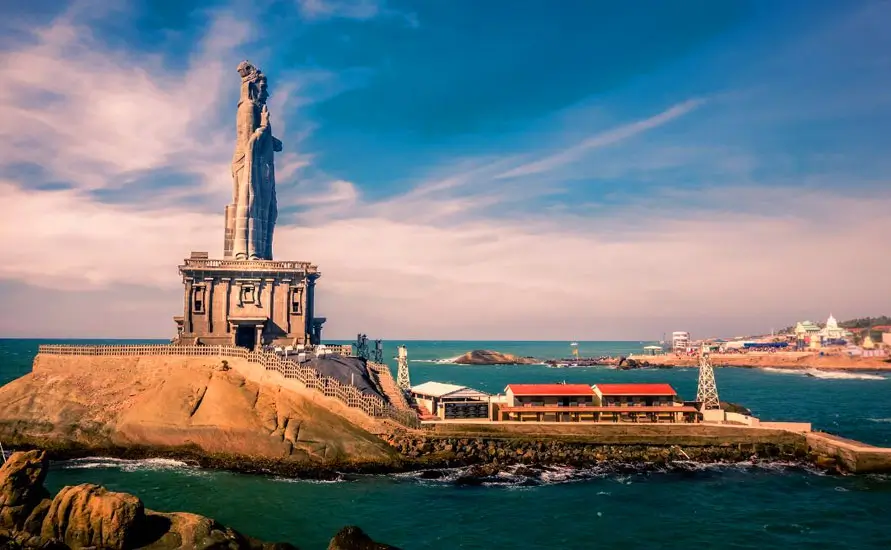
The Vivekananda Rock Memorial stands on one of two small rocky islands about 550 yards (500 meters) off the shore. Completed in 1970, it marks the spot where Swami Vivekananda meditated in December 1892. The memorial combines styles from temples across India and has two main parts. The Shripada Mandapam protects a mark on the rock believed to be the footprint of the goddess Kanya Kumari. The Vivekananda Mandapam holds a bronze statue of the Swami and a quiet, dark Dhyana Mandapam (meditation hall) where visitors may sit in silence. The open rock around the buildings gives wide views back toward the town and the Western Ghats in the distance. Keep your voice low inside, as many visitors come here to meditate.
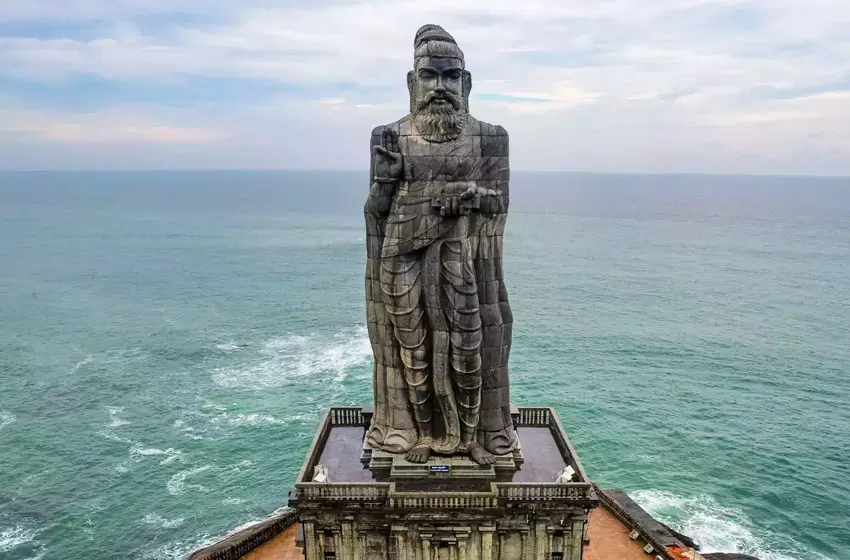
On the smaller rock next to the memorial is the Thiruvalluvar Statue, a 133-foot (40.5-meter) stone figure of the Tamil poet-philosopher who wrote the Thirukkural, a classic work of ethics with 133 chapters. The height was chosen to match the number of chapters. The statue was dedicated on January 1, 2000, and is one of the tallest stone sculptures in India. Since December 2024, a glass-floored bridge connects the two rocks, so visitors can now walk from the Vivekananda Memorial to the statue without a separate boat. Walking over the sea on the glass panels is a new highlight, though it can be very windy. Access to the statue itself may be restricted at times for maintenance.
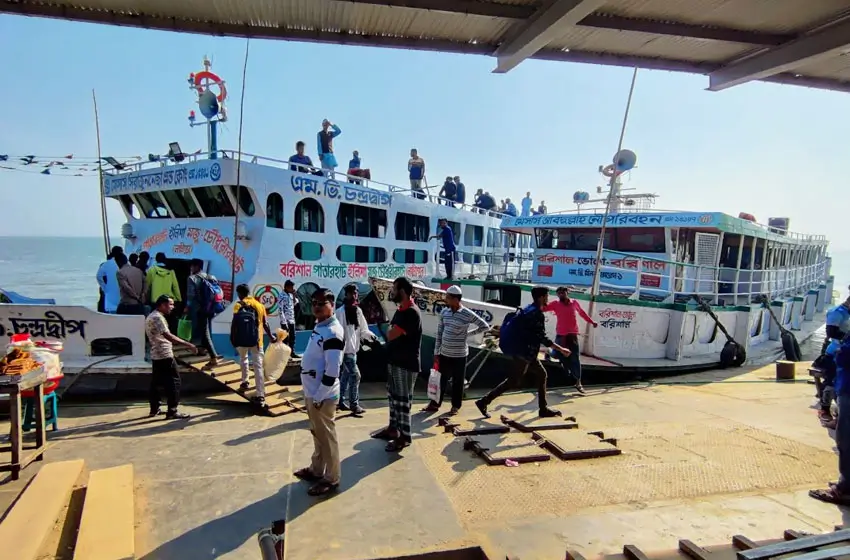
Ferries operated by the state-run Poompuhar Shipping Corporation carry visitors from the jetty near the Kumari Amman Temple to the rocks. The ride is short, only a few minutes, but lines can be long, especially on weekends, holidays, and in the morning when tour groups arrive. Life jackets are provided. Services stop during rough seas, which happens occasionally during the monsoon and in strong winds, so keep your schedule flexible. A special ticket that skips part of the line is often available for a higher fee. Ferries run only in daylight hours, so you can't watch sunrise from the rock.
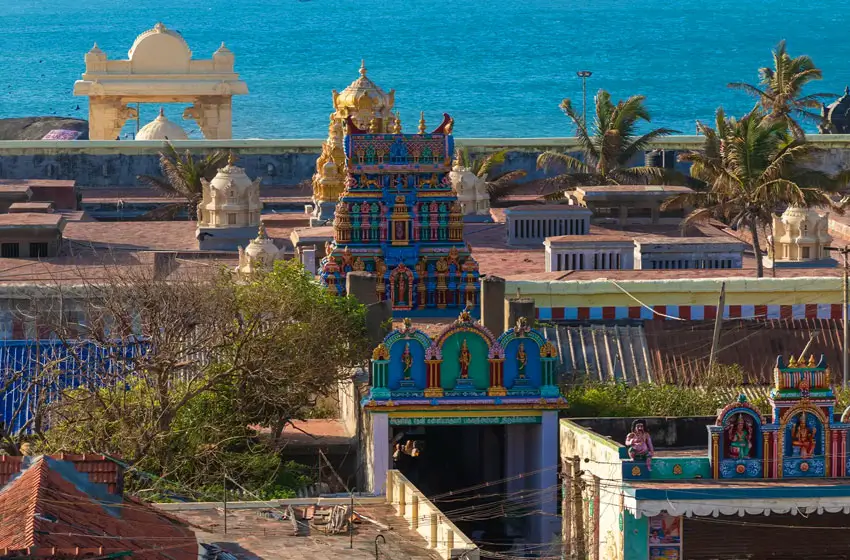
The Kumari Amman Temple, also called the Bhagavathy Amman Temple, stands right at the tip of the land and is dedicated to the goddess Kanya Kumari. The temple is believed to be more than 3,000 years old in origin, though the present structure is much later. The goddess's diamond nose ring is said to sparkle so brightly that it was once mistaken for a lighthouse by ships at sea, and the eastern sea-facing door was closed for that reason; it is opened only on a few special days a year. Men are required to remove their shirts before entering the inner temple, and everyone must leave shoes outside. Non-Hindus may not be allowed into the inner sanctum, so check with the staff at the gate.
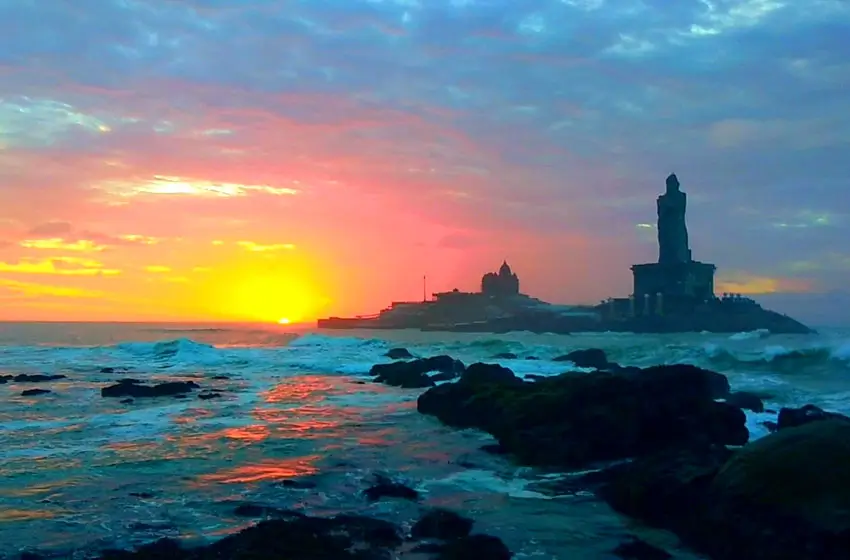
Kanyakumari is one of the few places in India where you can watch the sun rise and set over the sea from the same stretch of coast. For sunrise, the steps and promenade near the temple and the Triveni Sangamam ghat fill with crowds well before dawn, along with tea sellers and photographers. Many hotels near the shore have rooftops facing east. For sunset, head to the Sunset Point on the western side of town near the Kanyakumari beach road. On the full moon of Chitra Pournami in April–May, if skies are clear, you can see the sun set and the moon rise over the sea at almost the same moment. Clouds often block the horizon in the monsoon months, so winter mornings give the best chance of a clean sunrise.
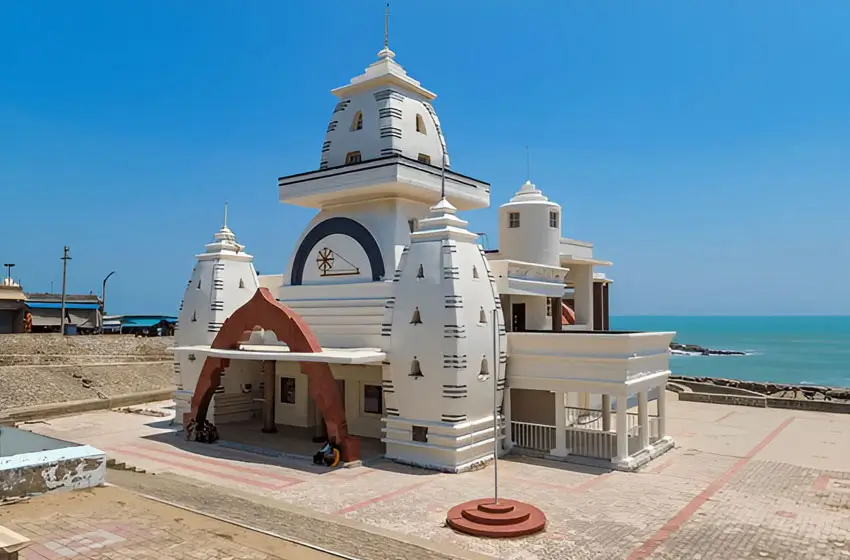
Near the shore, the Gandhi Memorial Mandapam marks the place where an urn with Mahatma Gandhi's ashes was kept for public viewing before they were scattered in the sea in 1948. The building was designed so that on October 2, Gandhi's birthday, sunlight falls through a hole in the roof onto the exact spot where the urn stood. The building is modest but peaceful, and its upper floor offers good views of the sea and the rocks. Next to it is the Kamarajar Mani Mandapam, a memorial to K. Kamaraj, a respected Tamil leader and freedom fighter.
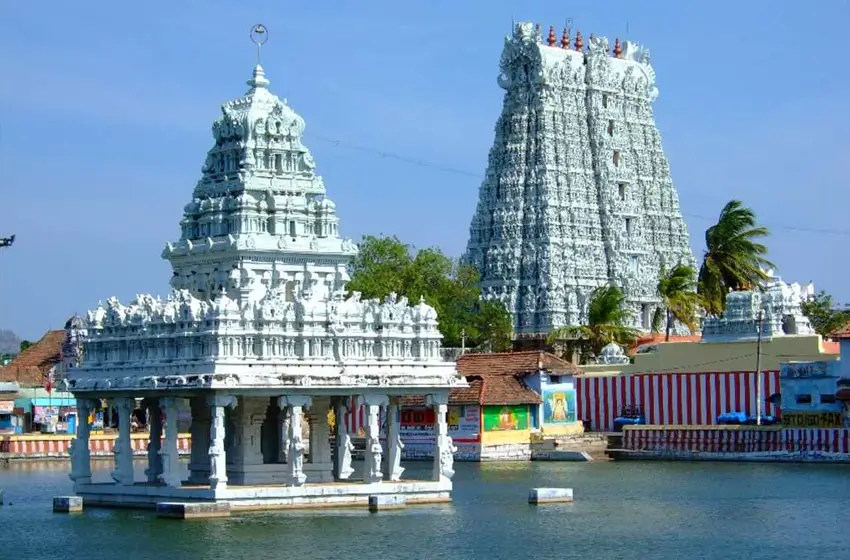
About 8 miles (13 km) from Kanyakumari, the Thanumalayan Temple at Suchindram is dedicated to the three main Hindu gods, Shiva, Vishnu, and Brahma, together in one form. It is known for its tall, ornate gopuram, its musical pillars carved from single stones that give different notes when tapped, and an 18-foot (5.5-meter) statue of Hanuman. The temple is a fine example of the mix of Tamil and Kerala styles found in this border region. As at the Kumari Amman Temple, men are asked to remove their shirts in the inner areas.
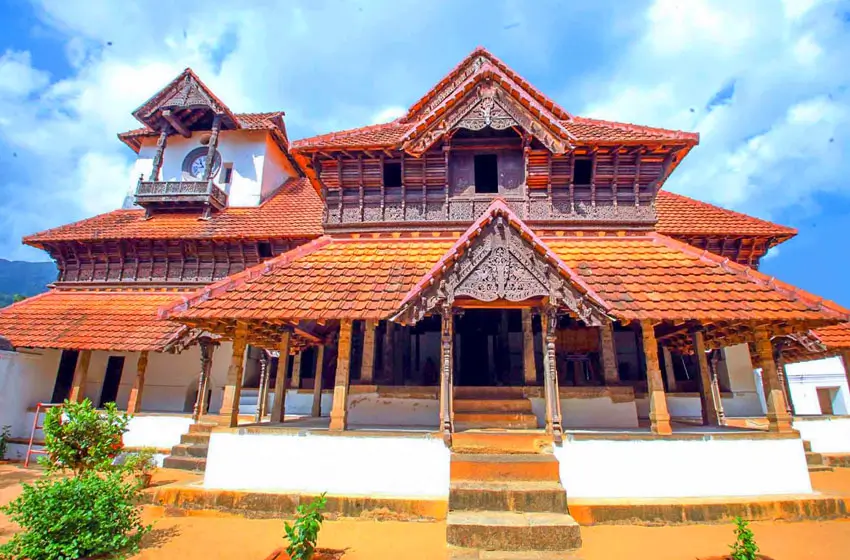
About 22 miles (35 km) from Kanyakumari, on the way to Trivandrum, Padmanabhapuram Palace was the seat of the rulers of Travancore until the late 18th century. It is one of the finest examples of traditional Kerala wooden architecture anywhere. Though it lies in Tamil Nadu, the palace is owned and managed by the Kerala government. Inside you'll find polished black floors made with a mix that included egg white and burnt coconut shell, rosewood and teak carvings, mica windows, 18th-century murals, and a large dance hall. Visitors walk barefoot through room after room of dark, cool wood. The palace is closed on Mondays, and photography inside is restricted. It's easy to combine with your drive between Kerala and Kanyakumari.
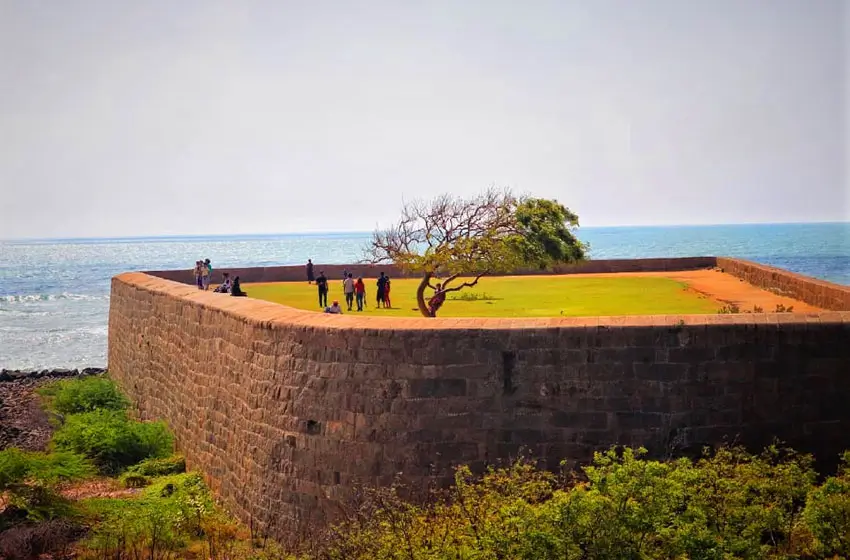
Vattakottai Fort, about 4 miles (7 km) north of town, is a small 18th-century granite fort built by the Travancore kingdom right on the seashore. Its name means "circular fort," although the plan is actually square. Walk along the ramparts for views of the coastline on one side and green fields and the hills of the Western Ghats on the other. It's quiet and rarely crowded, and the nearby beach is clean and pretty, though not for swimming.
Like what you see? Let's plan it for you.
Private car, driver and hotels arranged around your dates. Reply within 24 hours.
Getting there
Kanyakumari sits at the southern tip of India, close to the Kerala border.
Trivandrum International Airport, about 56 miles (90 km) away and about 2.5 hours by road, with flights to the Gulf, Colombo, Singapore, and major Indian cities
Kanyakumari Station, with trains to Trivandrum, Madurai, Chennai, and long-distance routes across India
About 2.5 hours from Trivandrum, 2 hours from Kovalam, and 4 hours from Madurai by highway
Tours that include Kanyakumari
Explore more
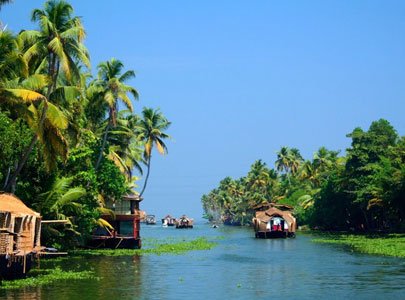
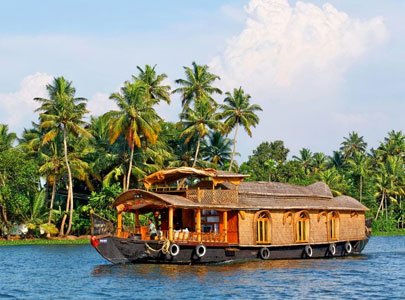
Kerala Backwaters Escape Kerala Backwaters Escape
 Kerala Backwaters Escape
 Kerala Backwaters Escape
 Kerala Backwaters Escape
N.S. Rathore & Mrs. Omlata Rathore · Managing Director
We still read every enquiry ourselves. Tell us the places you liked and our planners will send a day-by-day route with drive times and a clear price.
No ready-made packages and no pressure to book. A planner from our Kochi office replies within 24 hours with a route written for your group.
Fill this in and your planner will send a first draft itinerary.